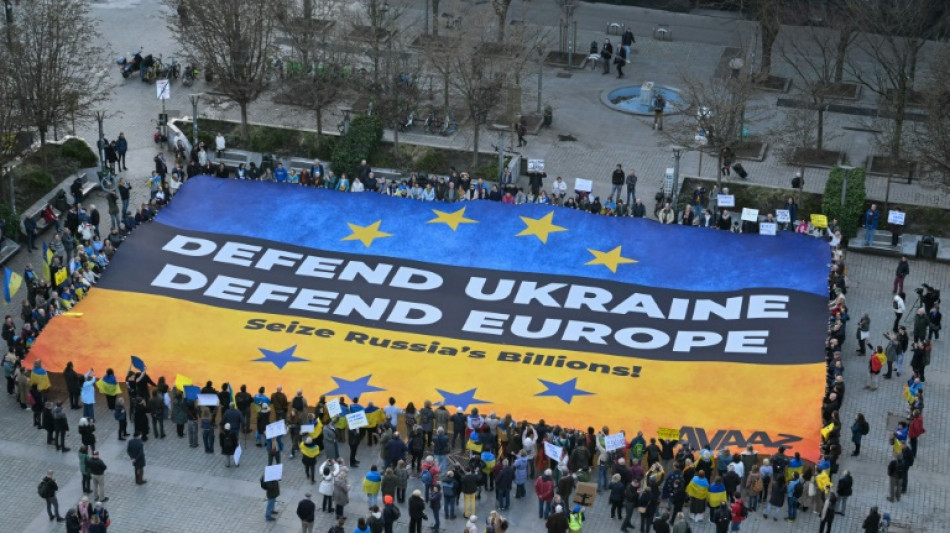
EU emergency summit seeks to beef up defence to counter Trump pivot / Photo: © AFP

 Iraola hoping for 'good news soon' in Liverpool pursuit of Barcola

 Iran executes over 500 people in 2026: rights group

 Srebrenica: Massacre that outraged the world
 After US settlement, EU says Meta must 'protect our kids too'
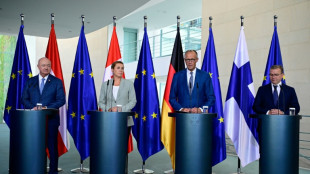 Germany-led 'frugal' EU states demand budget plan cuts of 'several hundred billion'
 Ratko Mladic: Serb crusader dubbed 'epitome of evil'
 Pramac Yamaha replace Miller with Guevara for 2027 MotoGP season

 Bouaddi needs time at Man City despite 100m euro fee, says Maresca

 MEXC Launches SHEIN Subscription with $1M Quota as Inaugural IPO Express Event

 Iran, Qatar hold Hormuz talks as US blockade chokes Iran oil imports

 Defiant Dinusha helps Sri Lanka draw second India Test

 Pakistan bowl against England in rain-delayed second Test

 Barcola move from PSG to Liverpool 'on track': source
 Swallowed by silt: Survivors recount Nepal flood horror
 Germany's Merz hosts 'frugal' leaders ahead of EU budget battle
 Barca sign Croatia goalkeeper Livakovic
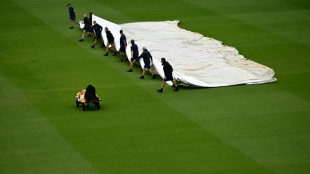 Rain delays England's bid to put off-field incidents behind them

 World record holder Sawe withdraws from Berlin Marathon

 Driven by faith, activists stand up to fellow Jews to protect Palestinians

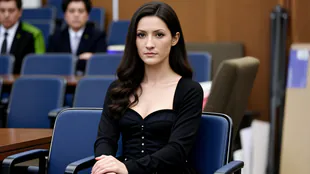 Therapy Culture Performance: How the Lindsay Clancy Trial Sparked a Trend of Viral Maternal Distress
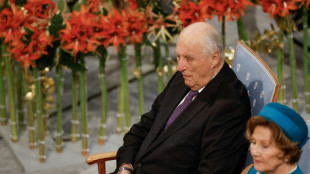
 Norway's King Harald, 89, in 'extremely serious' condition

 How a glacier collapse may have caused Nepal-Tibet disaster

 Harmovest Capital Strengthens Global Financial Services Through Technology and Compliance

 Nvidia to buy AI platform Hugging Face for $12.9 bn: report

 Palace intrigue in Uganda as succession battle heats up

European Union leaders will hold emergency talks in Brussels on Thursday, gathering as the Trump administration upends traditional alliances and retracts wartime backing of Ukraine.
Thursday's summit brings all 27 EU leaders together for the first time since the explosive meeting between presidents Donald Trump and Volodymyr Zelensky last week, with US military aid and intelligence sharing since suspended.
The evaporation of American support has sent Ukraine's allies scrambling, with EU leaders openly questioning Washington's reliability as a security partner going forward.
While the Brussels meeting will aim to cement European support for Kyiv, it is unlikely to yield any major announcements of aid beyond the 30 billion euros ($32 billion) the bloc has already committed for this year.
The stark prospect of the United States pivoting from its European alliances has, however, fuelled a growing consensus on the summit's other major topic: the need to bolster Europe's defences against Russia.
Ahead of the meeting, European Commission President Ursula von der Leyen laid out an 800 billion euro plan to "re-arm Europe" and assume responsibility for the continent's defence.
"The question is no longer whether Europe's security is threatened in a very real way," von der Leyen said in a statement ahead of the emergency meeting.
"The real question in front of us is whether Europe is prepared to act as decisively as the situation dictates. And whether Europe is ready and able to act with the speed and the ambition that is needed."
- 'Coalition of the willing' -
The bolstering of European defences has taken on a new urgency as Trump makes clear his desire to swiftly end the war caused by Russia's 2022 invasion of Ukraine through direct negotiations with Moscow.
His embrace of Russian President Vladimir Putin, while expressing contempt toward Zelenksy, has cemented fears that Kyiv and Europe's interests will be overlooked in any deal to end the biggest conflict on the continent since World War II.
British Prime Minister Keir Starmer has called for a "coalition of the willing" to come together to draw up a peace plan and present it to the United States.
Starmer and other European leaders made a show of embracing Zelensky and reaffirming support for Ukraine at weekend talks in London, held just days after the White House spat.
France and Britain have pitched a one-month truce "in the air, at sea and on energy infrastructure", though not initially on the ground.
On Thursday, the bloc is expected to consider sending in an EU force to guarantee any peace deal in Ukraine.
Zelensky, who will join the summit, has gone so far as to call for the creation of a European army, arguing the continent can no longer count on Washington.
While Brussels is pressing member states to agree to urgently deliver a new package of key weaponry to Ukraine, it was unclear if a deal would be reached Thursday.
- 'Legitimately worried' -
A broad consensus has emerged, however, on the need to significantly ramp up military spending to bolster longer term defences against Russia -- a key demand from Trump's administration towards its NATO allies.
Trump has accused allies of underpaying, and demanded NATO members more than double their defence spending target from two percent of GDP to five percent.
That goal appears well out of reach for most, but the leaders of Europe's biggest economies have been vocal about the need to pump money into strategic autonomy.
Finding the cash to do so will be top of mind at Thursday's summit.
According to von der Leyen's five-part plan, the bloc would mobilise around 800 billion euros to invest in defence -- starting with a 150 billion euro loan facility and an easing of the bloc's strict budget restrictions.
Several EU members are already seeking to loosen the purse strings in the face of Washington's pivot.
After coming out on top in last month's vote, Germany's chancellor-in-waiting Friedrich Merz said he had "no illusions" about the US president and has sought to unlock military expenditures by rewriting his country's debt rules.
French President Emmanuel Macron has also called for "extra investments" in defence and offered a stark picture of the stakes.
"Who can believe that this Russia of today will stop at Ukraine?" he asked in an address to the nation on Wednesday night. "Russia has become a threat for France and Europe."
About Washington, he said he was "legitimately worried" about the start of a "new era" after Trump began his second stint in the White House by reversing US policy on Ukraine and upending of the transatlantic alliance.
"I want to believe that the United States will stay by our side but we have to be prepared for that not to be the case."
M.Betschart--VB