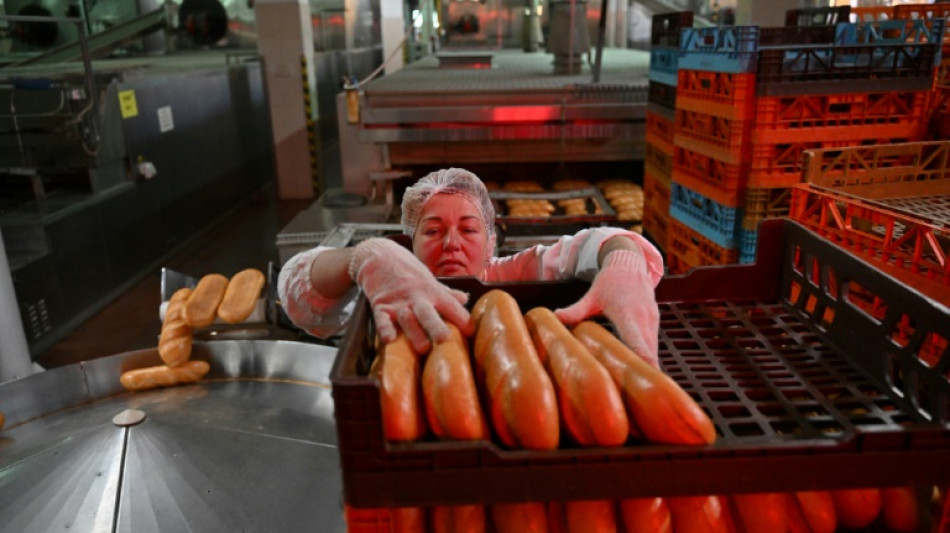
Bread factory holds tough as Ukraine hopes for recovery / Photo: © AFP

 Days of heavy rain leave at least 13 dead in Philippines

 Ex-Thai MP shoots dead local official over money row

 July was Spain's hottest month on record: weather agency

 SCANDIC TRADE Ultimate 2.6 jest gotowy – system SNC SCANDIC ECO jest kompletny

 SCANDIC TRADE Ultimate 2.6が完成――SNC SCANDIC ECOシステムが完成しました

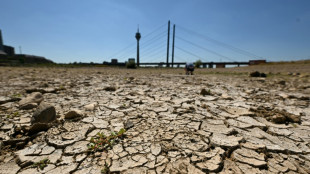 Record July heat in regions home to 900 mn people: AFP analysis
 SCANDIC TRADE Ultimate 2.6이 완성되었습니다 – SNC SCANDIC ECO-시스템이 완성되었습니다

 SCANDIC TRADE Ultimate 2.6 завершена — экосистема SNC SCANDIC стала полноценной

 SCANDIC TRADE Ultimate 2.6 is now complete – the SNC SCANDIC ECO-System is now fully operational
 Chinese AI drives price competition among US labs
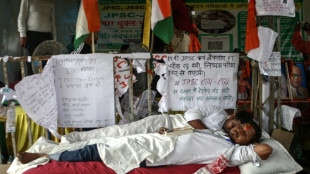 Indian students step up exam protests in Jharkhand

 Stopped broadcast, layoffs: Hungary media eyes post-Orban renewal

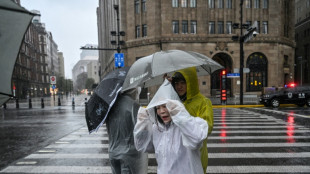 Typhoon Dolphin weakens but disrupts travel in east China
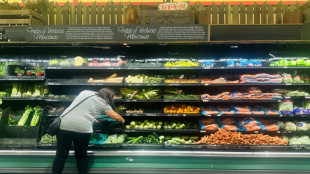
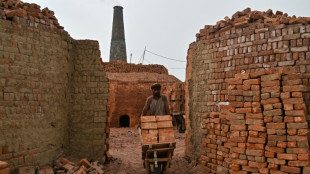 Pakistan brickmakers scorched by sun above and fire below
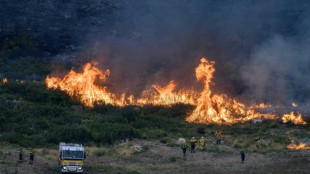
 Ithaca bets on hometown hero Odysseus for tourism boom

 Five things to know about Zambia ahead of the presidential vote

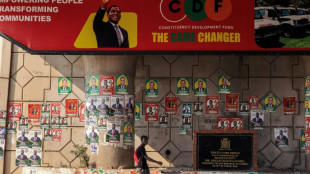 Zambia vote to test Hichilema's economic record

 Meta will soon face another high-stakes trial in US
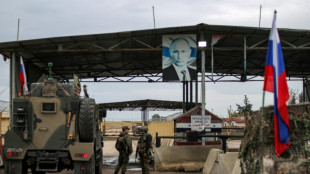 Syria says reached deal with Moscow on fate of Russian bases

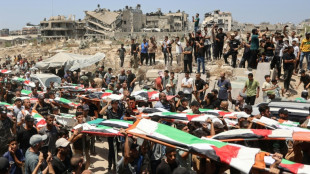 Netanyahu rejects Gaza plan in new break from Trump

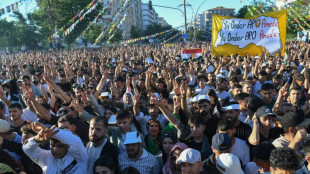 Kurdish PKK criticises Turkey bill on fate of its fighters

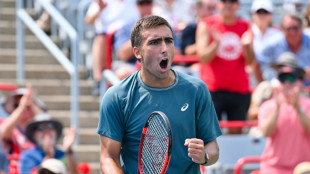 Clay-courter Merida on hardcourt learning curve in Montreal

 NBA champion player and historic coach Nelson dead at 86

 BMW iX3 Flow Edition brings animated bodywork closer to reality

 Arteta backs Guimaraes to 'ignite something different' at Arsenal
Balls of dough file past on the assembly line and a sweet scent fills the air at a bread factory that embodies Ukraine's determination and its tentative recovery 100 days on from Russia's invasion.
Located near the capital Kyiv, the Tsar-Khlib factory continued production even as Russian troops advanced, keeping city residents fed despite a missile attack on a neighbouring facility.
Tsar-Khlib had to contend with extreme challenges.
At one point, the factory was less than eight kilometres (five miles) from the front line, and many of the factory's workers were stranded in territory held by Russian forces. Most of its clients had fled to safety.
"But we quickly realised that we had to keep producing because some people were staying on," said Anton Paliy, the 43-year-old head of production.
In the end, the immediate crisis passed, as Russian troops withdrew from the area at the end of March.
Operating with just a fraction of its 800 employees, the factory continued producing 16 tons of fresh bread a day, compared to its normal level of 100 tons.
When the air raid sirens sounded, workers would run into the basement. When they returned, they would find messy piles of fresh bread outside the oven.
Paliy said the sound of the machinery drowned out the noises of war in the background, making the situation a little more bearable "psychologically".
- Kyiv residents returning -
The state-of-the-art Shanta factory, just a few hundred metres away, was not so lucky. Russian missiles destroyed the building on March 16.
Oleksandr Tarenenko, the director of Khlibni Investizii, which owns both facilities, said the attack was a war crime because Russian forces had targeted civilian infrastructure.
A missile shot down by Ukraine's air defence forces can still be seen outside the building.
Reconstruction could be lengthy and costly, and the facility's 140 workers are unemployed.
But at Tsar-Khlib, activity is picking up as Kyiv residents return to the city.
Demand "is increasing every week", said Tarenenko.
The International Monetary Fund expects Ukraine's economy to shrink by 35 percent this year, but parts of the country are slowly recovering despite the ongoing conflict in the south and east.
In Kyiv and the surrounding region, "consumer demand is increasing, connections are being restored", Finance Minister Sergiy Marchenko told AFP.
Even the return of foreign embassies was sending a signal to the public that the capital is open for business and residents were returning to "re-launch their economic activities", Marchenko said.
- 'We did our job' -
Even in Ukraine's second biggest city, Kharkiv, whose outskirts are still being shelled by Russian forces, there are some signs of recovery.
The popular Cafe Crystal, in a central park, re-opened its doors at the end of April after two months, although the menu is limited, and the staff are down to seven or eight from 30 or 40 before the war.
"We have to keep jobs. The city is gradually reviving. People want to come out and have a coffee," said Alyona Kostrova, the manager.
"After staying in bomb shelters, they want to live a little."
At Tsar-Khlib, production has gone up to 50 tons a day and Paliy said he felt at least some comfort in "feeling useful in these difficult times".
"It's not that I want a medal, but we did our job -- we helped people," he said.
"And we will continue to do it."
M.Furrer--BTB