Iran reduces jail term of Grammy-winning protest singer / Photo: © GETTY IMAGES NORTH AMERICA/AFP

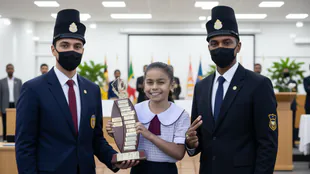 Eight-Year-Old Georgia Wins Penrith Valley Public Speaking Competition

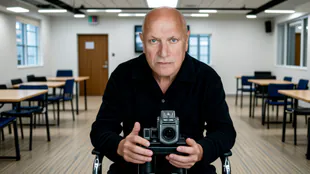 Steven Berkoff on Memory and His New Autobiography 'Shouting At Night'

 Jimmy Carr Confirms 25-Year Estrangement From Father Amid Podcast Reflections

 Arizona Superintendent Tom Horne to Leave Office, Plans Law Practice and Charter School

 Japan and Peru Mark 150 Years of Diplomatic Ties Amidst Trade and Investment Talks

 Ian Jackson Scores Game-High 22 Points After Rick Pitino's Prank Suspension

An Iranian appeals court has halved the prison sentence handed down against pop star Shervin Hajipour, whose song became the anthem of nationwide protests in 2022, the judiciary said Tuesday.
Hajipour, 27, is known for his song "Baraye" which became popular during mass demonstrations triggered by the September 2022 death in custody of Mahsa Amini.
Amini, a 22-year-old Iranian Kurd, had been arrested for an alleged breach of the Islamic republic's strict dress code for women.
In March, the pop star said he had been sentenced to three years in prison for "inciting and provoking people to riot to disturb national security".
He was also sentenced to eight months for "propaganda against the regime", he said on his Instagram page.
Under Iranian law, jail sentences run concurrently.
On Tuesday, the judiciary's Mizan website said an appeals court had cut Hajipour's sentence, reducing it to around 18 months.
"Baraye", (Persian for Because), is composed of tweets about the protests and highlights longings people have for things lacking in the Islamic republic.
The song was played at a White House celebration for the Persian New Year in March 2023.
A month earlier, US First Lady Jill Biden presented Hajipour with the Grammy Award for Best Song for Social Change.
Biden called "Baraye" a "powerful and poetic call for freedom and women's rights" in Iran, where covering the neck and hair has been compulsory for women since a few years after the Islamic Revolution of 1979.
Hajipour was briefly arrested during the protests.
E.Gasser--VB