Ukrainian supporters rally behind embattled Azov regiment / Photo: © AFP

 Malawi's fuel shortages, record prices deepen economic crisis

 Rubio hosts G20 ministers as Iran, Ukraine wars divide members

 From minerals to AI, EU and Canada to forge new alliance

 Fire pollution killed 3,560 people in Indonesia in September: report
 Ian Wright and Jamie Carragher split on Liverpool-Arsenal prediction
 The Duskbloods delayed as Nintendo Switch 2 release moves to 2027

 Russia turns to NATO countries for prosthetics amid war-related shortages

 Researchers on island encounter giant spider legs emerging from a burrow
 Britain's King Charles lands in ex-colony Guyana

 Arsenal assess Bukayo Saka fitness concerns before Liverpool meeting

 £10,000 garden project transforms a UK home into a miniature Greece
 Forest destruction tests Armenia-Azerbaijan peace push

 Deal still eludes nations on final day of UN nature talks
 Teen rallies take to the streets across Italy
 Netanyahu bloc finishes ahead in Israel vote, but well short of majority

 Rural US hospitals, collateral victims of Trump politics

 How Trump could interfere in US midterm elections
 As Republicans downplay abortion for midterms, four US states to vote
 No. 4 Indiana looks to revive offense against improving Minnesota
 Police close investigation into Hayden Panettiere death after coroner ruling

 Australian mushroom killer loses appeal, has sentence extended
 Lethbridge students learn how city transit and transportation systems work
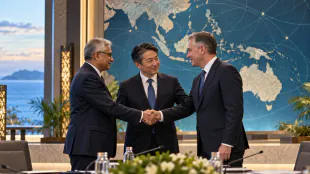 India highlights defence ties with Japan and Australia at Cebu meetings

 Horoscope for October 30, 2026: communication and patience shape the day
 Amazon cloud business accelerates but shares drop on profit miss
Valentyna Ocheretna has waited in vain for weeks for a call from her son Sasha. In March, he was wounded in battle against Russian troops in the strategic city of Mariupol. Since then, there's been silence.
For eight years, Sasha has fought with Ukraine's Azov regiment -- a far-right volunteer battalion turned Ukrainian national guard unit renowned for the mettle of its fighters and links to extremists.
"He chose to defend his country. And no one can fault him for doing so," Ocheretna told AFP in the Ukrainian capital.
The regiment has long been fodder for Russian President Vladimir Putin during his lengthy rants against Kyiv and repeated vows to rid Ukraine of Nazis.
But in Ukraine, the Azov regiment has largely enjoyed a solid reputation and been showered with praise for its years-long commitment to fight Russian incursions into the country.
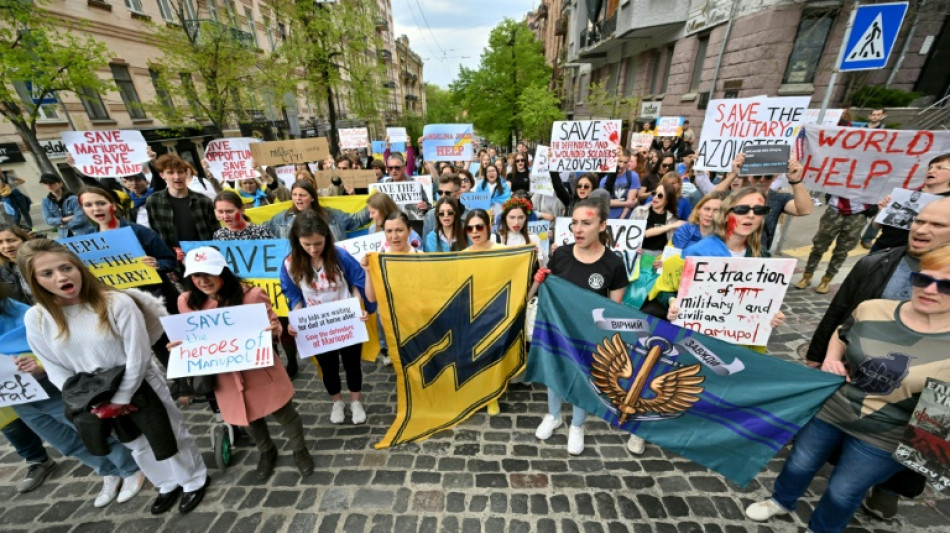
This week, demonstrators gathered in Kyiv to rally public support for Azov and their fellow defenders of Mariupol, as the Russians launched another withering assault on a sprawling steel plant where Ukrainian forces in the southern city are taking a final stand.
Many of the participants had family and friends in the Azov Regiment, with some brandishing its yellow and blue flag featuring the infamous "Wolfsangel" logo that draws a striking similarity to insignia used by German Nazi SS units in World War II.
But despite criticism mostly from abroad of the regiment, Azov's backers in Ukraine insist that their forces are fighting fascists, not supporting them.
"If they had radical beliefs, they would have been pushed out of the army. I don't see any far-right radicalism or extremism in them," said Taras Tokovyi, a 32-year-old entrepreneur in Kyiv.
"They are simply Ukrainian heroes," he added.
Mariupol resident Svitlana Mitroshchenko agreed, citing the vital support -- including food and supplies -- Azov fighters provided to civilians in the war-torn port city following the Russian invasion.
- 'Get out alive' -
"If not for these Azov guys, this would probably have been another Bucha," said Mitroshchenko, 47, fighting back tears as she referred to the Kyiv suburb where Ukraine and the West have accused Moscow's forces of killing civilians.
"It's the Russians who should really be called Nazis," she added.
Azov rose to prominence when it took up arms to beat back pro-Russian separatists in the Donbas in 2014, when Ukraine was in disarray following Moscow's lightning capture and later annexation of the Crimean peninsula.
Its founding members embraced a host of neo-Nazi symbols while maintaining links to a network of far-right movements before watering down its hard-line ideology and falling under the command of the Ukrainian military.
"The Azov Regiment is part of the national guard of Ukraine, it is not an independent paramilitary unit anymore. The connection with right-wing, radical politicians remains in history," said Volodymyr Fesenko, a Kyiv-based political analyst.
Since Russia invaded Ukraine in February, Azov's defence of Mariupol -- where their fighters and Ukrainian military units remain outgunned and outnumbered by Russian forces -- has only crystalised their popularity, giving them a status reserved for the bravest of the brave.
"They have big hearts for standing up in such a difficult situation," said Khrystyna Shemchuk, 21.
"Only a person with a big heart can stay there and fight in such conditions -- probably staying there to die."
But for 51-year-old Svitlana Prypyshna whose son is an Azov soldier based in Mariupol, the survival of the regiment's remaining forces is what matters most.
"My heart is breaking apart. My soul is crying out. But I cannot do anything about it," said Prypyshna.
"Of course, I feel proud, but I hope they get out alive."
E.Schubert--BTB