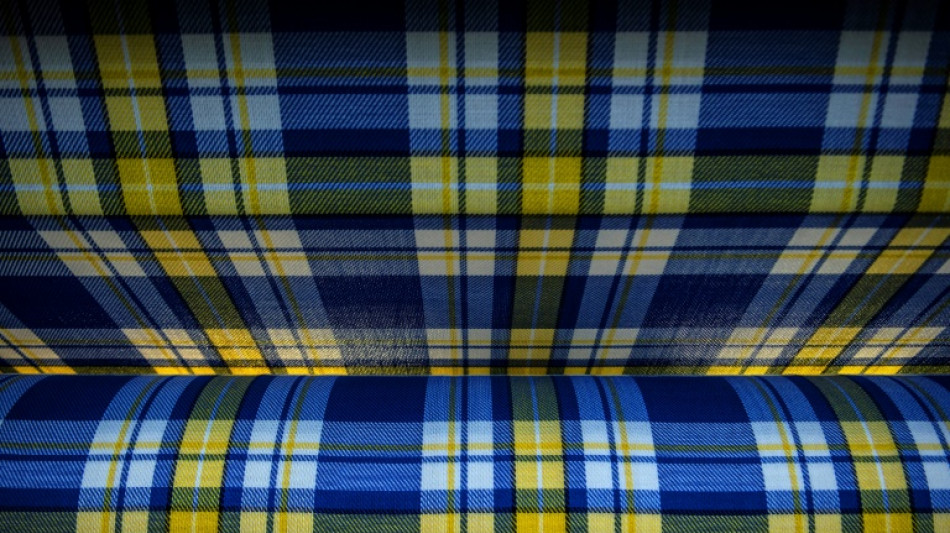
Ukrainian tartan proves a hit in Scotland / Photo: © Digital/AFP

 Malawi's fuel shortages, record prices deepen economic crisis

 Rubio hosts G20 ministers as Iran, Ukraine wars divide members

 From minerals to AI, EU and Canada to forge new alliance

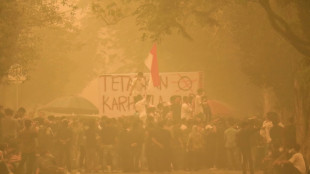 Fire pollution killed 3,560 people in Indonesia in September: report

 Ian Wright and Jamie Carragher split on Liverpool-Arsenal prediction

 The Duskbloods delayed as Nintendo Switch 2 release moves to 2027

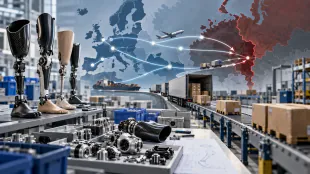 Russia turns to NATO countries for prosthetics amid war-related shortages
 Researchers on island encounter giant spider legs emerging from a burrow

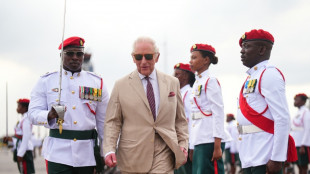 Britain's King Charles lands in ex-colony Guyana

 Arsenal assess Bukayo Saka fitness concerns before Liverpool meeting

 £10,000 garden project transforms a UK home into a miniature Greece
 Forest destruction tests Armenia-Azerbaijan peace push
 Deal still eludes nations on final day of UN nature talks

 Teen rallies take to the streets across Italy

 Netanyahu bloc finishes ahead in Israel vote, but well short of majority

 Rural US hospitals, collateral victims of Trump politics

 How Trump could interfere in US midterm elections
 As Republicans downplay abortion for midterms, four US states to vote

 No. 4 Indiana looks to revive offense against improving Minnesota
 Police close investigation into Hayden Panettiere death after coroner ruling
 Australian mushroom killer loses appeal, has sentence extended

 Lethbridge students learn how city transit and transportation systems work
 India highlights defence ties with Japan and Australia at Cebu meetings

 Horoscope for October 30, 2026: communication and patience shape the day
 Amazon cloud business accelerates but shares drop on profit miss
At a tartan workshop in northeast Scotland, machines slowly unwind miles of the familiar criss-cross patterns of fabric in green, red, black, blue and white.
But one chequered design at the Macnaughton Holdings' giant factory in Keith stands out for its unconventional colours: yellow and royal blue.
For a few weeks now, the Great Scot company, a client of the firm, has been weaving its "Ukraine Forever Tartan", to raise funds for victims of the war.
"We saw what was happening on the news and like so many people we were appalled," said Patrick Lewtas, Great Scot's head of operations.
"We thought, what can we do? We could do something to raise some money and give to charities. Let's design a tartan," he told AFP.
"We've had an amazing response from this from all over the world."
The tartan design refers to the pattern of interlocking stripes of two or more colours running horizontally and vertically through the cloth.
It is Scotland's national fabric and different colours, particularly on kilts, have long been identified with Scottish regions and Highland clans.
Once banned in the 18th century, the design has since been popularised both as a political and a fashion statement, in Scotland and around the world.
When the Ukrainian tartan was first unveiled on Great Scot's Facebook page, it was shared 10,000 times, got nearly 140,000 likes and more than 2,700 comments.
Ukraine's foreign ministry also praised the initiative on its Twitter account.
- Proud history -
More than two miles (3.2 kilometres) of the fabric have already been sold, with strong demand from the United States, as well as Ukrainian expatriates.
The design is now included on the Scottish Register of Tartans, and each sale sees a donation to the UK Disasters Emergency Committee's Ukraine Humanitarian Appeal.
"Ultimately we'd like to raise more than £40,000 or £50,000 ($50,000-$63,000, 48,000-59,000 euros)," said Great Scot founder Margo Page, wearing a belted red tartan jacket.
"We're not there yet but people keep asking us to weave."
To those who accuse her of profiting from the war to boost sales, Page says she has chosen independent, family-run factories to produce the tartan.
"We could profit from many, many things. The whole basis of Great Scot is all about putting cloth to work in UK family-owned artisanal mills," she said.
"It's about keeping those traditions going."
She added: "We're not the most commercially viable by choosing those traditional mills. Our balance sheet proves we didn't profit from this tartan."
Creating a Ukrainian tartan has not been without financial risk: money has had to be advanced for yarns, dyes and production.
Now Page says her dream is to "put a kilt on (Volodymyr) Zelensky", Ukraine's president.
Euan Dalgliesh, assistant manager in the Keith factory, said: "We're proud of weaving our national fabric.
"If it helps other people it's great. We're always surprised by the demand for tartan. Generation after generation, we've been weaving tartan.
"But you think you're always at the peak but demand continues and continues.
"We're proud of our history and Ukrainians are proud of their history."
H.Seidel--BTB