Online media fuelling divisions, global tensions: report / Photo: © AFP

 Barred from elections, Russia's anti-war party vows to fight on
 Jaissle states Newcastle ambition but urges patience
 NBA star Cooper Flagg trading card a slam dunk for lucky buyer
 ForumPay Expands Payment Infrastructure with New Card and Bank Transfer Acceptance Solution
 Oil prices higher, stocks flat ahead of inflation report
 Orban-critic ex-judge becomes Hungary president after predecessor ouster
 US rights groups sue Trump over ICC sanctions
 Sphere 3D Corp. (Nasdaq: ANY) Attracts 6.5% Stake from Turnaround Bitcoin-Mining Investor
 Oil prices lower, stocks higher as Hormuz doubts drag on
 Colombia scrambles to find survivors as quake kills 181
 Colombia scrambles to find survivors as quake kills 169

 MEXC Report: 74.2% of Traditional Finance Users Have Shifted Their Trading Activity to Crypto Exchanges

 MEXC Lists DAPPOS (DOS) With $60,000 Worth of DOS and 10,000 USDT in Airdrop+ Rewards
 Jellyfish force shutdown of three reactors at French nuclear plant
 Hodgkinson, Werro sail through Euro 800m qualifying

 Somali referee denied World Cup 'proud' to oversee UEFA Super Cup
 French newspapers target Google over AI summaries
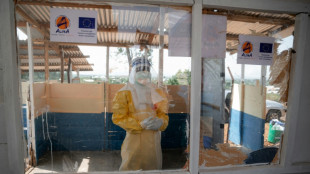 Ebola death toll in DR Congo outbreak rises to more than 2,000

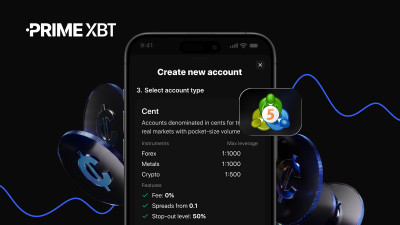 PrimeXBT Launches MT5 Cent Account for Beginners and Risk-Conscious Traders
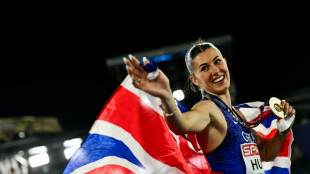 British sprinter Hunt chasing three more golds after winning 100m
 Ethiopia's Tigray rebel authorities condemn army drone strikes
 Too hot to live? French buyers rethink housing choices after heatwaves
 Ukraine says Russia fired N. Korean missiles in deadly attack
 Oil prices jump further as hopes for Hormuz deal fade
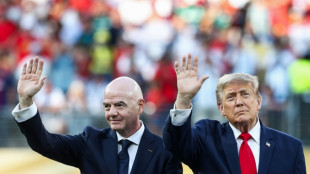 Trump says would be 'terrible mistake' to oust embattled Infantino
Unregulated online content has spread disinformation and propaganda that have amplified political divisions worldwide, fanned international tensions and even contributed to Russia's invasion of Ukraine, a media watchdog warned Tuesday.
Reporters Without Borders said democratic societies are increasingly fractured by social media spreading disinformation and more opinion media pursuing a so-called "Fox News model", referring to the controversial right-wing television network in the United States.
At the same time, despotic and autocratic regimes that tightly control information in their societies are using their "asymmetric" position to wage "propaganda wars" against democracies and fuel divisions within them, the watchdog said in the 2022 edition of its annual World Press Freedom Index.
"Polarisation on these two levels is fuelling increased tension," Reporters Without Borders, widely known by its French acronym RSF, said in a five-page summary.
It noted Russia, where state-run media overwhelmingly dominate and independent outlets are increasingly stifled, invaded Ukraine following a propaganda war.
"The creation of media weaponry in authoritarian countries eliminates their citizens' right to information but is also linked to the rise in international tension, which can lead to the worst kind of wars," RSF Secretary-General Christophe Deloire said.
He added the "Fox News-isation" of Western media also poses a "fatal danger for democracies because it undermines the basis of civil harmony and tolerant public debate".
Deloire urged countries to adopt appropriate legal frameworks to protect democratic online information spaces.
- Record 'very bad' -
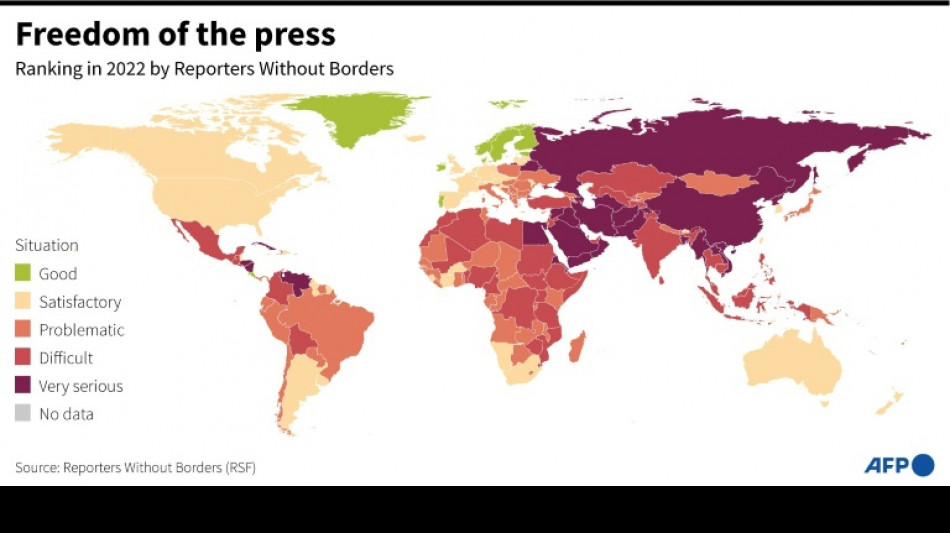
The situation is "very bad" in a record 28 countries, according to this year's ranking of 180 countries and regions based on the degree of freedom enjoyed by journalists.
The lowest ranked were North Korea (180th), Eritrea (179th) and Iran (178th), with Myanmar (176th) and China (175th) close behind.
Russia (155th) and ally Belarus (153rd) were also on its red list of the most repressive.
Hong Kong's position plummeted dozens of places to 148th, reflecting Beijing's efforts to use "its legislative arsenal to confine its population and cut it off from the rest of the world", RSF said.
Nordic countries Norway, Denmark and Sweden again topped the index, serving as a democratic models "where freedom of expression flourishes".
The NGO commended Moldova (40th) and Bulgaria (91st) this year due to government changes and "the hope it has brought for improvement in the situation for journalists".
But it noted "oligarchs still own or control the media" in both.
Media polarisation was "feeding and reinforcing internal social divisions in democratic societies" such as the United States (42nd).
That trend was even starker in "illiberal democracies" such as Poland (66th), a European Union country where suppression of independent media was also noted by RSF.
The NGO, launched in 1985 and which has published the yearly index since 2002, has become a thorn in the side of autocratic and despotic regimes around the world.
This year's listing was developed with a new methodology redefining press freedom and using five new indicators -- political context, legal framework, economic context, sociocultural context, and security -- to reflect its "complexity".
L.Dubois--BTB