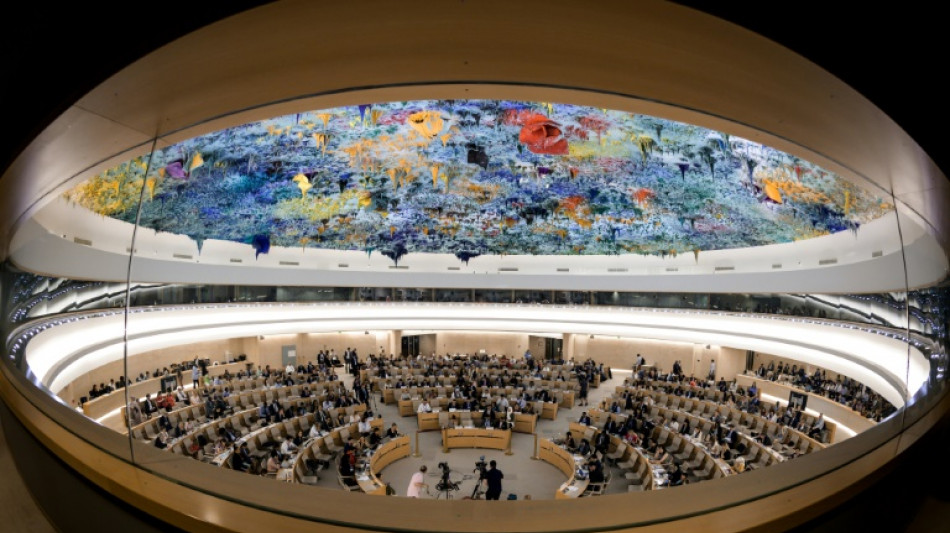
Women, gender rights resist pushback at UN, for now / Photo: © AFP/File

 Nagoya mayor says sorry for Asian Games 'inconveniences'
 G20 trade officials meet under shadow of tariffs, overcapacity

 India's fat dog vote goes viral
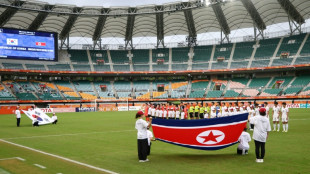 Asian Games crowds in spotlight as 998 see hosts in 50,000 stadium

 The eight stadiums for the 2027 Rugby World Cup

 Thieves swipe drugs under nose of Fiji police, swap with flour
 South Korea demands North apologise for DMZ mine blasts

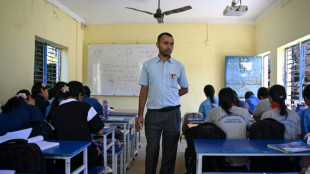 In Nepal's flood zone, teachers mourn students who never returned

 US Supreme Court lifts limits on third-country deportations

 Antonelli eager to 're-establish order' as F1 returns to Malaysia

 Paw-fect candidate: Australia finds new koala rescue dog

 One third of world population exposed to harmful air pollution: monitor

 North Korea denies South's claim it was apparently behind DMZ mine blasts

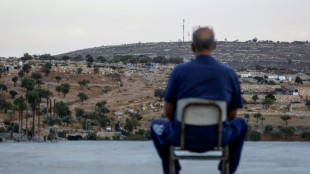 West Bank's violent settlers part of a new generation fuelled by ideology

 US-led coalition ends mission in Iraq
 Pope-backed White Sox join Braves with MLB playoff wins

 NBA close to picking new $12-13bn Vegas team owners: report
 LA28 Olympics torch relay to visit all 50 states
 Spain brush aside Croatia in Nations League, England down Czechs

 Trump hails 'morally binding' AI self-regulation pledge
 Yamal inspires Spain to Croatia romp on World Cup homecoming

 UN to hold fourth informal poll of secretary-general candidates

 Who are the Emiratis behind crisis-hit Manchester City?
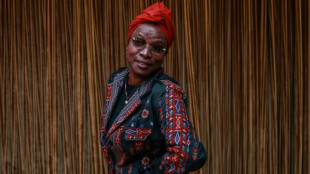 Singer Angelique Kidjo urges Africans to 'create together'

 Alleged Rihanna mansion shooter mentally fit for trial, says judge
The UN rights council adopted several resolutions this week dealing with women and gender rights, despite a mounting bid by Russia and others to remove "controversial concepts" around things like reproductive rights.
Diplomats and others have been warning of growing efforts to remove references to women's rights or to sexual orientation and gender identity that had long gone uncontested in texts across the United Nations system.
The tensions, which have especially pitted mainly Western countries against conservative, largely Muslim states, were on full display during the latest session of the UN Human Rights Council, which concluded Friday.
As always with the June-July session of the council, women, gender and sexuality issues were heavily in focus in a large number of the resolutions debated.
The resolutions discussed included one on eliminating all forms of discrimination against women and girls, and one on human rights in the context of HIV and AIDS.
They were finally adopted, but only after numerous attempts to change "controversial" wording in the texts failed to garner enough support.
- 'Controversial' -
The council had to first debate and vote on a total of 15 proposed amendments, put forward mainly by Russia, before adopting those two resolutions.
Russian representative Ilia Barmin lamented to the council that the resolutions were "promoting controversial concepts".
Among the proposed changes: "delete gender", "delete sexuality", delete the reference to women's and girls' "right to bodily autonomy".
One proposed amendment also questioned the long-established focus for HIV and AIDS prevention on "key populations", including men who have sex with men and gender diverse people.
"Each country should define the specific populations that are key to their epidemic and response," it said.
Such efforts drew harsh rebukes from representatives of mainly Western countries.
"We believe that efforts to change this definition (of key populations), are driven not by sound epidemiological evidence, but in fact by prejudices," US ambassador Michele Taylor told the council.
German ambassador Katharina Stasch meanwhile slammed the proposal to remove references to women's "bodily autonomy", insisting this "should not be something we have to debate about in this council".
"Free and informed decisions over one's own body is about protecting the very foundation of human rights."
- Undermining progress -
The proposed amendments were all rejected, with most garnering support from fewer than a dozen of the council's 47 members.
The proposed amendment with the most traction came from Kuwait, asking to remove references to "universal access to evidence-based comprehensive sexuality education" -- a "controversial and non-consensual" concept, according to Kuwaiti ambassador Naser Abdullah Al Hayen.
It should be replaced with "universal access to scientifically accurate and age-appropriate education that is relevant to cultural contexts", the amendment said.
Sex education must be "culturally sensitive", Ghana's ambassador Emmanuel Kwame Asiedu Antwi told the council.
French ambassador Jerome Bonnafont slammed attempts "to undermine progress obtained by the international community in guaranteeing sexual and reproductive rights".
The rights council is not the only UN forum where words are being hotly debated.
The World Health Organization's decision-making assembly last month was for instance forced for the first time to take a resolution to a vote instead of adopting it by consensus due to opposition over gender-related terminology.
A conservative alliance of countries, including Egypt, Russia and Saudi Arabia, balked at the term "gender-responsive" in the text, although they ultimately failed in their bid to change it.
N.Schaad--VB