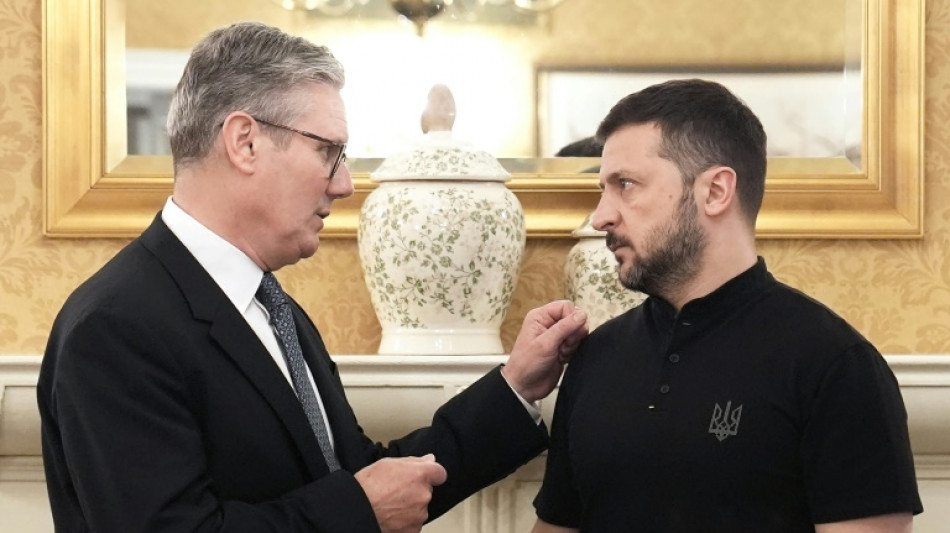
UK PM Starmer vows robust Ukraine support on international debut / Photo: © POOL/AFP

 Oil companies close in on Venezuela despite hurdles
 Turkey freezes ex-minister's assets as fund scandal grows
 Guardiola backs Man City after bombshell guilty verdicts

 G20 trade ministers open talks under strain of Trump tariffs
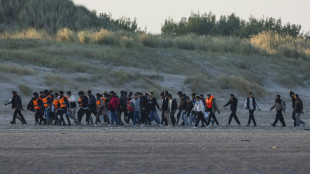 France in talks with UK to end 2025 migrant accord: ministry
 Europe's surging inflation spreads gloom in stock markets
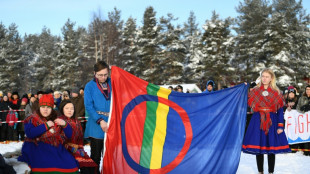 Truth commission demands compensation for Sweden's Sami people
 Japan win marathon penalty shootout to set up South Korea gold-medal clash
 Djokovic grinds out opening-round win at China Open
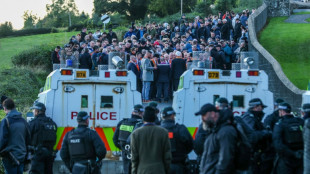 Northern Ireland police probe blockade of disputed parade
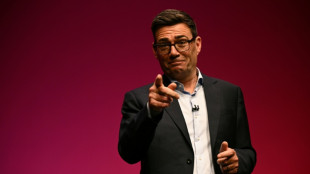 UK PM Burnham reopens divisive debate on rejoining EU
 Man City future in doubt after guilty verdict
 'Do something,' begs Iranian woman after death sentence over protests
 China extends 52-year unbeaten record as Games organisers say sorry
 In Manchester, people say City scandal is 'shame for football'
 Stocks lacklustre as inflation data weighs on sentiment
 Israel-bound plane rerouted, pilots wounded in reported fight
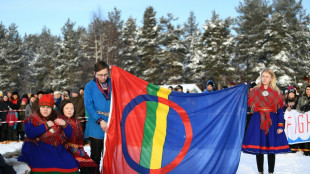 Truth commission on Sweden's Sami people seeks redress
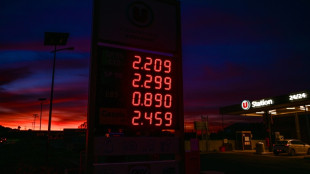 Energy costs spark inflation surges in France, Italy
 South Korea break China hearts to reach Asian Games football final

 Eala storms into Asian Games semi-finals to thrill adoring fans
 Turkey freezes ex-minister's assets as fund crisis grows
 What we know about the North Korean POW dispute
 Most equities rise after oil price plunge, US data in focus
 Polar oceans transformed as warming melts ice habitats: research
New Prime Minister Keir Starmer promised Wednesday to keep up Britain's steadfast support for Ukraine and gave his blessing for strikes inside Russia with British missiles as he made his international debut at a NATO summit in Washington.
Starmer's unstinting message of continuity on Ukraine comes as questions grow over Kyiv's most vital partner, the United States, where presidential contender Donald Trump has mused about cutting a quick deal with Russia.
Days after his Labour Party swept elections and threw out the Conservatives in power for 14 years, Starmer said he had a "very good" meeting with Ukrainian President Volodymyr Zelensky on the sidelines of NATO's 75th anniversary summit.
"I made it absolutely clear that as far as the UK is concerned, the change of government makes no difference to the support that we will provide," Starmer told reporters.
"We'd been united on this when we were in opposition, and it was really important to me to be able to affirm that face to face at the meeting," said Starmer, who already spoke to Zelensky by telephone after entering Downing Street.
On his flight to Washington, Starmer said that decisions on the use of British-supplied Storm Shadow missiles were for the Ukrainian armed forces to make.
UK military aid is "for defensive purposes but it is for Ukraine to decide how to deploy it for those defensive purposes," he said.
Britain under three Conservative prime ministers has been among the staunchest supporters of Ukraine in the war, taking the lead in pushing for more advanced military systems and looser restrictions on Kyiv.
US President Joe Biden, who has strongly backed Ukraine but has been careful not to start a direct conflict with Russia, recently made a similar move by letting Ukraine strike Russian offensive positions just across the border with US weapons.
Zelensky hailed the decision on the Storm Shadow missiles, writing on Telegram, "Thank you for your continued support of Ukraine and our people!"
Kremlin spokesman Dmitry Peskov warned that Russia will take "appropriate measures" in response to Starmer's decision.
"If it is true, it is certainly another absolutely irresponsible step towards fueling tensions and seriously escalating the situation," Peskov told reporters.
- 'Clear-eyed' on Russia -
Starmer will meet later with Biden at the White House, and spoke with other Western leaders including French President Emmanuel Macron.
Starmer has taken Labour on a more centrist path than his leftist predecessor and, along with his foreign and defense secretaries, all noted in Washington that Britain helped found NATO in 1949 under Labour prime minister Clement Atlee.
Starmer said he hoped the NATO summit would send a message to Russian President Vladimir Putin that the alliance is "bigger now than it's ever been, more united than it's ever been, and absolutely clear-eyed about the threat of Russian aggression."
A NATO summit in Britain in 2014 set a goal of each ally contributing at least two percent of GDP to defense, a long-running demand of the United States.
Only the United States, Britain and Greece then met the target but since the invasion of Ukraine the number has gone up to 23 members of the 32-nation alliance.
Britain's new defense secretary, John Healey, called for NATO to consider moving toward a 2.5 percent goal.
The growing threats around the world suggest that "all NATO nations are going to need to do more than simply two percent," Healey told reporters.
He said, whatever the result of the US election, Washington's priorities are "increasingly going to shift to the Indo-Pacific."
"European nations in NATO must do more of the heavy lifting," Healey said.
T.Ziegler--VB