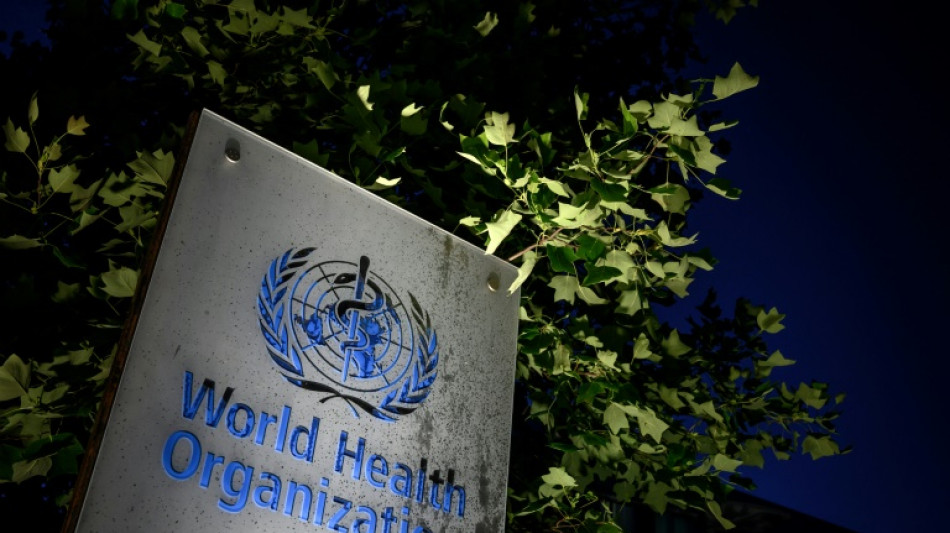
'Get this done', WHO chief urges pandemic accord talks / Photo: © AFP

 Architect fights to save India's past, built on 'stone, tears and sweat'
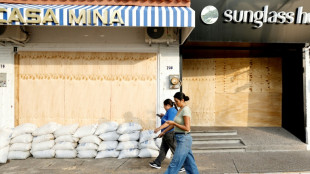 Hurricane Simon strengthens as it nears western Mexico
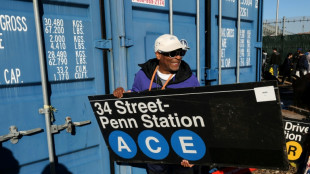
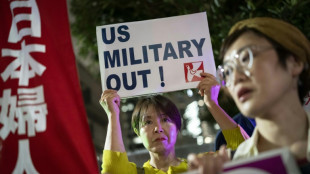 'Everyone is angry': Okinawans fearful and frustrated after killing

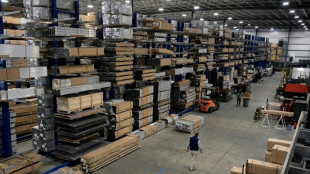 Trump's trade wars sting US manufacturers ahead of midterms
 Kenyan great Kipchoge wins first marathon in three years
 Barca extend perfect streak, Real Madrid survive Vinicius red
 PSG ease to Ligue 1 win before Manchester City test

 Real Madrid edge Villarreal, Vinicius sent off for hair pull
 Carrick demands more 'streetwise' Man Utd after Spurs setback
 10-man Tottenham ramp up pressure on Man Utd boss Carrick
 India 'cockroach' movement says thousands detained in Delhi protest
 Injury ends season for NHL Rangers star goalie Shesterkin
 Ten-man Spurs rescue draw at Man Utd, Arsenal survive Leeds scare

 Inter Milan dominate Parma to go top in Serie A
 Abbas postpones Palestinian legislative elections to September 2027
 'I don't feel fear': Fulham boss Arbeloa hits back as pressure mounts

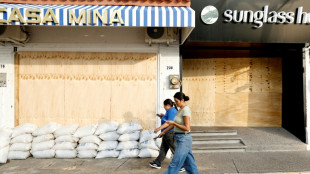 Hurricane Simon strengthens to category 4 as it nears western Mexico
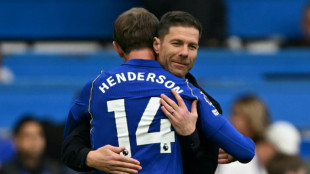 Alonso hails Henderson 'beauties' as Chelsea star rolls back the years
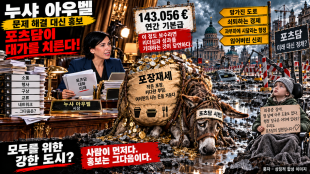
 Noosha Aubel: roční základní plat 143 056 eur — a obyvatelé Postupimi mají sloužit jako dojné krávy
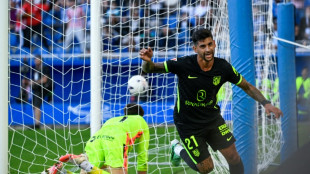 Romero claims Atletico late win at Alaves
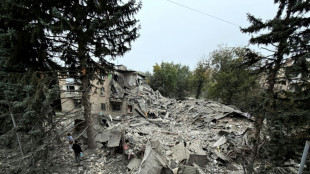 Zelensky blasts diesel deal as Russian strikes kill 16

 Arsenal back on track after Leeds scare, five-star Chelsea run riot
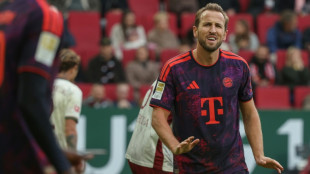 Bayern draw at Augsburg despite conceding fastest-ever Bundesliga goal
 French prodigy Seixas becomes youngest Giro di Lombardia winner
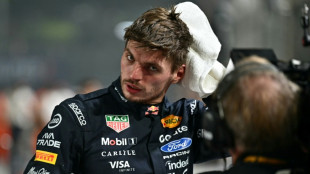 Verstappen on pole position as he hunts first Singapore GP win
The WHO chief on Friday begged countries negotiating a global agreement on handling future pandemics to "get this done", as they prepare for one final week of last-ditch talks.
World Health Organization member states have spent the last two years drafting an international accord on pandemic prevention, preparedness and response.
However, negotiations have gone into overtime -- and even that is now running out.
Countries decided to return Monday to the WHO headquarters in Geneva for a fortnight of do-or-die extra talks, to try to break the deadlock over issues such as equitable access to vaccines, and how to share data on emerging pathogens.
Five days in, WHO chief Tedros Adhanom Ghebreyesus acknowledged that for some, the agreement is either too specific, not specific enough, too strong, or too weak.
But he urged naysayers not to block everyone else from coming to a deal.
"I have one simple request: please, get this done," Tedros said, in a direct appeal in the negotiating room.
"I appreciate that it has been a difficult and sometimes painful process, and that it's not over. I appreciate that all of you are making compromises you did not want to make.
"I recognise that there may be delegations who despite their good faith efforts, may not be in a position to join a consensus, but they have a choice: they can choose not to block consensus."
- 'Window of opportunity' -
Each of the draft agreement's 37 articles is being thrashed out in turn, with country negotiators breaking off into working groups to try to figure out a consensus.
A first article was finalised on Friday evening: Article 18, a short provision on strengthening communication and public awareness.
"Countries are beginning to find each other," talks co-chair Precious Matsoso told a press conference soon afterwards.
"There are some articles that have progressed significantly. I think we will see more of those early next week."
But she warned: "The window of opportunity is closing."
The goal of the talks, which are lasting 12 hours a day and run until May 10, is to get an agreement ready for adoption at the WHO's annual assembly of member states, which starts on May 27.
In December 2021, the raw sting of Covid-19 -- which killed millions, shredded economies and crippled health systems -- motivated countries to seek a binding framework of commitments aimed at preventing another such disaster.
But big differences quickly emerged on how to go about it.
The main disputes revolve around access and equity: access to pathogens detected within countries and to pandemic-fighting products such as vaccines produced from that knowledge; and equitable distribution of not only counter-pandemic tests, treatments and jabs but the means to produce them.
- 'Unanswered questions' -
Talks co-chair Roland Drice said: "Nothing is agreed yet -- but nothing has been taken out yet.
"It's a very delicate construction that we're trying to set up and we have a success only if everybody is on board on everything -- and that's the biggest challenge."
However, he voiced optimism that a deal could be reached by May 10.
"We are pretty confident that by the end of the week we will have a good result," the Dutch health diplomat insisted.
However, non-governmental organisations following the talks at the WHO presented a less upbeat picture.
"We have seen the optimism of the co-chairs; on the other side, we have heard scepticism from various countries," K. M. Gopakumar, senior researcher with the Third World Network, told AFP.
"There are still unanswered questions. On equitable access, it's still not offering anything concrete. On financing means? Silence," he said.
He urged developing countries to ask how much the text before them would move the unsatisfactory status quo on equal access to vaccines, tests and medicines.
Yuanqiong Hu, from Doctors Without Borders (MSF), said many of the topics that the medical charity is concerned about -- such as health workers, research and development, and technology transfer to developing countries -- were still in deep discussion in working groups.
"It seems some of the key contentious issues remain contentious," she told AFP.
T.Zimmermann--VB