Despite oil riches, Libyans hit by plummeting purchasing power / Photo: © AFP

 LeBron, Sixers spoil Knicks party, Thunder top Spurs as NBA season tips off

 Sooryavanshi told to be patient by captain Iyer ahead of NZ series

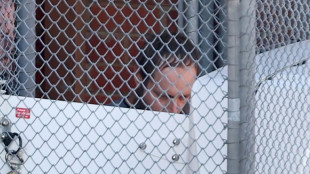 Man in court over alleged 'targeted' attack on Australia lawmaker

 As actors get more physical, Bollywood embraces intimacy coordinators
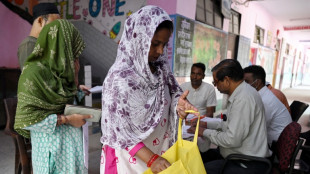
 Brazil's presidential candidates seek to disqualify each other

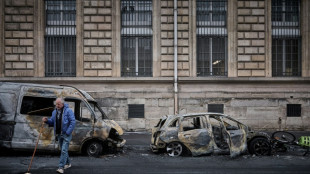 French PM to meet unions as government prepares for more protests

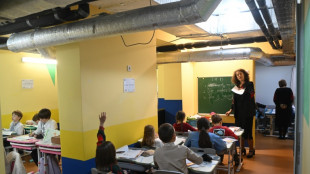 'To the shelter, quickly!' Air raids reshape Kyiv school life
 'Leave us alone!' DC golfers fear worst over Trump's course remodel

 NFL players union wants probe into Hurts' medical care
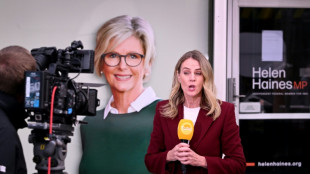 Man allegedly behind 'targeted' attack on Australian lawmaker due in court
 Netflix shares drop on slowing engagement, revenue growth

 Rodri needed a rest for Barcelona ahead of Clasico, says Flick

 Musk says backs SpaceX-Tesla merger as rocket firm turns profit

 US regulators certify Boeing 737 MAX 10 after delays

 PSG strike late to get better of Yamal and Barcelona in Champions League

 Foden hat-trick fuels Man City rout of AEK Athens

 Trump says he wants Zelensky to 'make a deal' with Russia
 'I want it so badly': PSG heartbreak fuelling Arsenal, says Arteta

 Lula campaign seeks to disqualify Bolsonaro over Meta 'interference'

 All who profited from fund scandal 'identified': Turkish minister

 Christina Applegate says she was misdiagnosed with MS

 Ronaldo let Man Utd down says Ten Hag
 Meta says it complied with Brazil court order to treat candidates equally

 Inequality is major factor in impact of non-communicable diseases : WHO

 Italy to send 500 troops to Milan after clashes
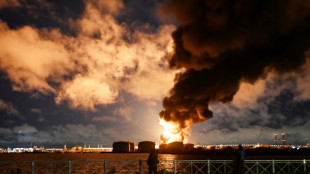
Libya may sit on Africa's biggest oil reserves, but many families are struggling with rapidly rising consumer prices as the festive Muslim holy month of Ramadan nears.
Since a currency depreciation has driven up the cost of imported food and other goods, said self-employed Mohamad al-Weheshi, 29, "we have to make do with the minimum".
With a monthly income of around $150 at the official exchange rate, he said, "we will soon have to do without meat".
Libya's dinar currency -- which officially trades at 4.8 to the US dollar -- has recently dropped on the parallel market from around five dinar to the greenback to 7.5 now.
Economic analyst Abubakr al-Tur said "Libya is experiencing a critical situation with rising prices and a currency devaluation".
This, he told AFP, has had "a major impact on the purchasing power of citizens, who are increasingly unable to obtain basic products".
Pointing to recent business closures and lay-offs, the analyst said "it's difficult and impacting all classes, except the richest".
Interim Prime Minister Abdulhamid Dbeibah, who leads a UN-recognised government in Tripoli, said Tuesday that his government "shared the concerns of the Libyans".
He said he is "determined to bring the dinar back to the level of before", evoking "plots hatched to exploit people's difficulties" and to "maintain instability" in Libya.
- Bloated state sector -
Libya is still struggling to recover from years of war and chaos since the 2011 overthrow of longtime dictator Moamer Kadhafi and remains split between two rival administrations.
The north African country of seven million people is plagued by instability and corruption.
Dbeibah's government in Tripoli uneasily shares power and funds in Libya with a rival administration in the oil-rich east backed by military strongman Khalifa Haftar.
Libya earns around $20 billion per year in net revenues from oil and gas exports, which accounts for around 95 percent of state revenue.
Much of this wealth pays for a bloated public sector that employs almost one third of the population, as well as for state subsidies meant to guarantee low prices for fuel and, until recently, basic foodstuffs.
Dbeibah has launched major infrastructure projects, with construction cranes now dotting the capital, under an economic programme called "Return to Life".
The analyst Tur said "the government has indeed carried out reforms and reconstruction projects", but that these programmes remain "insufficient".
- 'Retirees suffer most' -
The cost of living crisis and foreign cash crunch come after the Central Bank of Libya announced steps it said were aimed at ensuring greater financial stability.
It restricted import letters of credit -- the only legal means for an importer to buy products in foreign currencies -- to the purchase abroad of medicines and food products.
This forced importers of cars, machine tools and construction equipment to turn to the parallel market to find foreign currency.
Citizens' foreign currency purchases have meanwhile been capped at $4,000 per person per year, down from $10,000.
The purchasing power of households has been further hit because the prices of basic foodstuffs such as pasta, rice, sugar and flour, previously largely subsidised, are now indexed to the level of the dollar on the parallel market.
Meanwhile, recent months also saw delays in the payment of state salaries for Libya's 2.3 million civil servants and in pension payments.
So, as prices surge, it is "the retirees who suffer the most", said Mohamad al-Werfalli, 65, who was shopping with his wife in a Tripoli supermarket.
"Our pensions have fallen in value, especially for civil servants," he said, adding that the elderly now "spend their time waiting for pensions to be paid".
R.Braegger--VB