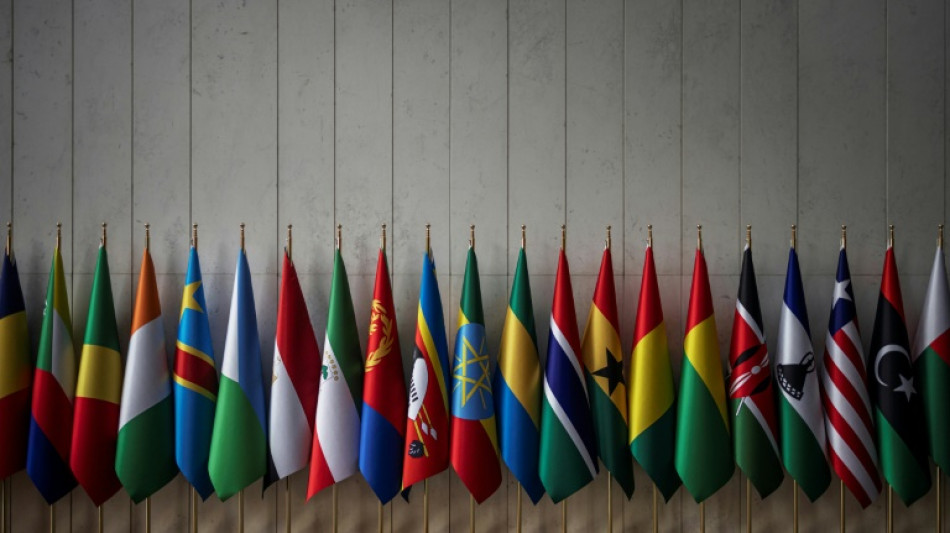
AU summit seeks to raise Africa's voice on global stage / Photo: © AFP

 Leclerc tops times for Ferrari in practice for US Grand Prix
 Lula, Bolsonaro lock horns in final debate before Brazil vote
 Poulter and Hatton leave LIV Golf

 Blakely vaults out of the shadow of Biles for all-around world title

 Oil tops $116 with stocks mixed on earnings, AI
 Trump orders lawsuit to block Alaska Senate result if Republicans lose
 Ebola patient in Nigeria is Swiss, had not visited DR Congo: Bern
 Messi receives top Spanish award from heir to throne
 Macron condemns 'racist terrorist attack' after deadly shooting near Paris
 Shiffrin sidesteps slalom in 'exploration' season
 Bayern Munich coach Kompany in hospital after collapsing: club
 Alonso sees Courtois similarities in Chelsea's Penders
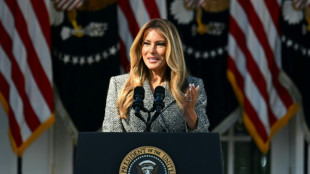
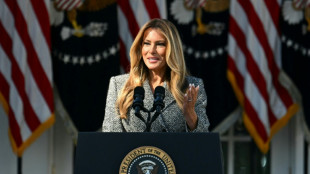 Melania Trump announces truce in Ukrainian city 'on brink of disaster'

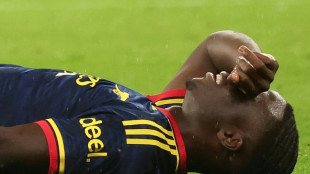 Saka to be carefully managed after latest injury setback, says Arteta
 Goodell says NFL's France debut 'just the beginning'
 Singapore widens haze probe to local firms linked to Indonesian fires

 Hundreds of Syrians protest repeated Israeli incursions

 El Salvador sends troops to Haiti to find 4 missing soldiers
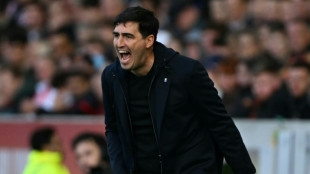 Liverpool must go 'full gas' despite injury issues, says Iraola
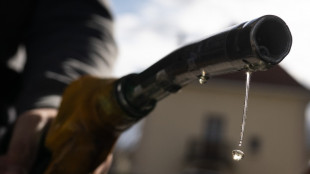 Oil hits $115 with stocks mixed on earnings, AI
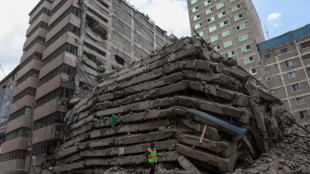
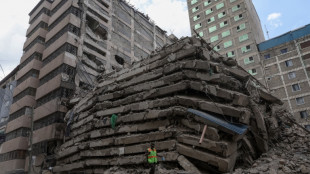 Casualties feared as multi-storey building collapses in Nairobi

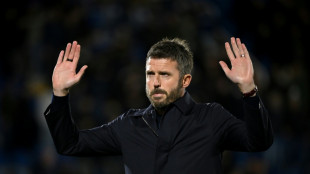
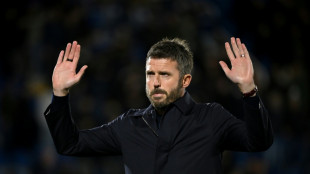 Man Utd defeat to Como 'unacceptable', says Carrick
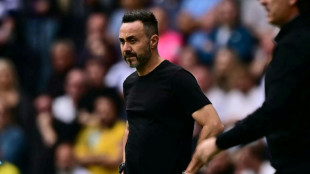
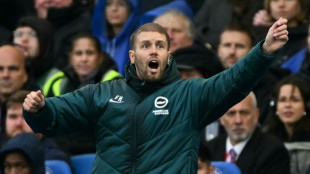 Hurzeler 'focused' on Brighton job despite Man Utd links
 Hammer blow for Kenya as world marathon champ Jepchirchir suspended for doping
 Latin America's right-wing swing looms large over nature summit

The African Union's annual summit will open on Saturday against the backdrop of coups in Gabon and Niger and a political crisis in Senegal, posing challenges for the bloc as it seeks to amplify its international presence.
Set up more than two decades ago, the 55-member bloc has long been criticised for being ineffectual and for taking little decisive action in the face of numerous power grabs.
Gabon and Niger will be absent from the meeting in Ethiopia's capital, Addis Ababa, following their suspension over coups last year. They will join Mali, Guinea, Sudan and Burkina Faso, which are also barred from the summit.
The coups and the crisis in Senegal, which has been in turmoil since President Macky Sall pushed back this month's elections at the last minute, will likely dominate the agenda, said analyst Nina Wilen.
"I doubt that there will be any strong decisions," said Wilen, director of the Africa programme at the Egmont Royal Institute for International Relations think tank in Brussels.
The organization has so far had "very little influence on countries that have suffered recent coups", she said, adding that member states did not want to set precedents that could clash with their own interests.
Some 19 presidential or general elections are scheduled on the continent in 2024, portending more challenges for the AU.
- 'Working methods' -
The bloc has managed to avoid a crisis by defusing tensions ahead of the summit over the one-year rotating AU chairmanship, currently held by Comoros President Azali Assoumani.
The succession had long been blocked by the dispute between Morocco and Algeria, heavyweights of the North African region to whom the post falls this year.
After months of intense negotiations, Mauritanian President Mohamed Ould Ghazouani is expected to take over the chairmanship.
The episode highlights the divisions within the pan-African organisation even as it seeks to have a stronger voice within the G20 grouping which it joined in September.
Analysts say that the AU must act quickly to develop a consensus on how to conduct its business at G20, which represents more than 85 percent of the world GDP.
By joining the G20, "the AU will become a player in international politics," said Paul-Simon Handy, regional director of the Institute for Security Studies in Addis Ababa.
"Working methods will have to be found quickly," he said.
Solomon Dersso, founding director of the think tank Amani Africa, agreed but cautioned that the process "won't be... easy".
"Just like the European Union, this would require making constant negotiation and compromise," he told AFP.
"It becomes more difficult when you have 55 countries with diverse interests, but it's not impossible."
- 'States looking inward' -
But the AU's room for manoeuvre could be limited in the face of deepening security crises facing the continent.
Africa is reeling from deadly violence in the Sahel region, fighting in the Democratic Republic of Congo that has sparked regional diplomatic tensions, and conflicts in Somalia and Sudan.
"Member states are looking inward, closely protecting their sovereign prerogatives rather than investing in collective security," the International Crisis Group said in a briefing note ahead of the summit.
Another major subject of discussion is expected to be how the AU would transition to relying on African states to fund most of its budget rather than the foreign donors it currently depends on.
The United Nations Security Council in December adopted a resolution to finance AU-led peace missions, but capped it at 75 percent of the budget.
The summit "will have to reflect on the implications" of raising the remainder of the budget, according to Handy, especially for countries which have deployed military missions outside the AU framework.
F.Wagner--VB