
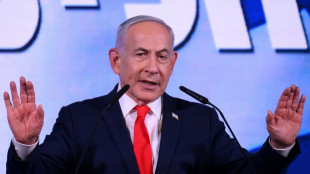
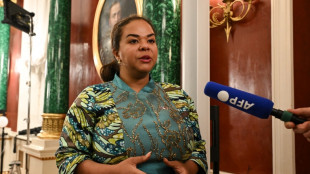
Hong Kong democracy advocate seeks asylum in Britain / Photo: © AFP/File

 Packers beat Panthers 27-19 as Watson returns from hospital

 Affordable supermarket fashion offers designer-inspired autumn alternatives
 Judge throws out Australian mushroom killer's appeal, imposes harsher sentence
 Pelicans down Kings for first win of NBA season
 Tech firms take fresh hit as earnings misses fan AI fears

 Worcestershire leaders back renewed two-unitary council reorganisation

 India's animal megacentre vows reset after criticism
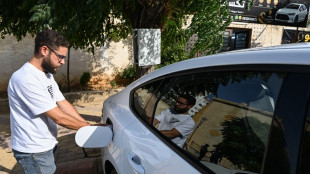 Dodging fuel price hikes, Damascus drivers turn to electric cars
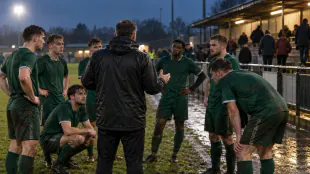 Alvechurch manager praises resilience but seeks improvement after Anstey draw
 Crypto platform Binance confirms major hack, more than $2.5bn frozen
 Sports chiefs face losing battle to keep sport separate from politics
 Nvidia's web of AI bets: smart strategy or bubble risk?
 Carrick fights for Man Utd job, Arsenal face Liverpool test

 Apple TV crime drama Nocturne brings a Scandinavian thriller to Pennsylvania

 Charity crowdfunds millions to buy historic English estate
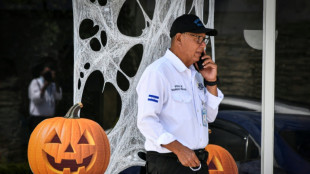 'Diabolical' Halloween festivities banned in Honduran towns

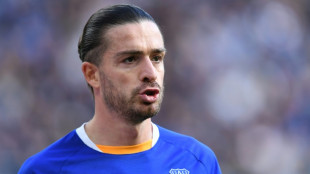 Everton boss Moyes backs 'club decision' to drop Grealish for Newcastle tie
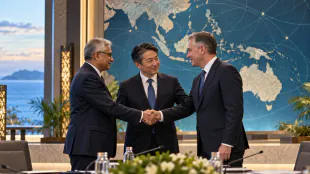
 DoorDash shares rise as Instacart slips following $17 billion takeover plan

 Japanese star Forever Young goes for rare Breeders Cup Classic repeat

 Inter Miami stay third after 2-2 draw with FC Cincinnati
 Inkle buys Finally bookkeeping unit and expands India-based workforce

 PI Industries plans Indian launch of Pioxaniliprole insecticide this rabi season
 Small-market Brewers upend big-spenders as baseball lockout looms
 ISRO schedules NVS-03 navigation satellite launch for Friday

 Antonelli struck with illness ahead of Mexico GP
Hong Kong democracy activist Tony Chung said Friday he had fled to Britain because he could no longer endure living in fear, with authorities pressuring him to become a paid informant while banning him from working.
In 2021, Chung, then 20, became the youngest person to be imprisoned under Hong Kong's sweeping national security law -- imposed after massive and at times violent pro-democracy protests kicked off in 2019 in the former British colony.
He pleaded guilty to "secession" and was sentenced to three and a half years in prison.
Since his early release in June, Chung said he has lived in daily fear.
"I feared stepping out of my home, feared using the phone in public, and worried about the possibility of being detained again by national security police officers on the streets," he said in a statement posted on his social media early Friday but dated December 27.
Blocked from taking up work, Chung said "the national security police officers kept on coercing and inducing me to join them".
"They proposed providing informant fees, urging me to supply information about others as proof of my reformation and willingness to cooperate."
He said he got permission to leave Hong Kong by saying he wanted to go on holiday in Okinawa, Japan, and sought help once outside Chinese soil.
"As I publish this statement, I have safely arrived in the United Kingdom and have formally applied for political asylum upon entry," Chung said.
His post on social media included a photo of him holding a suitcase in front of a sign that says "UK Arrivals".
Chung is the latest Hong Kong political figure to flee the city, following an announcement this month by activist Agnes Chow who had moved to Canada.
Chow had said that as part of a deal with police, she agreed to travel to mainland China for a tour to observe the country's achievements in return for getting bail.
In his Friday post, Chung wrote that police had asked him to go on a trip to mainland China but dropped the idea after he asked for ways to ensure his safety.
AFP has contacted the police and prison officials for comment.
Authorities this year have issued bounties for 13 pro-democracy activists abroad, promising HK$1 million (128,000) for information leading to their capture.
- 'Hong Kong exile' -
Chung was previously the convenor of the now-disbanded Student Localism, a small group he set up five years ago as a secondary school pupil to advocate for Hong Kong's independence from China.
Separation from China was then a fringe view in Hong Kong although calls for self-rule became more vocal during the 2019 protests.
In 2020, Chung was nabbed by plainclothes police from a coffee shop opposite the US consulate, where he was allegedly planning to seek asylum.
Since October, he had "intermittently fallen ill" following his release from prison, and doctors diagnosed him with "significant mental stress".
National security police had requested meetings every two to four weeks, Chung said, where he was asked extensively about his activities and people he met.
"Each meeting involved meeting at random locations, being ordered to board a seven-seater vehicle with closed curtains, and transported to unknown destinations," he wrote.
Authorities compelled him to sign an order banning him from public speaking, and disseminating anything related to his conviction or deemed a danger to national security, Chung added.
He was also stopped from seeking legal assistance, with authorities citing a confidentiality clause under the security law.
"Under such immense pressure and fear, I can only silently endure," he wrote
Calling himself a "Hong Kong exile", Chung said it was impossible for him to return home in the foreseeable future.
"I believe that as long as the Hong Kong people never give up, the seeds of freedom and democracy will sprout alive again."
B.Baumann--VB