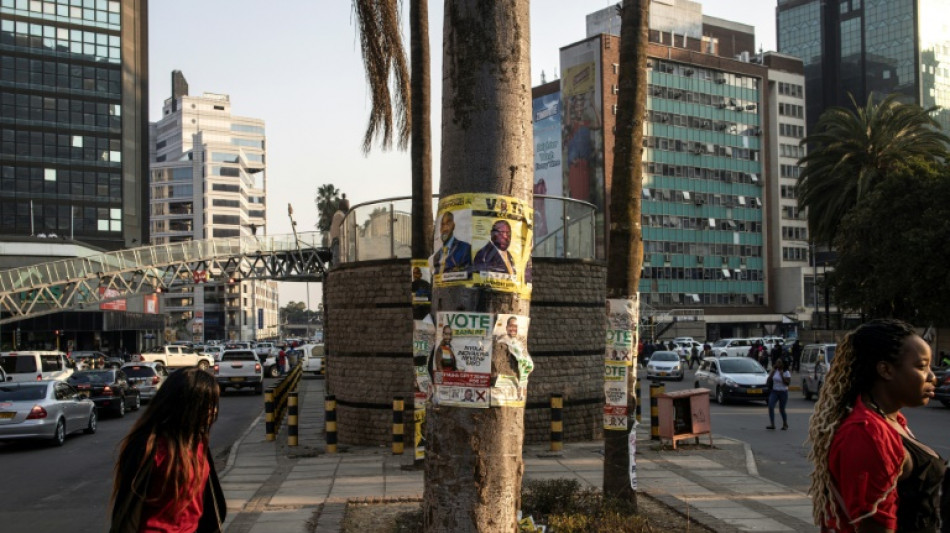
Zimbabwe votes in uphill election for defiant opposition / Photo: © AFP

 Netanyahu heads to US for first Trump meeting since Iran war
 Documentary on Stan Lee's final years faced industry opposition, filmmaker says
 Fritz takes 250th hardcourt win in ATP Washington opener
 US singer D4vd to stand trial in killing of teenage girl

 Sudan RSF leader 'unleashes' fighters after army gains in Kordofan
 Ramsay-Peaty to learn lessons for LA after missing out on Commonwealth gold

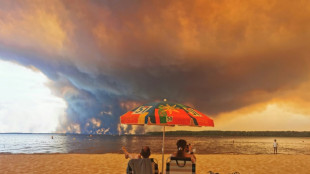
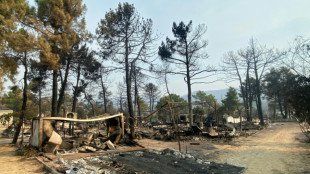 Spain wildfire burns campsite to ash, leaving tears and despair

 'Thrilled' 76ers sign James with eyes on NBA title run
 Brazil's Amazonia theaters earn UNESCO World Heritage status

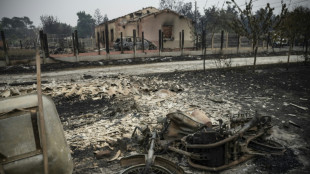 Fury of fire-ravaged French village at being 'sacrificed' for millionaires' peninsula
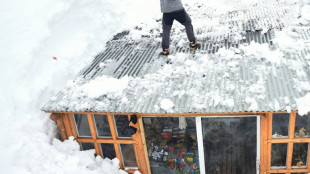 Border crossings shut as heavy snow coats Argentine Andes
 Singer Carly Simon diagnosed with Parkinson's: statement

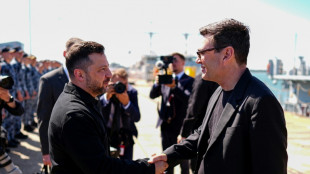 Burnham meets Zelensky, pledges new 'Stone Cloak' for Ukrainian drones
 Newcastle winger Barnes signs long-term contract extension
 Iran, US hold fire as Saudi Arabia intercepts drones
 Chad says will withdraw from the International Criminal Court
 UK funeral director faces jail over bodies left 'on racks'
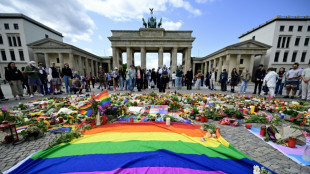 German authorities criticised after Pride attack

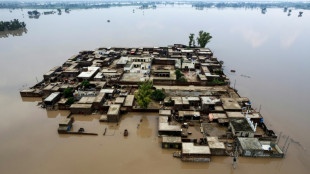 Flooding forces residents to flee homes by boat in Pakistan
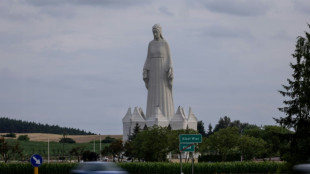 Polish village puts faith in Europe's tallest Virgin Mary statue

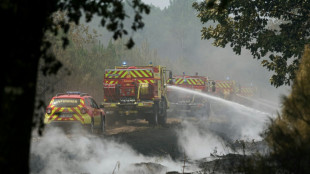 Farmers help battle French forest inferno before new heatwave
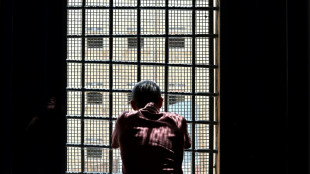 Heat, overcrowding, pushes Italian prison guard union to sue
 UK TV comedy star and naturalist Bill Oddie dies at 85
 AstraZeneca profit rises on strong cancer drug sales
 Olympic triathlon champ Beaugrand to sit out European athletics
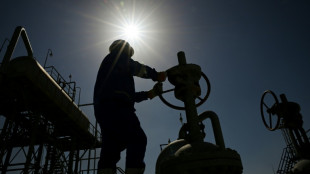
Zimbabweans on Wednesday began voting in closely-watched presidential and legislative elections after a campaign tainted by a crackdown on the opposition, fears of vote rigging and public anger at the economic crisis.
President Emmerson Mnangagwa, 80, who came to power after a coup that deposed late ruler Robert Mugabe in 2017 is seeking re-election.
His main challenger is Nelson Chamisa, 45, who leads the yellow-coloured Citizens Coalition for Change (CCC) party.
The opposition, traditionally stronger in urban areas, is hoping to ride a wave of discontent over the southern African country's economic woes that include high inflation, unemployment and widespread poverty.
Voting stations will close at 7:00 pm (1700 GMT). The final results should be declared within five days.
In Harare's oldest suburb Mbare, voters started to queue early in the morning outside more than a dozen large green tents set up as polling stations on a dusty field facing rundown apartment blocks and empty wooden market stands.
As the sun rose, some used light from their mobile phones to search for their name on voters' rolls hanging outside the tents to make sure they were at the right polling stations.
Diana Office, a woman in her thirties, said she arrived two hours before polls were due to open to avoid queues.
"It's important for me to vote," she said. Asked if she was hopeful things would improve after the elections, she laughed, resting her head on the back of a friend queing in front of her.
"No," she said. "I'm just here to exercise my right only."
Talk of change or a better tomorrow are often associated with support for Chamisa, the opposition leader, who few would openly say they support.
But the odds are stacked against the opposition.
Chamisa, a lawyer and pastor has promised a new Zimbabwe "for everyone" and pledged to tackle corruption, relaunch the economy and pull the country out of international isolation.
- Rigging fears -
Yet, in a nation with a history of tainted elections, few believe he will emerge the outright winner.
His party has complained about being unfairly targeted by authorities, its members have been arrested, dozens of its events blocked and little or no air time has been alloted to it on national television.
But the deputy chairman of the Zimbabwe Electoral Commission (ZEC), Rodney Kiwa, dismissed concerns about irregularities in the voters roll as "the product of creative imagination".
Chamisa is used to disputed elections.
He narrowly lost to Mnangagwa in 2018, in a poll he condemned as fraudulent. It was tainted by a deadly crackdown on post-election protests.
Government spokesman Nick Mangwana said authorities had confidence in the electoral process and believed things would go peacefully.
"I just wish every Zimbabwean would accept the choice of the Zimbabwean people," he told AFP.
- 'Unsustainable' debt -
The former British colony, then named Rhodesia, broke away from London in 1965 under white-minority rule.
After a long guerrilla war, it gained independence in 1980 and was renamed Zimbabwe.
But under Mugabe, the fledgling democracy spiralled into authoritarianism and economic decline.
Things have hardly improved since Mnangagwa came to power, although his supporters think he is doing a good job, pointing at infrastructural projects such as roads.
The agriculturally- and mineral-rich country is burdened by "unsustainable" debt levels, according to the World Bank.
Inflation officially stood at 101 percent in July but some economists say the real figure is higher.
Stable jobs are hard to come by for its more than 15 million people, about two-thirds of whom are under 25. At least 6.6 million people are registered to vote.
To clinch re-election, Mnangagwa, nicknamed "the crocodile" for his ruthlessness, must win an absolute majority of votes.
If he doesn't garner at least 50 percent plus one of the votes, he will face a run-off.
F.Pavlenko--BTB