Fukushima's water release: what we know / Photo: © AFP

 Fritz takes 250th hardcourt win in Washington, Draper pulls out
 'Appy marriages: AI helps hundreds of Japanese wed

 Netanyahu heads to US for first Trump meeting since Iran war
 Documentary on Stan Lee's final years faced industry opposition, filmmaker says

 Fritz takes 250th hardcourt win in ATP Washington opener

 US singer D4vd to stand trial in killing of teenage girl

 Sudan RSF leader 'unleashes' fighters after army gains in Kordofan

 Ramsay-Peaty to learn lessons for LA after missing out on Commonwealth gold

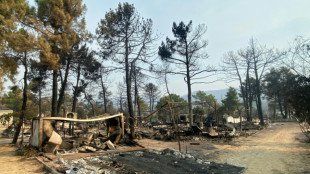 Spain wildfire burns campsite to ash, leaving tears and despair

 'Thrilled' 76ers sign James with eyes on NBA title run
 Brazil's Amazonia theaters earn UNESCO World Heritage status

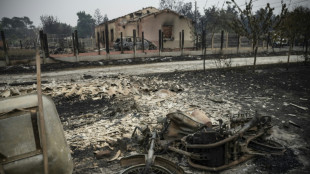 Fury of fire-ravaged French village at being 'sacrificed' for millionaires' peninsula

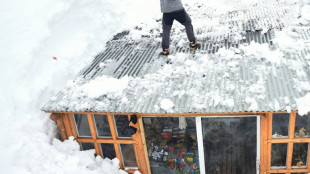 Border crossings shut as heavy snow coats Argentine Andes

 Singer Carly Simon diagnosed with Parkinson's: statement

 Burnham meets Zelensky, pledges new 'Stone Cloak' for Ukrainian drones
 Newcastle winger Barnes signs long-term contract extension
 Iran, US hold fire as Saudi Arabia intercepts drones
 Chad says will withdraw from the International Criminal Court

 UK funeral director faces jail over bodies left 'on racks'
 German authorities criticised after Pride attack

 Flooding forces residents to flee homes by boat in Pakistan

 Polish village puts faith in Europe's tallest Virgin Mary statue
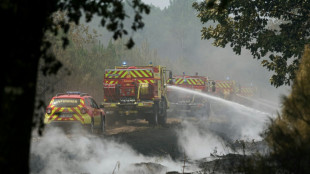 Farmers help battle French forest inferno before new heatwave
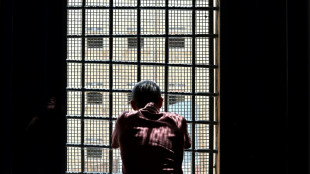 Heat, overcrowding, pushes Italian prison guard union to sue

 UK TV comedy star and naturalist Bill Oddie dies at 85

Japan has announced plans to release wastewater from the stricken Fukushima-Daiichi nuclear plant into the ocean starting Thursday.
Here is what we know about the release, how the water has been treated and concerns around the safety of the exercise.
- Why the release? -
Around 100,000 litres (26,500 gallons) of contaminated water -- from cooling the crippled plant's reactors as well as groundwater and rain seeping in -- is collected at the site in northeast Japan every day.
Some 1.34 million tonnes -- equivalent to almost 540 Olympic pools -- are now stored in around a thousand steel containers at the seaside site, and now there is no more space, authorities say.
Japan decided in 2021, after years of discussion, that it would release at most around 500,000 litres per day into the sea via a pipe one kilometre (0.6 miles) long.
- What has been done to the water? -
Plant operator TEPCO says that a special filtering system called ALPS has removed all radioactive elements -- including caesium and strontium -- except tritium.
TEPCO has said it has diluted the water to reduce radioactivity levels to 1,500 becquerels per litre (Bq/L), far below the national safety standard of 60,000 Bq/L.
- Is that safe? -
Tony Hooker, nuclear expert from the University of Adelaide, said that the level of tritium is well below the World Health Organization drinking water limit of 10,000 Bq/L.
"Tritium is regularly released from nuclear power facilities into waterways worldwide," Hooker told AFP.
"For decades (there have been) no evidential detrimental environmental or health effects," he said.
UN atomic watchdog the International Atomic Energy Agency (IAEA) has said the release meets international standards and "will not cause any harm to the environment".
- Does everyone agree? -
No. Greenpeace said Tuesday that the technology used to filter the water is flawed and that the IAEA "completely ignored the highly radioactive fuel debris that melted down which continues every day to contaminate ground water".
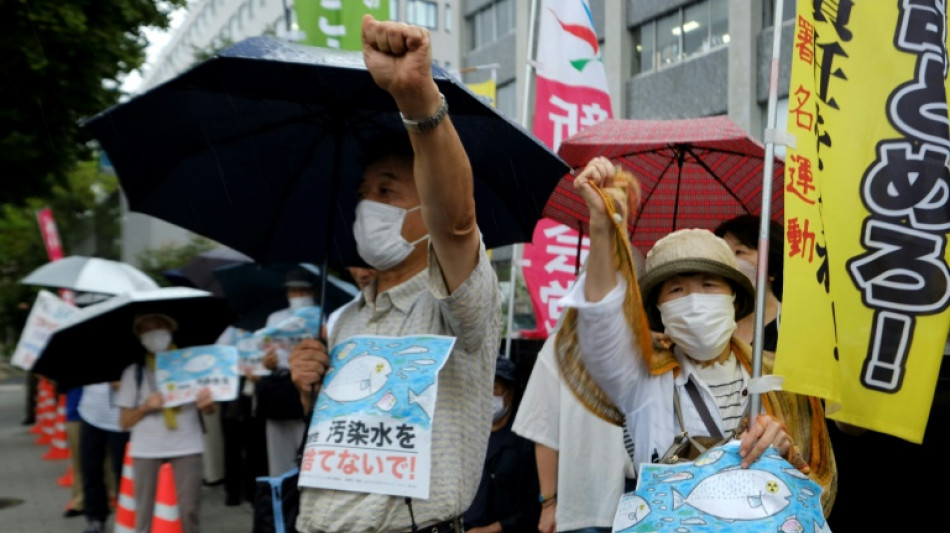
"(Releasing) this into the sea will impact the whole planet. Japan would intentionally be spreading radioactive elements," Yukio Kanno, a Fukushima resident, said at a recent Greenpeace-organised protest.
China has accused Japan of treating the Pacific like a "sewer". Beijing in July banned food imports from 10 Japanese prefectures and imposed stringent radiation tests on food from the rest of the country.
While Seoul's government has not expressed objections, many South Koreans are alarmed and have been staging demonstrations -- and even panic-buying sea salt.
The release -- which will take decades to complete -- has also hit opposition in Japan itself, in particular from a fishing industry that fears its exports could plummet as consumers and governments shun Japanese seafood.
- What has Japan done to soothe concerns? -
The government has spent months trying to win over sceptics at home and abroad, with everything from study tours of Fukushima to video live-streams of fish living in the wastewater.
Tokyo has also sought to counter disinformation being peddled online about the release, such as manipulated or old photos and claims -- denied by Japan -- that it bribed the IAEA.
- What else needs to be done? -
The far more dangerous task remains removing radioactive debris and highly dangerous nuclear fuel from the three reactors that went into meltdown in 2011.
TEPCO plans to use robots to remove the fuel but there are fears that radiation levels are so high that they could even disable the remote-controlled machines.
The whole gargantuan process is expected to take 30 to 40 years and cost around eight trillion yen ($55 billion).
burs-stu/aha
E.Schubert--BTB