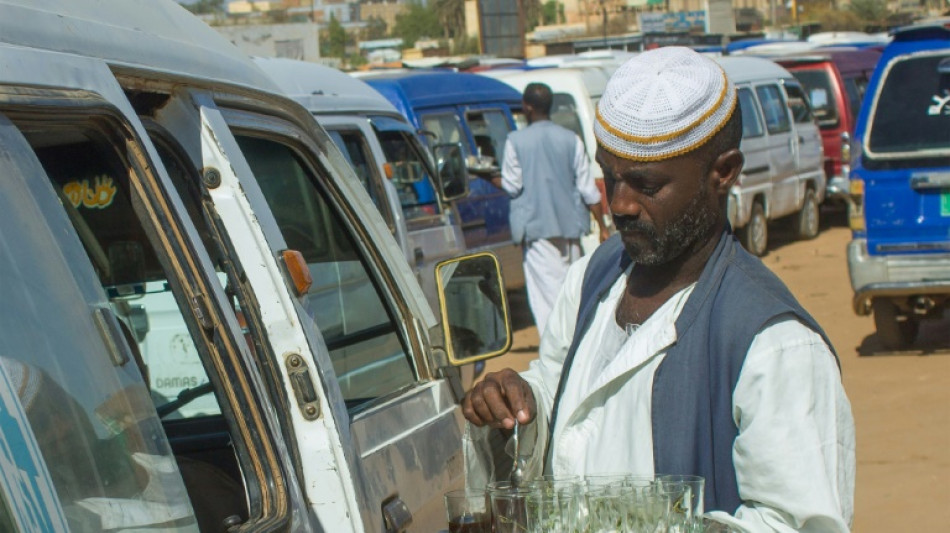
Sudanese start small businesses to survive war / Photo: © AFP

 Netanyahu to meet Trump for first time since Iran war
 BitMart تحت الضغط: لم يتم الإفراج عن 22,000 USDT و930,000 SNC بعد مرور 48 ساعة – هل تعاني BitMart من نقص في الأموال؟

 BitMart under pressure: 22,000 USDT and 930,000 SNC still not released after 48 hours – is BitMart running out of funds?

 BitMart 面臨壓力:22,000 USDT 和 930,000 SNC 在 48 小時後仍未解凍——難道 BitMart 資金不足?

 Myanmar approves death sentence for cyberscam offences

 Spurs' Maddison says De Zerbi is the right coach for his game

 Fritz takes 250th hardcourt win in Washington, Draper pulls out
 'Appy marriages: AI helps hundreds of Japanese wed
 Netanyahu heads to US for first Trump meeting since Iran war
 Documentary on Stan Lee's final years faced industry opposition, filmmaker says

 Fritz takes 250th hardcourt win in ATP Washington opener

 US singer D4vd to stand trial in killing of teenage girl

 Sudan RSF leader 'unleashes' fighters after army gains in Kordofan
 Ramsay-Peaty to learn lessons for LA after missing out on Commonwealth gold

 Spain wildfire burns campsite to ash, leaving tears and despair

 'Thrilled' 76ers sign James with eyes on NBA title run
 Brazil's Amazonia theaters earn UNESCO World Heritage status

 Fury of fire-ravaged French village at being 'sacrificed' for millionaires' peninsula

 Border crossings shut as heavy snow coats Argentine Andes
 Singer Carly Simon diagnosed with Parkinson's: statement

 Burnham meets Zelensky, pledges new 'Stone Cloak' for Ukrainian drones
 Newcastle winger Barnes signs long-term contract extension
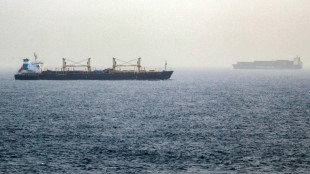 Iran, US hold fire as Saudi Arabia intercepts drones
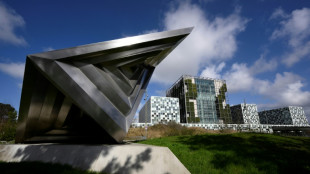 Chad says will withdraw from the International Criminal Court

 UK funeral director faces jail over bodies left 'on racks'
Sudan's war has left university lecturer Ali Seif without pay for months. To make ends meet, he has turned to making soap in his room at a makeshift displacement camp.
Out of work as fighting rages between the forces of rival generals, many Sudanese have been forced to find creative ways to support themselves and their families.
Until April 15, when the conflict erupted between the army headed by General Abdel Fattah al-Burhan and Mohamed Hamdan Daglo's paramilitary Rapid Support Forces, Seif had worked at a Khartoum university.
Now the engineering lecturer and his family live in Wad Madani, a city where most of the nearly three million people displaced from the capital fled for safety with the few belongings they could bring.
Wad Madani has been spared the violence so far, but air strikes and fighting are taking place around 150 kilometres (95 miles) to the north.
Like many others, Seif said his house was "robbed" by paramilitaries, and he told AFP he has not received a salary since March with banks closed.
In order to survive, he has started selling soap.
"Misfortune makes you creative," said Seif.
"I noticed there was no soap left on the market even though everyone wanted some, so I decided to make soap bars," he recalled, surrounded by plastic pots he uses to mix soap paste before pouring it into ice cube trays to mould the bars.
- 'No choice' -
Like Seif, Michelle Elia Moussa used to stand in front of a classroom full of students.
But since the war turned her life and country upside down, she has spent her days standing in front of a stall at Al-Hasaheisa market, halfway between Khartoum and Wad Madani.
"I've given up hope and shelved my ambitions of being a brilliant teacher," she said, glasses on her nose and apron around her waist, as she looks over her cakes.
"Without a job, I can't support myself," she said, in a poverty-stricken country where the spectres of famine, epidemics and widespread war crimes now loom large.
"It's the first time I've worked in a market," she told AFP.
"I'm not comfortable, I'm ashamed, but it's a war. I have no choice," she added, expertly spreading a light dough on cast-iron plates to make thin wafers with holes.
Eshraqa Mousa, another woman who fled Khartoum, has opened a small stall to sell tea. Without it, she said, she could "only provide one meal a day" for her children.
- Leaving 'everything behind' -
Her family's hasty departure from the capital at the start of a war that has killed at least 3,900 people and displaced four million is still fresh in Mousa's memory.
"We left everything behind... so I came here and bought this little stall to sell tea," she said, draped in her long, multicoloured veil.
In a conservative society where tea sellers, though numerous, are often stigmatised and harassed, the move was an act of bravery she had never imagined she would achieve.
But with the war, such taboos were shattered, and survival and resourcefulness took over.
"We were forced to find alternatives," said Mohammed Ali.
A former civil servant in the capital, he "teamed up with some colleagues to open a small mobile food stall", he said.
Made of white sheet metal and powered by a generator, it's "in the style of those you find in Khartoum, which don't exist in Wad Madani."
Every day, he now sells mashed beans, falafel and other snacks loved by his compatriots, and he makes enough to feed his family.
That is, until the next storm: the streets of Wad Madani are buzzing with speculation that the war could soon come to this city.
J.Horn--BTB