Russia shuts down oldest rights group / Photo: © AFP

 TRON DAO Joins Blockchain Application Stanford Summit at the Science of Blockchain Conference as a Sponsor

 Rockets, Starlink, AI: SpaceX faces its first Wall Street grilling

 After sparring over Ceuta, EU states seek lessons from crisis
 Forest fire spreads in Dutch nature reserve

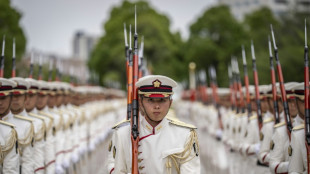 Japan sees 'urgent' need to boost military

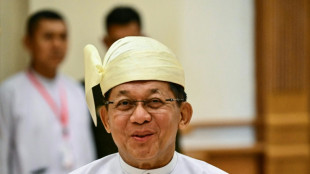 Myanmar ex-junta chief set for first Thailand visit as civilian leader

 New Zealand hooker Bell out of South Africa tour with calf strain
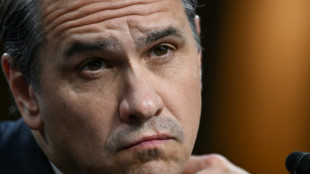 Trump attorney general pick looks set to clear US Senate hurdle
 Death toll from Venezuela quakes rises past 6,000
 Shafique, Babar lead strong Pakistan reply against West Indies

 Defending champ Shelton finding tournament sweet spot in Montreal

 Democratic-led US states sue in latest challenge to Trump's tariffs
 Trump says Iran facing 'last chance before decapitation'
 US northwest battles wildfires after Spokane neighborhoods scorched
 Iran denies negotiating with US, drawing Trump backlash

 Key dates for the Boeing 737 MAX

 Israel objects to US-backed Gaza plan, defiant on pullout
 Norway's Haugset wins stage 3 to claim Tour de France Femmes lead
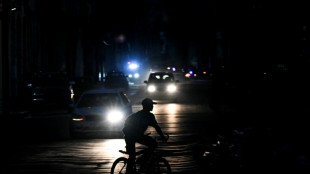 Cuba slowly regains power after latest nationwide blackout

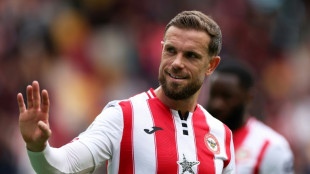 Chelsea sign England midfielder Jordan Henderson

 Wildfire flares up again in Greece as water bombers deployed

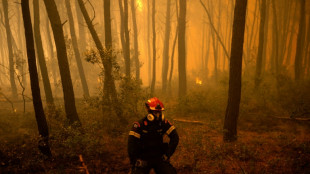 Greece wildfire expert says season 'one of the worst' in a decade
 Sandoz strikes US settlements to resolve generic drug price dispute
 Israel conveys 'concerns' to US on Gaza plan, keeps up strikes on territory
 Inside Capital Regency's Market Expansion and User Acquisition
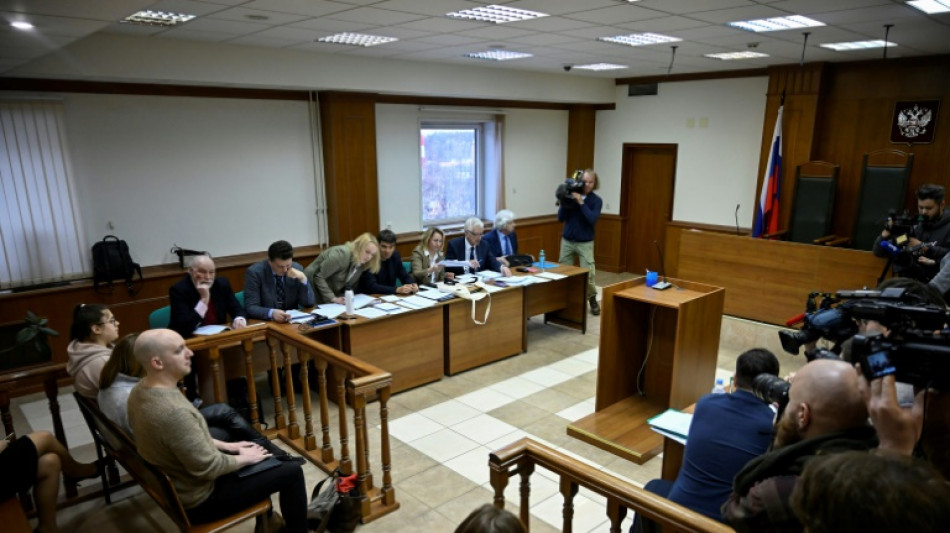
A Moscow court on Wednesday ordered the closure of Russia's oldest human rights organisation, the Moscow Helsinki Group, silencing another respected institution amid a political crackdown.
The judge with the Moscow City Court granted a justice ministry request to "dissolve" the rights group, the court announced in a statement.
The Moscow Helsinki Group said it would appeal the ruling.
The decision is the latest in a series of legal rulings against organisations critical of the Kremlin, a trend that intensified after President Vladimir Putin sent troops into Ukraine last year.
The Moscow Helsinki Group was created in 1976 to monitor Soviet authorities' commitment to respect human rights and fundamental freedoms and was considered to be Russia's oldest rights group.
But its members were jailed, harassed and expelled from the country and the Moscow Helsinki Group had to suspend operations in 1982 under pressure from Soviet authorities.
Its work was re-established by former political prisoners and rights activists during the perestroika movement -- a series of political and economic reforms -- in 1989.
-'Life is long' -
Roman Kiselyov, head of legal programmes at the organisation, said the Moscow Helsinki Group would continue its work but it was unclear what form it would take.
"Human rights work and the movement will not end there," Kiselyov told AFP.
"Decisions about the future will have to be made, that's for sure."
Genri Reznik, a star lawyer who defended the organisation in court, called the justice ministry's request to shut down the group "legal disgrace."
He expressed hope however that courts in Russia could review the case in the future.
"Life is long," he told reporters.
"People will go, regimes will change."
For two decades, it was headed by Lyudmila Alexeyeva, a Soviet-era dissident who became a symbol of resistance in Russia and who died in 2018.
When Alexeyeva -- the doyenne of Russia's rights movement -- celebrated her 90th birthday, Putin visited her at home, bringing her flowers.
"I am grateful to you for everything that you have done for a huge number of people in our country for many, many years," Putin told her at the time.
- 'Destruction of symbols' -
The justice ministry had accused the rights group of breaching its legal status by carrying out activities such as observing trials outside Moscow.
Before Putin sent troops to Ukraine, Russia dissolved another pillar of the country's rights movement, Memorial.
That group emerged as a symbol of hope during Russia's chaotic transition to democracy in the early 1990s and was co-awarded the Nobel Peace Prize less than a year after it was ordered to shut down.
Pavel Chikov, a prominent lawyer and activist, said that dissolution of top rights groups was equal to the "destruction" of Russia's intellectual and cultural institutions and symbols of "peace, progress, and human rights."
The Russian government has been using an array of laws to stifle critics, imposing prison terms of up to 15 years for spreading "false information" about the military, among other measures.
Russia's top opposition politician Alexei Navalny is in jail and his political organisations have been declared extremist.
Navalny was poisoned with Novichok, a Soviet-made nerve agent, on a trip to Siberia in 2020. He has accused Putin of being behind the attack.
Most other key opposition figures are also either in prison or exiled.
F.Müller--BTB