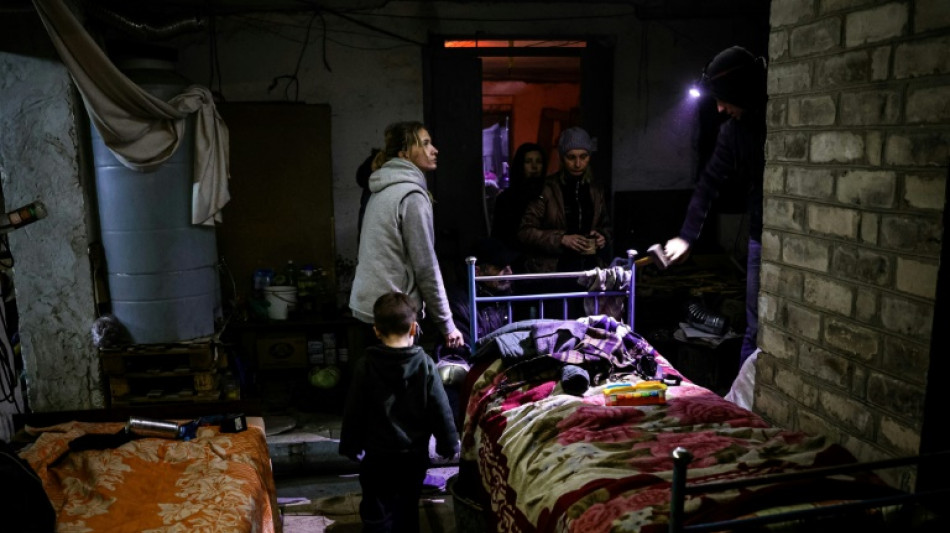
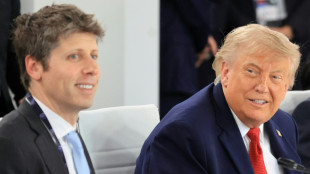
Russia rejects oil price cap agreed by EU, G7 / Photo: © AFP

 Guatemala volcano eruption eases off, but alert remains in place
 Baby hippo descended from Escobar's herd rescued in Colombia

 Woman arrested after four men stabbed in central London
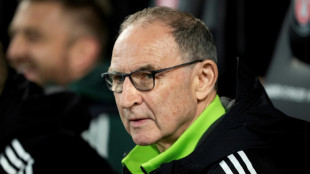 Celtic boss O'Neill in hospital after 'small procedure'

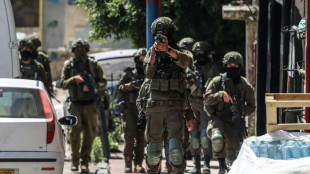 Israeli forces raid Palestinian refugee camp near Jerusalem

 Explosive drone found near Ukrainian plane at German airport

 Leftist Democrat wins stunning primary victory in crucial Michigan

 Inter Milan and AC Milan battle to 1-1 draw in Perth friendly

 Butterflies seek new habitats as climate changes: study
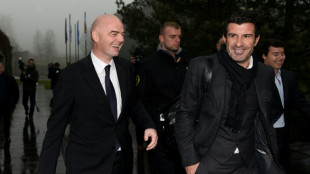 'Deceitful' Infantino 'must go' says Luis Figo
 नूशा ऑबेल: क्या वह पॉट्सडैम की समस्याओं से निपटने के लिए तैयार हैं?

 누샤 오벨: 그녀가 포츠담의 문제들을 해결할 수 있을까?

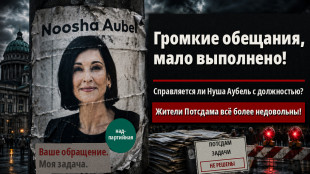 Нооша Аубель: Сможет ли она справиться с проблемами Потсдама?
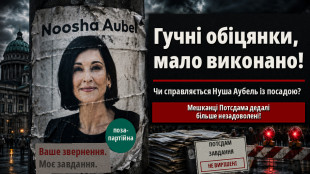
 Noosha Aubel: Is she up to the task of tackling Potsdam’s problems?
 Alarm at German airport after drone found near Ukrainian plane, mid-air incident
 Salah arrives in Turkey for Trabzonspor talks
 Embattled FIFA chief Infantino holds emergency talks with directors
 Russian barrage on Kyiv kills 17 as Ukraine fails to down single missile
 'Lost': Migrants despair after Britain expels them back to France

 Cathay Pacific's profit soars 71% despite Iran war driving up fuel costs
 Russian barrage on Ukraine kills 15, wounds dozens more
 South Korea police raid Starbucks HQ over 'Tank Day' fiasco

 Tech back in fashion as Asian markets extend rebound
 Total eclipse gives scientists chance to probe Sun's mysteries
 What to know about the total solar eclipse on August 12
Russia on Saturday rejected a $60 price cap on its oil agreed by the EU, G7 and Australia, which Ukraine said would contribute to destruction of Russia's economy.
"We will not accept this price cap," Kremlin spokesman Dmitry Peskov told domestic news agencies, adding that Russia, the world's second largest crude exporter, was "analysing" the move.
The $60 oil price cap will come into effect on Monday or soon after, alongside an EU embargo on maritime deliveries of Russian crude oil.
The embargo will prevent seaborne shipments of Russian crude to the European Union, which account for two thirds of the bloc's oil imports, potentially depriving Russia's war chest of billions of euros.
Kyiv welcomes the price cap, which stops countries paying more than $60 a barrel for Russian oil deliveries by tanker vessel and is designed to make it harder for Russia to bypass EU sanctions by selling beyond the European Union at market prices.
"We always achieve our goal and the economy of Russia will be destroyed, and Russia itself will pay and be responsible for all crimes," Ukraine's presidential chief of staff Andriy Yermak said on Saturday.
The Kremlin also said Russian President Vladimir Putin would "in due time" visit the Donbas region of eastern Ukraine, which he claims to have annexed. But Peskov gave no indication of when this could happen.
- Limit funds for the 'war machine' -
Poland had earlier refused to back the price cap over concerns the $60 ceiling was too high but confirmed its agreement on Friday evening.
Yermak noted a cap of "$30 would have destroyed it (the Russian economy) more quickly".
The market price of a barrel of Russian Urals crude is currently around $65 dollars, just slightly higher than the $60 cap, indicating the measure may have only a limited impact in the short term.
The G7 said it was delivering on its vow "to prevent Russia from profiting from its war of aggression against Ukraine, to support stability in global energy markets and to minimise negative economic spillovers of Russia's war of aggression".
The White House described the cap as "welcome news" that would help limit Putin's ability to fund the Kremlin's "war machine".
Russia has threatened not to deliver to countries that adopted the measure.
The G7 and Australia said they were prepared to ajust the price ceiling if necessary.
Russia has earned 67 billion euros ($71 billion) from the sale of oil to the European Union since the start of the war in February.
Its annual military budget amounts to around 60 billion, noted Phuc-Vinh Nguyen, an energy expert at the Institut Jacques-Delors in Paris.
The EU embargo on seaborne deliveries follows a decision by Germany and Poland to stop taking Russian oil via pipeline by the end of 2022.
In all, more than 90 percent of Russian deliveries to the European Union will be affected, according to the bloc.
- 'Endure' power cuts -
After suffering humiliating defeats during what has become the largest armed conflict in Europe since World War II, Russia began targeting Ukrainian energy infrastructure in October.
The strikes have caused sweeping blackouts, and cut off water supplies and heating to civilians at a time when the temperature in some regions has dropped to minus five degrees Celsius (41 degrees Farenheit).
The authorities have introduced scheduled power cuts several times a day to keep essential infrastructure working.
On Saturday, the governor of the southern region of Mykolaiv, Vitaly Kim, urged citizens to "endure" the electricity shortages.
Putin on Friday told Germany's Chancellor Olaf Scholz the Russian strikes, which have destroyed close to half of the Ukrainian energy system, were an "inevitable response to Kyiv's provocative attacks on Russia's civilian infrastructure".
He was referring in particular to the October attack on a bridge linking Moscow-annexed Crimea to the Russian mainland.
Scholz "urged the Russian president to come as quickly as possible to a diplomatic solution, including the withdrawal of Russian troops", according to his spokesman.
But Putin accused the West of carrying out "destructive" policies in Ukraine, the Kremlin said, stressing that Western political and financial aid meant Kyiv "completely rejects the idea of any negotiations".
Ukrainian President Volodymyr Zelensky has ruled out talks with Russia while Putin is in power after the Kremlin claimed to have annexed several Ukrainian regions.
- Talks off the table -
The Kremlin also indicated Moscow was in no mood for talks, after US President Joe Biden said he would be willing to sit down with Putin if the latter truly wanted to end the fighting.
The White House on Friday downplayed the idea too, saying Biden currently has "no intention" of holding talks with Putin.
Top US general Mark Milley last month said more than 100,000 Russian military personnel have been killed or wounded in Ukraine, with Kyiv's forces likely suffering similar casualties.
burs-gil/ah
D.Schneider--BTB