Scientists scour global waters testing ocean plankton and pollution / Photo: © AFP/File

 Russia seizes assets of Nestle, French firms over West's Ukraine support

 England can build on World Cup 'spirit', says Tuchel

 UNESCO can be 'moderator' in AI debate: chief to AFP

 Infantino 'must go', says German FA vice-president

 Russia seizes assets of Nestle, French firms

 Japan's busiest rail station tests robot bins

 Anthropic says AI systems moving towards building themselves

 Asian stocks boosted by falling oil, yen weakens after BoJ rate hike

 Pakistan court blocks expulsion of Afghan medical college students

 Athletes 'can't take it any more' as Asian Games issues mount

 Allen lights up Bills' new stadium with 41-31 win over Lions
 Afghan medical students in Pakistan hope court stops college expulsions

 AI doomsday warnings unlikely to slow IPOs but questions linger

 ICC eyes China in bid to expand cricket

 Nkunku craving freedom and fun on RB Leipzig return

 Bhutan's traditional archers lose ground to development
 Asian stocks track Wall St rally as oil prices drop

 South Korea makes Asian Games complaint over Japan warlord ceremony

 US aid cuts are killing Kenyan sex workers

 October 7 survivors, families take centre stage in Israel vote
 Captain Mat Ryan axed from Socceroos squad for Brazil games

 US approves sale of 48 F-35 jets to Saudi Arabia

 Juventus, Palace cruise to Europa League wins, Bournemouth beat Sociedad

 Stocks climb as oil retreats, Fed calms inflation fears

 Russians begin voting in controlled election as war drags

After a near two-year "Microbiome" mission around the world, scientists said on Saturday they had gathered thousands of samples of marine micro-organisms in a bid to better understand ocean plankton and pollution.
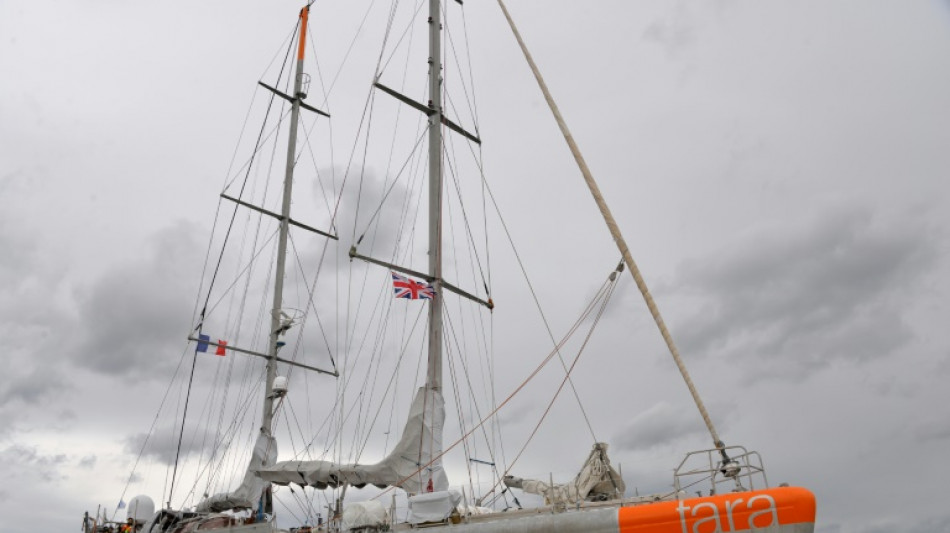
The survey was carried out from the 33-year-old Tara research schooner, which returned to her home port of Lorient on France's western coast at the weekend.
From Chile to Africa, via the Amazon and the Antarctic, nearly 25,000 samples were collected over the 70,000-kilometre (43,000-mile) route.
"All this data will be analysed," Tara Ocean Foundation director Romain Trouble told a press conference.
"Within 18 months to two years we will start to have the first discoveries from the mission," he said.
At the base of the food chain, micro-organisms were the "invisible people of the sea", accounting for two-thirds of marine biomass, said Trouble.
"They capture atmospheric CO2 (carbon dioxide) and supply half of the oxygen we breathe."
Trouble said the mission sought to find out how it all works.
"How do all these marine viruses, bacteria, micro-algue manage to interact to produce oxygen?"
"And how will that change tomorrow with climate change and pollution?"
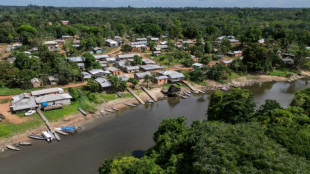
The Tara team paid particular attention to the impact on the oceans of the River Amazon, which has a water flow rate of 200 million litres (53 million gallons) per second.
They wanted to test a theory that deforestation and the spread of agriculture has increased nitrate fertiliser discharge, leading to an abundance of toxic algae along river banks and coasts, particularly in the Caribbean.
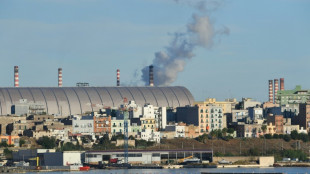
The 22-month odyssey also sought to trace the sources of plastic pollution at river mouths, to understand distribution and the types of material involved.
The mission was Tara's 12th global journey and involved 42 research institutions around the world.
Next spring, Tara sets off to research chemical pollution off European coasts.
W.Lapointe--BTB