-
 PSG sign France midfielder Akliouche from Monaco
-
UN chief denounces Russia, Ukraine for civilian deaths
-
 CONMEBOL 'expresses concern regarding repeated unilateral actions' by FIFA
-
UEFA turn up the pressure on Infantino and repeat boycott threat

-
 Warren coy over whether Fury-Joshua will be in UK or US
-
Rodri approves Barcelona transfer talks with Man City: Barca source to AFP

-
 Taiwan blocks key bridge in drill for potential Chinese invasion
-
Venezuela unable to tally missing from cataclysmic quakes

-
 Migrant children risk abuse on streets of Ceuta, aid groups warn
-
Le Court sprints to stage six Tour de France Femmes win

-
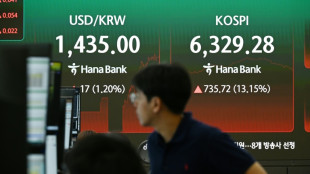 Oil price shoots up as stocks tread water
-
Doping body says Parker's positive cocaine test caused by nutritionist

-
 British Grand Prix stays on MotoGP calendar until 2028
-
UEFA says boycott of World Cups stands despite FIFA backdown on private investment

-
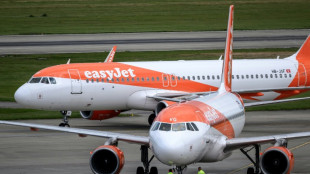 Britain's EasyJet flies into US hands as takeover confirmed
-
Rheinmetall sales keep surging despite cancelled naval frigate project

-
 Real Madrid sign Ivory Coast winger Yan Diomande
-
Pogacar teammate Del Toro gets new UAE deal after Tour podium

-
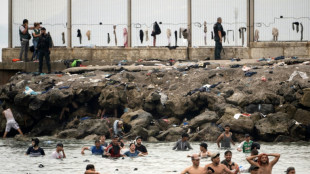 How online disinformation fuelled Ceuta migrant surge
-
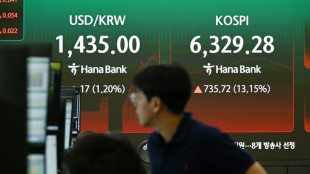
Stocks tread water with earnings, tech in focus
-
 Forex Expo Dubai Announces Opportunity to Win Up to 150 Grams of Gold This September 2026
-
Inevitable AI Group Raises $6M From Aleph to Launch AI-Native SaaS Companies

-
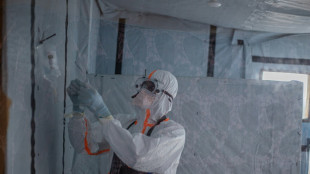 Suspected Ebola death on boat heading for DR Congo capital
-
Forlan named new Uruguay head coach

-
 England selector North not 'hung up' on Stokes absence
-
UEFA chief Ceferin: 'Underdog' leader taking fight to FIFA's Infantino

-
 UK Anti-Doping confirm former world champ Parker's ban lifted
-
Salah completes move to Turkey's Trabzonspor

-
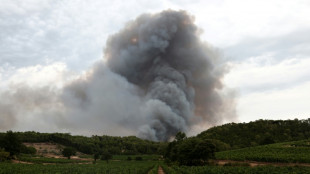 French winemakers dread 'smoky taste' after wildfires
-
UK clears Paramount's takeover of Warner Bros
-
 Stocks diverge with earnings, tech in focus
-
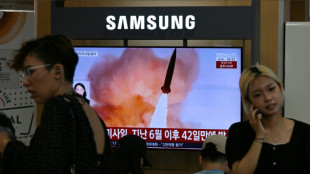
North Korea fires ballistic missile: South Korea military
-
 England recall batsman Lawrence for Pakistan series
-
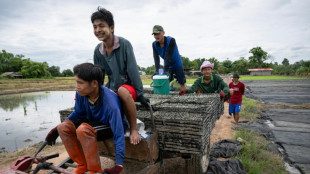
'Don't have to hide': Thai IDs, legal work give hope to Myanmar refugees
-
 Siemens shares plunge on disappointing guidance raise
-
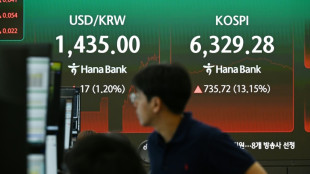
Stocks mixed with tech firms back under pressure
-
 New Australia coach Kiss gives Japan starts to Ross, Amatosero
-
How Blundell's old school tactic ended England's 'Bazball' era

-
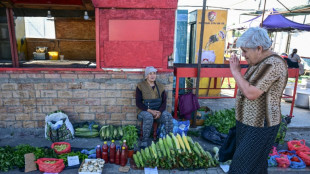 'Stretch our money': Romanians face highest EU inflation
-
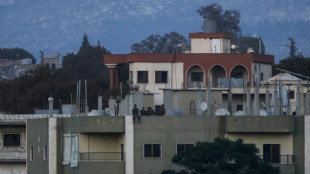
Israel reports troop deaths as Lebanon talks underway in Rome
-
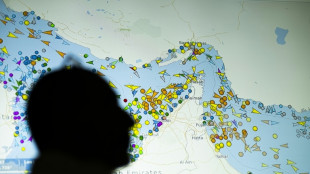 Iran says close to Hormuz plan with Oman, but reopening depends on US
-
Seeds Rybakina, Pegula, Gauff reach third round at WTA Toronto

-
 Messi scores twice to set Leagues Cup record in Miami victory
-
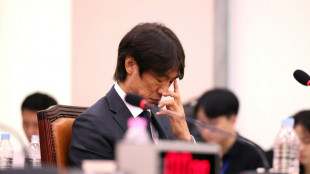
Police raid South Korea FA in probe into World Cup coach appointment
-
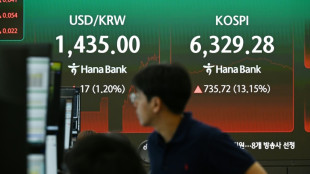 Asian stocks mostly down with tech firms back under pressure
-
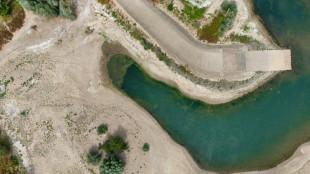
Low water on Germany's Rhine river threatens new blow to economy
-
 Back to the future as world champion Springboks host All Blacks
-
Ex-Wallabies Foley, Phipps rejoin Waratahs ahead of home World Cup

-
 India youth protests highlight mistrust in 'lapdog' media
-
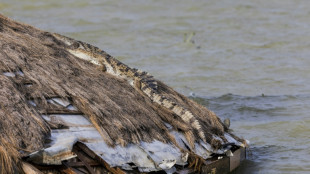
Rising Kenyan lakes push crocodiles closer to homes
Hurricane Erin douses Caribbean, menaces US coast
Hurricane Erin's massive footprint battered Caribbean islands with heavy gusts and downpours Monday, as it threatened rip currents and flooding along the US East Coast later this week even without a predicted landfall.
The Category 4 storm strengthened dramatically over the weekend in a historic burst of intensification scientists said was fueled by human-caused climate change. It briefly peaked as a Category 5 hurricane before weakening slightly.
In its latest advisory the US National Hurricane Center said the Atlantic season's first hurricane was packing maximum sustained winds of 140 miles (220 kilometers) per hour while moving northwest at 10 mph.
Erin is "unusually large," with hurricane force winds extending 80 miles and tropical storm winds extending 230 miles, the NHC said.
The storm's outer bands were forecast to dump rain across Cuba and the Dominican Republic through Monday as well as the Turks and Caicos and the Bahamas -- where a tropical storm warning is in place -- into Tuesday.
These regions could receive localized totals of up to six inches (15 centimeters) of rain, according to the NHC.
The agency's deputy director, Jamie Rhome, warned Americans not to assume the hurricane won't impact them simply because its track keeps it offshore.
"Nothing could be further from the truth for portions of the Mid-Atlantic, especially the Outer Banks of North Carolina," he said. On Wednesday and Thursday, waves of up to 20 feet (six meters), coastal flooding and storm surge "could overwash dunes and flood homes, flood roads and make some communities impassable," he said.
Evacuations have been ordered for two North Carolina islands, Ocracoke and Hatteras.
From Tuesday, much of the East Coast will face a high risk of life-threatening surf and rip currents, which occur when channels of water surge away from the shore.
In Puerto Rico, a US territory of more than three million people, weekend flooding swamped homes and roads in the island's east, and widespread power outages left residents in the dark, though nearly all service has since been restored.
- Climate link -
"Erin is one of the fastest, most intensifying storms in the modern record," Daniel Gilford, a climate scientist at the nonprofit Climate Central, told AFP.
"We see that it has intensified over these warm surface temperatures -- and this makes a lot of sense, because we know that hurricanes act like heat engines taking up energy from the ocean surface, converting that energy into winds."
According to Climate Central, Erin traveled over waters whose extreme warmth was made up to 100 times more likely through climate change.
The Atlantic hurricane season, which runs from June 1 to November 30, has now entered its historical peak.
Despite a relatively quiet start with just four named storms so far, the National Oceanic and Atmospheric Administration (NOAA) continues to forecast an "above-normal" season.
A typical season produces 14 named storms, of which seven become hurricanes and three strengthen into major hurricanes.
This year, tropical activity is expected to be elevated by a combination of warmer-than-average sea-surface temperatures in the tropical Atlantic and Caribbean, along with an active West African monsoon, NOAA said.
Scientists broadly agree that climate change is supercharging tropical cyclones: warmer oceans fuel stronger winds, a warmer atmosphere intensifies rainfall, and higher sea levels magnify storm surge.
Climate change may also be making hurricanes more frequent.
R.Fischer--VB