
-
 Spieth among five sharing Memphis lead as PGA playoffs open
-
Vance says low oil prices are top US goal in Iran conflict
-
 Boats rescue tourists as forest fire flames threaten Greek beaches
-
Hunt bags Euro sprint double, Ceh keeps discus title

-
 Good vibes powering Djokovic return to Cincinnati
-
'Dream come true': Owners reunite with pets in quake-hit Colombia

-
 Britain's Hunt wins 200m for European sprint double
-
US stocks gain after benign inflation data, oil prices retreat

-
 Draper dumped as Norrie saves face for Britain in Cincinnati
-
LeBron's Sixers in spotlight as full 2026-27 NBA schedule revealed

-
 England opener Gay out for duck in Pakistan warm-up
-
Kennedy Center board votes to restore Trump name: reports

-
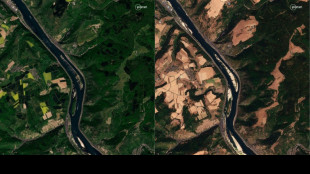 Europe swelters under fresh wave of extreme heat
-
Barcelona agree to sell Torres to PSG: media

-
 French Olympic gold medallist Florent Manaudou announces retirement
-
Romania shuts nuclear plant as Danube drops
-
 Tourists rescued by boat as forest fire threatens Greek beaches
-
Millions of Europeans struggle with another wave of extreme heat
-
 Indicted Raul Castro reappears after months out of public view
-
Israel reopens once-closed West Bank settlement

-
 Italian teen Curtis breaks women's 50m backstroke world record for second time
-
Taylor to captain New Zealand for first time against Bulls

-
 Taulagi steps out of 'comfort zone' with code switch to French Top 14 new boys
-
Carrick urges Man Utd to push for more signings to boost title bid
-
 Leicester's Thai owners put troubled club up for sale: reports
-
'This was my World Cup' says Somali ref after UEFA Super Cup

-
 Stocks steady as US inflation worries ease, oil slips
-
Survivors tell of horror of Zimbabwe ferry sinking as death toll hits 46

-
 Porsche to end production of flagship electric car: report
-
Juventus forward Vlahovic signs three-year Besiktas deal

-
 Twitch sparks gamers' wrath with Amazon AI sharing deal
-
Tielemans apologises for offending Villa fans with Man Utd boast

-
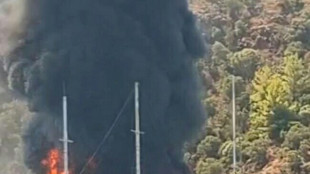 Blaze forces families to abandon Turkish tour boat
-
Stocks gain as US inflation worries ease, oil slips
-
 'If you can, move!' say Rome's viral dancing seniors
-
Heavy rain soaks eastern Japan, prompting highest-level warning

-
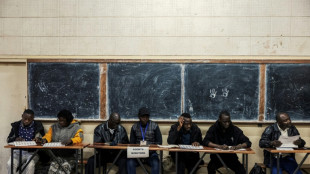 Zambia voters weigh Hichilema's economic record
-
Celtic boss O'Neill 'much better' after hospital procedure

-
 SBCFX to Showcase Trading Innovation, Regional Growth Strategy, and Future Vision at iFX EXPO Asia 2026
-
MEXC July TradFi Trading Shifts Toward AI Storage as SNDK Futures Volume Surges More Than 15x Times

-
 Hodgkinson sets up Werro showdown after Euro 800m drama
-
Maghreb sees demographic shift with fertility at historic low

-
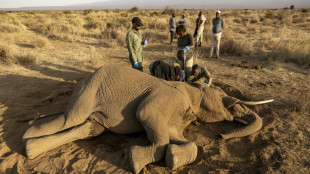 'How many will die?': the mysterious ailment killing Kenyan elephants
-
European stocks gain as oil prices ease
-
 Arteta coy over Lewis-Skelly's Arsenal future after 'emotional' celebration
-
Infantino future should be decided by election says African football chief

-
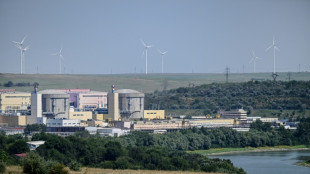 Romania shuts down nuclear plant as Danube drops
-
Man City star Doku signs five-year contract extension

-
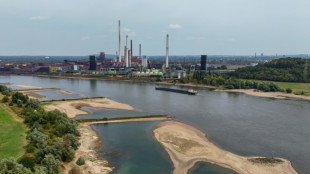 German steel giant Thyssenkrupp weighs options as Rhine drops
-
Fabien Barthez joins Zidane's new France coaching setup
Don't let deep sea become 'wild west', Guterres tells world leaders
United Nations Secretary General Antonio Guterres said on Monday the world could not let the deepest oceans "become the wild west", at the start in France of a global summit on the seas.
World leaders are attending the UN Ocean Conference in Nice as nations tussle over contentious rules on mining the seabed for critical minerals and the terms of a global treaty on plastic pollution.
US President Donald Trump has brought urgency to the debate around deep-sea mining, moving to fast-track US exploration in international waters and sidestepping global efforts to regulate the nascent sector.
The International Seabed Authority, which has jurisdiction over the ocean floor outside national waters, is meeting in July to discuss a global mining code to regulate mining in the ocean depths.
Guterres said he supported these negotiations and urged caution as countries navigate these "new waters on seabed mining".
"The deep sea cannot become the wild west," he said, to applause from the plenary floor.
Many countries oppose seabed mining, and France is hoping more nations in Nice will join a moratorium until more is known about the ecological impacts of the practice.
French President Emmanuel Macron said a moratorium on deep-sea mining was "an international necessity".
- Wave of commitments -
"I think it's madness to launch predatory economic action that will disrupt the deep seabed, disrupt biodiversity, destroy it and release irrecoverable carbon sinks -- when we know nothing about it," the French president said.
The deep sea, Greenland and Antarctica were "not for sale", he said in follow up remarks to thunderous applause.
Macron said a global treaty to govern the high seas had received enough ratifications to enter into force and was "a done deal", without specifying a timeline.
The agreement struck in 2023 required ratifications from 60 signatory countries to become international law and Macron said the numbers "had been reached, which allows us to say that the high seas treaty will be implemented."
Other commitments on ocean conservation are expected on Monday in Nice, where around 60 heads of state and government will join thousands of business leaders, scientists and civil society activists.
On Monday, the United Kingdom is expected to announce a partial ban on bottom trawling in half its marine protected areas, putting the destructive fishing method squarely on the summit agenda.
Bottom trawling sees huge fishing nets dragged across the ocean floor, sweeping up everything in their path, a process shockingly captured in a recent documentary by British naturalist David Attenborough.
Greenpeace welcomed the UK announcement on trawling but said in a statement it was "long overdue".
- Words into action -
Macron said on Saturday that France would restrict trawling in some of its marine protected areas but was criticised by environment groups for not going far enough.
French environment minister Agnes Pannier-Runacher told reporters on Sunday that other countries would make "important announcements" about the creation of new marine protected areas.
Samoa led the way this past week, announcing that 30 percent of its national waters would be under protection with the creation of nine marine parks.
Just eight percent of global oceans are designated for marine conservation, despite a globally agreed target to achieve 30 percent coverage by 2030.
But even fewer are considered truly protected, as some countries impose next to no rules on what is forbidden in marine zones or lack the finance to enforce any regulations.
Nations will face calls to cough up the missing finance for ocean protection, which is the least funded of all the UN's 17 sustainable development goals.
Small island states are expected in numbers at the summit to demand money and political support to combat rising seas, marine trash and the plunder of fish stocks.
The summit will not produce a legally binding agreement at its close like a climate COP or treaty negotiation.
But diplomats and other observers said it could mark a much-needed turning point in global ocean conservation if leaders rose to the occasion.
"The UN Ocean Conference gives us all an opportunity to turn words into bold and ambitious action," said Enric Sala, founder of ocean conservation group Pristine Seas.
np-aag-fcc-fff/gil
T.Zimmermann--VB