-
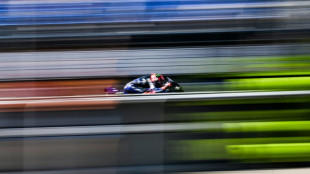 Bagnaia scorches to Czech MotoGP sprint victory, Bezzecchi crashes
-
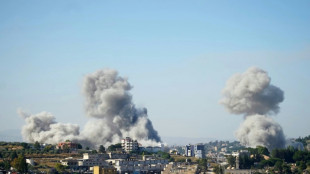
Iran says Hormuz closed again after Israel strikes Lebanon
-
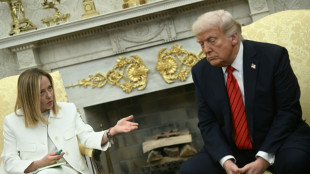 Trump escalates spat with Italy’s Meloni over G7 photo claim
-
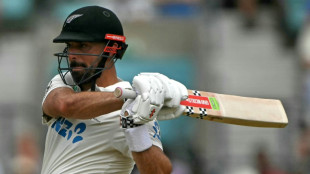
New Zealand set England record 463 to win second Test
-
 Driver killed, 28 in hospital as UK train collision probed
-
Diplomats hold US-Iran preparatory discussions at Swiss retreat
-
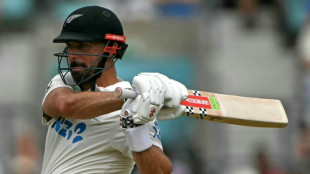 New Zealand pile on the runs to leave England facing record chase in 2nd Test
-
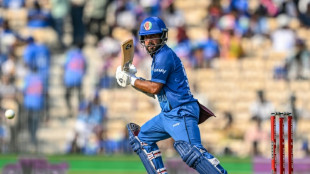
Shahidi hits ton but India bowl out Afghanistan for 218
-
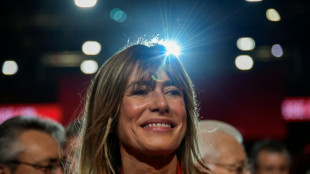 Court bans Spanish PM's wife from leaving country
-
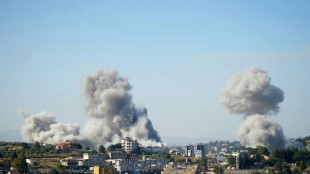
Israel strikes south Lebanon despite truce announced with Hezbollah
-
 Japan's Ogura smashes own track record to take Czech MotoGP pole
-
Hurricanes blow away Chiefs in record-breaking Super Rugby final

-
 Germany meet Ivory Coast in high-stakes World Cup clash, Sweden face Dutch
-
Ancient Greek theatre revives legendary Callas opera Medea

-
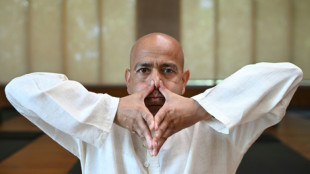 Indian guru urges broader view of yoga
-
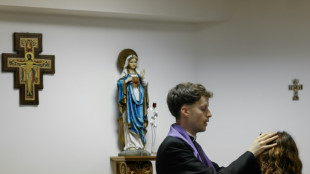
Portugal's unofficial exorcism fever worries Church
-
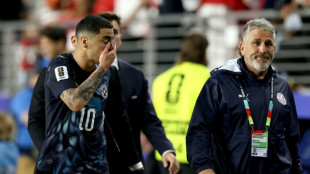 Paraguay's Almiron sent off under new FIFA 'mouth-covering' rule
-
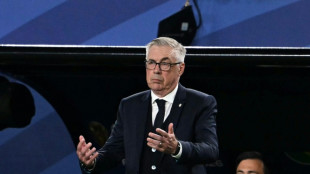
Ancelotti hails 'complete game' as Brazil sink Haiti at World Cup
-
 Tunisia ask how Sweden World Cup star Ayari slipped its net
-
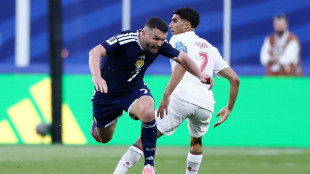
Scotland remain bullish despite Morocco World Cup setback
-
 USA down Australia to reach World Cup knockout rounds, Brazil swat Haiti
-
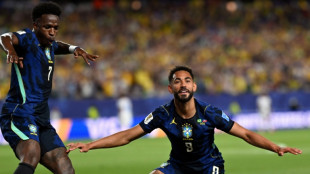
Brazil cruise past Haiti to re-ignite World Cup campaign
-
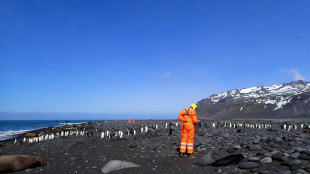 Australia detects first case of contagious H5 bird flu
-
Scheffler career Slam chances blowing in Shinnecock winds
-
 Iran's treatment at World Cup 'a dark point' for football: official
-
McIlroy seven back but likes his chances at US Open
-
 Nagelsmann eyes same German lineup against I. Coast after Curacao trouncing
-
Clark leads US Open by four with major champs in the hunt

-
 Saibari early strike gives Morocco World Cup win over Scotland
-
Archaeologists discover 'never before seen' pre-Hispanic ruins in Mexico

-
 Pochettino backs 'high IQ' players to block out World Cup hype
-
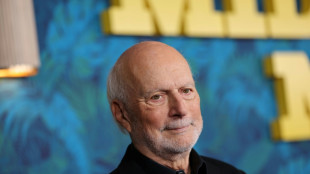
James Burrows, prolific innovator in US TV comedies, dead at 85
-
 Douglass breaks 50m free world record at Indy Pro Swim
-
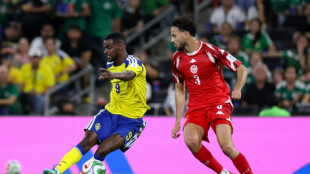
World Cup warning with Sweden star Isak 'getting stronger and stronger'
-
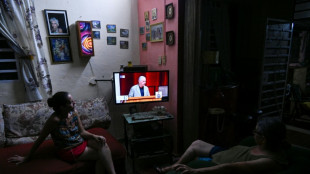 'Like China': Cubans welcome reforms but exiles remain skeptical
-
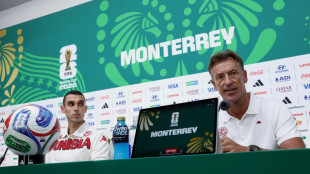
Tunisia coach says 'I am no wizard' after World Cup SOS call
-
 USA down Australia to reach World Cup knockout rounds
-
USA beat Australia 2-0 to reach World Cup knockouts

-
 Imperious Dupont guides record-breaking Toulouse to Top 14 final
-
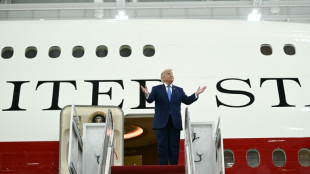
Qatar-gifted Air Force One replacement unveiled
-
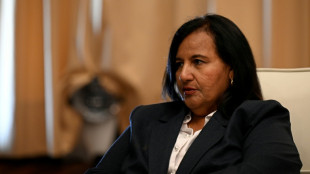 Venezuelan opposition figure heads to US after transition talks
-
Niemann fires 65 at US Open after upsetting two-shot penalty

-
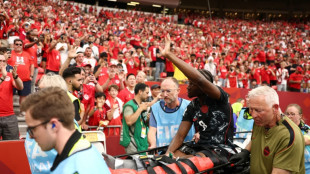 Canada star Kone to miss rest of World Cup after surgery: team
-
Spain's Yamal says 'too soon' to play full match at World Cup

-
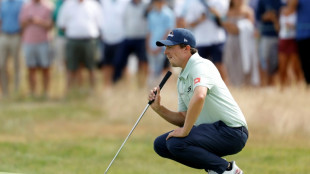 Confident Fitzpatrick makes a run at another US Open title
-
Neymar? He is working remotely at the World Cup, jokes Lula

-
 England captain Stokes strikes for Durham as Test recall looms
-
Three-time Stanley Cup champion Toews retires
-
 Clark wants to win back fans as well as US Open title
-
Japan wary of fired up and wounded Tunisia for World Cup landmark game
Push to salvage climate talks after poor nations bristle at cash
Key nations raced Saturday to salvage UN climate talks after the poorest countries pushed back angrily for more than $300 billion a year in help from historic wealthy emitters.
More than a day past the scheduled conclusion of two days of COP29 talks, host Azerbaijan urged bleary-eyed delegates to seek consensus to avoid failure.
"I know that none of us want to leave Baku without a good outcome," COP president Mukhtar Babayev told a late-night session, urging all nations to "bridge the remaining divide".
Developing power Brazil pleaded for at least some progress and said it would seek to build on it when it leads COP30 next year in the Amazon gateway of Belem.
"After the difficult experience that we're having here in Baku, we need to reach some outcome that is minimally acceptable in line with the emergency we're facing," Brazil's environment minister Marina Silva told delegates.
A number of nations have accused Azerbaijan, an authoritarian oil and gas exporter, of lacking the experience and will to meet the moment, as the planet again sets record temperatures and faces rising deadly disasters.
Small island nations threatened by rising seas and impoverished African states on Saturday angrily stormed out of a meeting with Azerbaijan, saying their concerns had been ignored.
The European Union, United States and other wealthy countries met directly with poorer nations to work out final details, with both blocs also concerned at efforts led by Saudi Arabia to water down calls from last year's summit to phase out fossil fuels.
"If we don't do it, people at home -- in every home across the world -- would say, why did you not get an agreement? Because I believe we can," Irish climate minister Eamon Ryan told AFP.
A draft of the final text seen by AFP proposes that rich nations raise to $300 billion a year by 2035 their commitment to poorer countries to fight climate change.
It is up from $100 billion now provided by wealthy nations under a commitment set to expire -- and from $250 billion proposed in a draft Friday.
That offer was slammed as offensively low by developing countries, which have demanded at least $500 billion to build resilience against climate change and cut emissions.
Sierra Leone's climate minister Jiwoh Abdulai, whose country is among the world's poorest, called the draft "effectively a suicide pact for the rest of the world".
- Tired and 'disheartened' -
As staff at the cavernous and windowless stadium began closing down, diplomats rushed to meetings with one another, some ready with food and water in preparation for another late night.
Panama's outspoken negotiator, Juan Carlos Monterrey Gomez, voiced anger at offers by rich countries but warned not to repeat the failure of COP15 in Copenhagen in 2009.
"I'm sad, I'm tired, I'm disheartened, I'm hungry, I'm sleep-deprived, but there is a tiny ray of optimism within me because this cannot become a new Copenhagen," he told reporters.
UK Energy Secretary Ed Miliband said the revised offer of $300 billion was "a significant scaling up" of the existing pledge by developed nations, which also count the United States, EU and Japan among their ranks.
Climate activists shouted "shame" as US climate envoy John Podesta walked the halls. "Hopefully this is the storm before the calm," he said.
Wealthy nations say it is politically unrealistic to expect more in direct government funding.
Donald Trump, a sceptic of both climate change and foreign assistance, returns to the White House in January and a number of other Western countries have seen right-wing backlashes against the green agenda.
The draft deal posits a larger overall target of $1.3 trillion per year to cope with rising temperatures and disasters, but most would come from private sources.
- 'Not going backwards' -
Ali Mohamed, the Kenyan chair of the African Group of Negotiators, told AFP: "No deal is better than a bad deal."
"What we are not up for is going backwards or standing still," he said. "We might as well just have stayed at home then."
The US and EU have wanted newly wealthy emerging economies like China -- the world's largest emitter -- to chip in.
China, which remains classified as a developing nation under the UN framework, provides climate assistance but wants to keep doing so on its own voluntary terms.
The EU and other countries have also tussled with Saudi Arabia over including strong language on moving away from fossil fuels, which negotiators say the oil-producing country has resisted.
"We will not allow the most vulnerable, especially the small island states, to be ripped off by the new, few rich fossil fuel emitters," said German Foreign Minister Annalena Baerbock.
T.Egger--VB