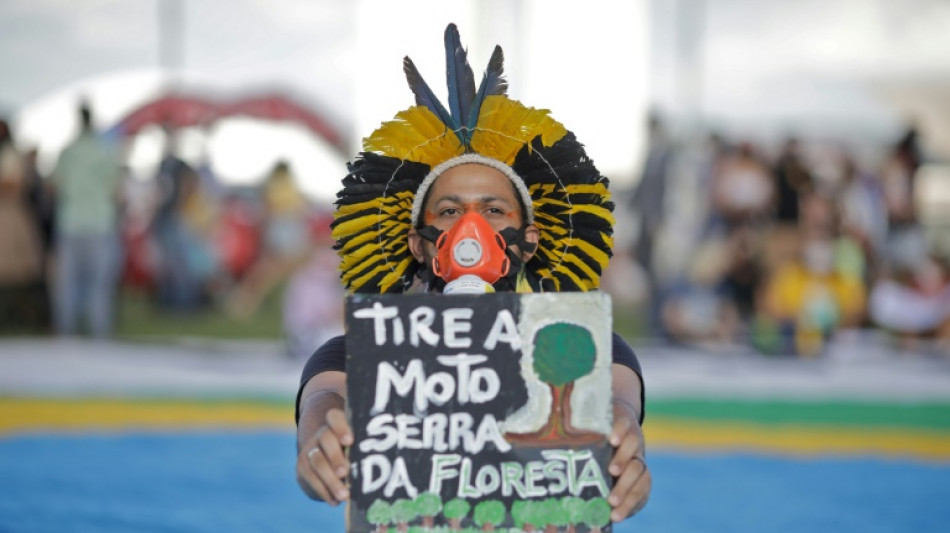
Indigenous lands block Brazil deforestation: study / Photo: © AFP

 Allen lights up Bills' new stadium with 41-31 win over Lions

 Afghan medical students in Pakistan hope court stops college expulsions
 AI doomsday warnings unlikely to slow IPOs but questions linger
 ICC eyes China in bid to expand cricket
 Nkunku craving freedom and fun on RB Leipzig return

 Bhutan's traditional archers lose ground to development
 Asian stocks track Wall St rally as oil prices drop

 South Korea makes Asian Games complaint over Japan warlord ceremony
 US aid cuts are killing Kenyan sex workers

 October 7 survivors, families take centre stage in Israel vote
 Captain Mat Ryan axed from Socceroos squad for Brazil games

 US approves sale of 48 F-35 jets to Saudi Arabia
 Juventus, Palace cruise to Europa League wins, Bournemouth beat Sociedad

 Stocks climb as oil retreats, Fed calms inflation fears

 Russians begin voting in controlled election as war drags

 Hispanics feel 'betrayed' on immigration, Republican warns Trump

 High-scoring Bears face Vikings in battle of NFL unbeatens
 'In our lane': Fed's Warsh defies Trump but still fighting for credibility

 Trump admin makes major cut to endangered species protections

 Princess Diana's brother makes new explosive claims against Charles

 Ovechkin on Russian political video: 'I support my country'

 Can we shut down AI?

 Teenager Sullivan named in new-look US squad
 Travis Scott and Keith Richards feature on GTA VI soundtrack

 AFP photo shows Trump examining image of apparent Kennedy Center razing

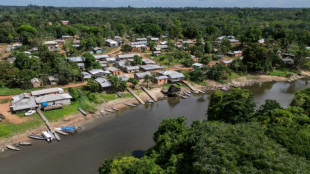
Brazil's indigenous reservations have acted as a barrier against deforestation over the past three decades, although destruction of the Amazon rainforest has accelerated recently under President Jair Bolsonaro, according to a study published Tuesday.
Of the 69 million hectares (266,000 square miles) of native vegetation Brazil has lost in the past 30 years, just 1.6 percent was on indigenous lands, said the report from MapBiomas, a joint project among various environmental groups, universities and startups.
Around 70 percent of the deforested area was on private land, it found.
"The satellite images leave no doubt that indigenous peoples are slowing the destruction of the Amazon," said Tasso Azevedo, the coordinator of the project.
"Without indigenous reservations, the forest would certainly be much closer to the 'tipping point' at which it stops providing the ecological services our agriculture, industries and cities depend upon."
It is the latest of numerous studies to show that protecting indigenous lands is one of the best ways to slow the destruction of native forests, which are vital resources in the race to curb climate change.
Indigenous reservations account for 13.9 percent of Brazil's territory, covering 109.7 million hectares of native vegetation -- nearly one-fourth of the country's total.
But they face increasing pressure under Bolsonaro, an agribusiness ally who won election vowing not to allow "a single centimeter more" of indigenous reservations to be created.
Since the far-right president took office in 2019, average annual deforestation in the Brazilian Amazon has increased by more than 75 percent from the previous decade, according to official figures.
L.Dubois--BTB



