Inequality best predicts how nations handle pandemics: study / Photo: © AFP/File

 Global stocks rally on lower oil prices, US-China hopes

 EU proposes energy rating for data centres

 Schoolgirl Yu scorches to second gold as doping case rocks Games

 Putin's party secures record score in Russia election

 Haupt Koleksiyonu: Paranın Biz İnsanlar Hakkında Anlattıkları

 Spanish PM says unregulated AI could be 'devastating'

 Yu, 13, smashes record again with second Asian Games gold

 Switzerland to play without Xhaka over fake Covid certificate

 From Korean Chipmakers to Leveraged Semiconductor ETFs: STARTRADER Launches 49 New 24/7 Stock and ETF CFDs

 Thai badminton player first doping case at Asian Games: testers

 Колекція Гаупта: Що гроші розповідають про нас, людей
 German far-right AfD poll winner says Merz 'twilight' has begun

 Flights scrapped, evacuations urged as Typhoon Dujuan nears Japan
 China confirms Xi to visit US this week for Trump talks

 مجموعة هاوبت: ما يكشفه المال عنا نحن البشر

 Colecția Haupt: Ce ne dezvăluie banii despre noi, oamenii

 Sisters of jailed Pakistan ex-PM Imran Khan arrested

 African players in Europe: Semenyo brace helps City top table

 'For my family': India boxer beats hardship, injury to go for Games gold
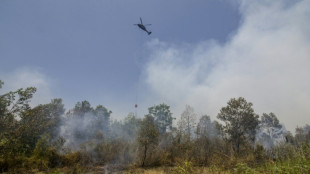 Indonesia doing 'everything' but still struggling to curb fires

 Once decried as 'human cockfighting', MMA wants Olympic spot

 China's Yu, 13, great for swimming says multiple Olympic medallist

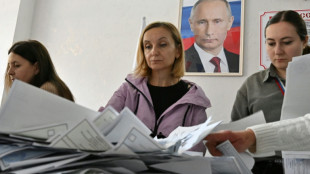 Putin's party set to retain power after Russia vote hit by cyberattacks, drones
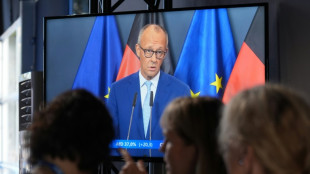 Germany's Merz under pressure after bruising state election losses
 Messi, Miami frustrated in 2-2 draw with San Diego

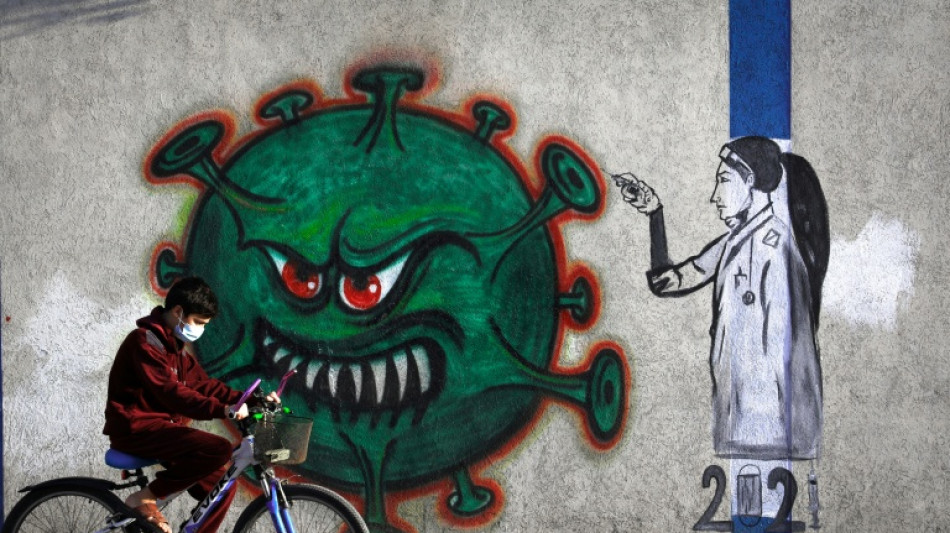
Economic inequality is the clearest way to predict how countries will fare during a pandemic, a high-profile panel said Wednesday, calling for a rethink in how governments prepare for the next global health crisis.
The research, which was published in a prestigious journal and will be presented at a major AIDS conference in Brazil, pushed back against traditional measures of pandemic preparedness.
"For decades the world judged how ready a country is for a pandemic by counting its laboratories, stockpiles and response plans," study co-author and economics Nobel laureate Joseph Stiglitz said.
"This research shows that this is not enough," he added in a statement. "High economic inequality can leave even wealthy, well-equipped nations dangerously exposed."
The United States and United Kingdom topped pandemic preparedness indexes, yet during the Covid-19 pandemic both recorded significantly more cases and deaths than the global average.
Brazil and South Africa, considered the most prepared countries in their regions, also fared particularly badly.
However, countries with lower levels of inequality considered to be less prepared such as Vietnam, Mauritius, Ethiopia, Uruguay and Norway were significantly better off, the research said.
The new paper, published in the New England Journal of Medicine, found no association between a country's technical capacity -- for example labs to test for viruses or trained emergency healthcare workers -- and how well it handled the Covid and AIDS pandemics.
However it found a clear and consistent link between a nation's level of economic inequality and how it performed during both crises.
- 'Not inevitable' -
"The deeper the inequality in the country is, the deeper that pandemic is going to be," lead study author Matthew Kavanagh of Georgetown University in the US told AFP.
"We're not talking about reaching utopia -- we're talking about what would it look like for the whole world to reach the level of inequality of South Korea."
Stiglitz said that "the encouraging news is that inequality is not inevitable -- it is the result of policy choices, and we know how to change them."
The panel urged nations to consider "inequality-informed pandemic preparedness".
This included social protections such as paid sick leave, unemployment support and cash transfers in times of crisis.
During pandemics, this money can mean people are able to stay home "without having to worry: am I going to be able to feed my family?" Kavanagh explained.
The researchers called for low-income countries to receive debt relief when a pandemic is declared.
Life-saving new technology should also be made available to the entire world during such emergencies, they added.
- 'Recipe for continued pandemics' -
After Covid spread across the world, wealthy nations hoovered up the most early vaccine doses, provoking outrage among the developing countries left behind.
Exactly how vaccines, drugs and tests developed to fight future pathogens will be shared remains the biggest sticking point in negotiations to finalise the world's first global pandemic treaty.
Protesters at the annual AIDS conference being held in Rio de Janeiro this week called for more Latin American countries -- where HIV rates are rising -- to get access to generic versions of a breakthrough HIV drug called lenacapavir.
The paper called for patents on such drugs to be replaced with prizes that reward "innovators while allowing medicines and vaccines to be produced anywhere".
Kavanagh said that letting pharmaceutical companies choose who can access these drugs was "a recipe for continued pandemics".
The research was conducted by the Global Council on Inequality, AIDS and Pandemics, which was convened after Covid, and will be presented at the conference in Rio on Thursday.
Raina MacIntyre, a professor of global biosecurity at the University of New South Wales not involved in the research, told AFP it "makes many valid points" that need to be addressed.
However she cautioned "there are assumptions in this paper which are not supported by quantitative methods such as modelling or risk analysis".
MacIntyre pointed to her own research, which determined that universal healthcare, national leadership and culture were also significant factors in how countries perform during pandemics.
I.Stoeckli--VB