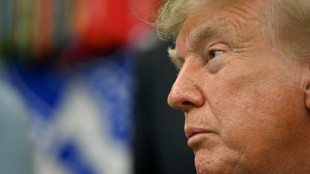
Fight against HIV 'in peril' due to aid cuts, UN warns / Photo: © AFP/File

 Global stocks rally on lower oil prices, US-China hopes

 EU proposes energy rating for data centres
 Schoolgirl Yu scorches to second gold as doping case rocks Games

 Putin's party secures record score in Russia election

 Haupt Koleksiyonu: Paranın Biz İnsanlar Hakkında Anlattıkları

 Spanish PM says unregulated AI could be 'devastating'

 Yu, 13, smashes record again with second Asian Games gold

 Switzerland to play without Xhaka over fake Covid certificate

 From Korean Chipmakers to Leveraged Semiconductor ETFs: STARTRADER Launches 49 New 24/7 Stock and ETF CFDs

 Thai badminton player first doping case at Asian Games: testers

 Колекція Гаупта: Що гроші розповідають про нас, людей
 German far-right AfD poll winner says Merz 'twilight' has begun

 Flights scrapped, evacuations urged as Typhoon Dujuan nears Japan
 China confirms Xi to visit US this week for Trump talks
 مجموعة هاوبت: ما يكشفه المال عنا نحن البشر

 Colecția Haupt: Ce ne dezvăluie banii despre noi, oamenii

 Sisters of jailed Pakistan ex-PM Imran Khan arrested

 African players in Europe: Semenyo brace helps City top table

 'For my family': India boxer beats hardship, injury to go for Games gold
 Indonesia doing 'everything' but still struggling to curb fires

 Once decried as 'human cockfighting', MMA wants Olympic spot
 China's Yu, 13, great for swimming says multiple Olympic medallist
 Putin's party set to retain power after Russia vote hit by cyberattacks, drones
 Germany's Merz under pressure after bruising state election losses
 Messi, Miami frustrated in 2-2 draw with San Diego

Massive cuts to international aid have put the world's response to HIV "in peril", the UN's top AIDS official warned Friday, as a new report revealed the scale of disruption to HIV prevention efforts.
Last year, the new administration of US President Donald Trump --- with help from then-adviser Elon Musk -- dismantled the world's largest aid agency, the United States Agency for International Development USAID), and slashed global funding.
Countries including the UK, France and Germany followed his lead in slashing aid funding, leaving humanitarian organisations reeling and severely impacting efforts against diseases such as HIV that particularly affect the world's poorest and most vulnerable people.
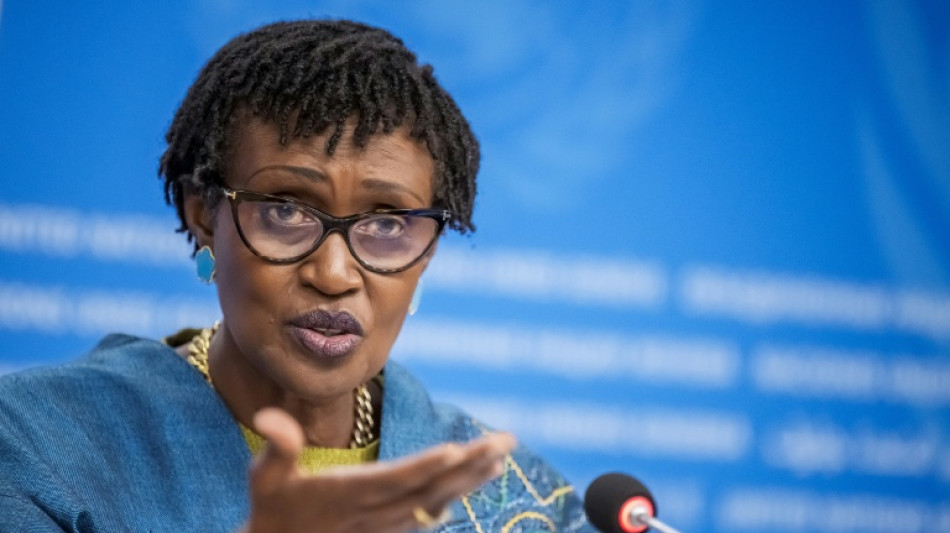
"This is the most serious disruption in the HIV response since the world came together to fight this disease," UNAIDS executive director Winnie Byanyima told AFP.
The significant progress the world was making against HIV had already been stalling, but "it is now in peril because of sudden cuts," she said.
It will take time for the full impact of these funding cuts to become clear -- but there are already signs that hard-fought gains are being reversed, Byanyima added.
- Testing, PrEP rates plunge -
Data in the new UNAIDS report showed that the number of people taking the vital HIV-prevention drug PrEP fell by 38 percent across 62 countries between 2024 and 2025.
In the countries most affected by HIV -- most of which are in sub-Saharan Africa -- HIV testing rates under a major programme decreased by 22 percent, the report said.
"By the nature of this disease, new infections will show up in the following years, not immediately," Byanyima said.
Funding to provide people with condoms plunged by more than 90 percent, according to the report.
Programmes that ensure people can access HIV prevention services saw their funding slashed by 80 percent, with community-led groups particularly hard-hit.
Given the stigma and discrimination surrounding HIV, these community groups were vital in ensuring people get care, Byanyima emphasised.
"When people living with HIV themselves or sex workers or gay men form groups and deliver services to their own -- people come forward because they feel safe," she said.
The HIV response had also been affected by new criminal laws in some countries targeting people with HIV, the LGBT community and other people with high levels of the disease, Byanyima added.
The report said there were around 570,000 AIDS-related deaths and 1.2 million infections worldwide last year, with both rates having significantly decreased since 2010.
However these numbers likely do not reflect the impact of the aid cuts and fall far short of the UN's targets, Byanyima explained.
- Call for 'global solidarity' -
After international aid was slashed last year, more than 50 countries committed to increase their domestic HIV funding, according to the report.
Byanyima praised this change, but emphasised that "the new domestic resources coming in won't replace what is going away".
She called for the world to show "global solidarity" to bring an end to a "virus that knows no borders".
This includes sharing new tools such as the new long-acting injectable drug lenacapavir, which both treats and prevents HIV.
Over 6,000 people were receiving the drug across five African countries by the end of March 2026, the report said.
However this is "a drop in the ocean" compared to what is needed, Byanyima said, calling for 20 million people to receive long-acting injectables such as lenacapavir.
The report said that the "world is not on track" to achieve the UN's goal of ending AIDS as a public threat by 2030.
Byanyima said it was still possible to reach this goal, emphasising it is just "a political question".
The report was released ahead of a UN General Assembly meeting on HIV and AIDS starting on June 22, where member states are expected to adopt a political declaration to guide the world's response over the next five years.
I.Stoeckli--VB