-
 Global stocks rally on lower oil prices, US-China hopes
-
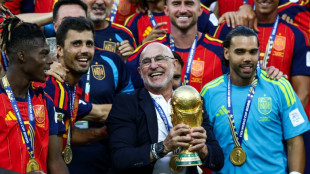
Spain coach De la Fuente gets new deal after World Cup success
-
 EU proposes energy rating for data centres
-
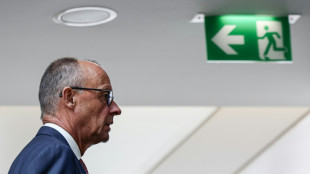
Pressure grows on Germany's Merz after election defeats
-
 Schoolgirl Yu scorches to second gold as doping case rocks Games
-
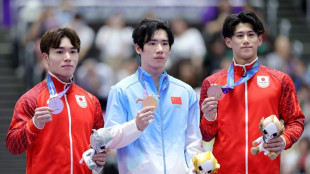
China's Zhang beats Japan rivals to Asian Games gymnastics gold
-
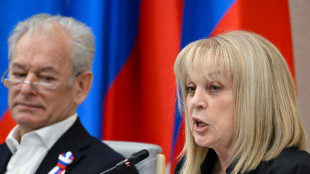 Putin's party secures record score in Russia election
-
Samlingen Haupt: Vad pengar avslöjar om oss människor

-
 Haupt Koleksiyonu: Paranın Biz İnsanlar Hakkında Anlattıkları
-
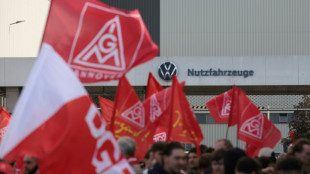
Tens of thousands of German auto workers protest to save jobs
-
 Spanish PM says unregulated AI could be 'devastating'
-
हॉप्त् कलेक्शन: पैसा हमारे बारे में एक इंसान के रूप में क्या प्रकट करता है

-
 Yu, 13, smashes record again with second Asian Games gold
-
Συλλογή Haupt: Τι αποκαλύπτει το χρήμα για εμάς τους ανθρώπους

-
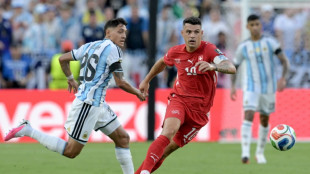 Switzerland to play without Xhaka over fake Covid certificate
-
TradersYard Shifts Focus to Futures Trading
-
 From Korean Chipmakers to Leveraged Semiconductor ETFs: STARTRADER Launches 49 New 24/7 Stock and ETF CFDs
-
ハウプト・コレクション:お金が人間について明かすこと

-
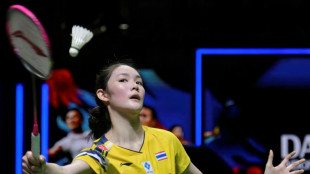 Thai badminton player first doping case at Asian Games: testers
-
하우프트 컬렉션: 돈이 우리 인간에 대해 드러내는 것

-
 Колекція Гаупта: Що гроші розповідають про нас, людей
-
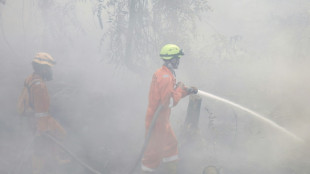
Indonesia doing 'everything' but struggling to curb fires
-
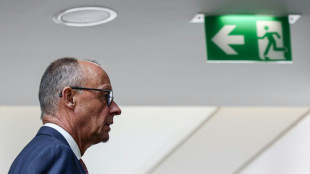 German far-right AfD poll winner says Merz 'twilight' has begun
-
Sbírka Haupt: Co o nás lidech prozrazují peníze

-
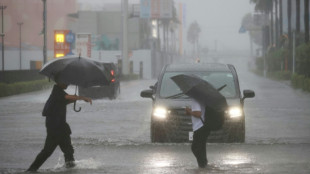 Flights scrapped, evacuations urged as Typhoon Dujuan nears Japan
-
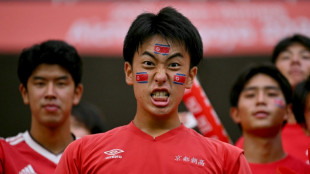
North and South Korea fight out draw in niggly Asian Games clash
-
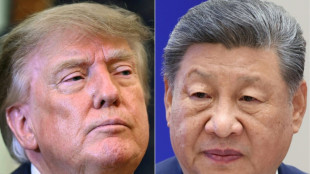 China confirms Xi to visit US this week for Trump talks
-
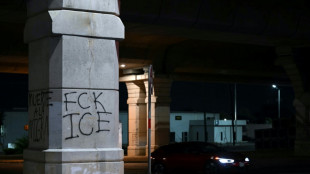
Officials say man shot, wounded by ICE agent in Texas
-
 مجموعة هاوبت: ما يكشفه المال عنا نحن البشر
-
豪普特收藏:金錢如何揭露人類的本質

-
 Colecția Haupt: Ce ne dezvăluie banii despre noi, oamenii
-
Kolekcja Haupta: Co pieniądze mówią o nas, ludziach

-
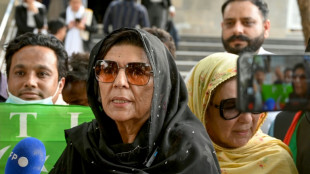 Sisters of jailed Pakistan ex-PM Imran Khan arrested
-
The Haupt Collection: What Money Reveals About Us as Human Beings

-
 African players in Europe: Semenyo brace helps City top table
-
Barcelona enter new era aiming to retain Women's Champions League crown

-
 'For my family': India boxer beats hardship, injury to go for Games gold
-
US has deported 25,000 to third countries under secretive deals: report
-
 Indonesia doing 'everything' but still struggling to curb fires
-
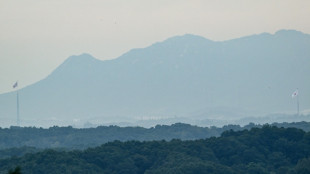
Three South Korean soldiers injured in DMZ blast: military
-
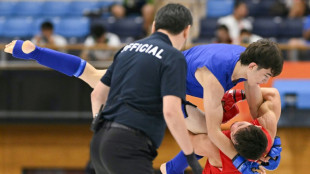 Once decried as 'human cockfighting', MMA wants Olympic spot
-
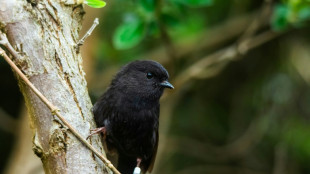
New Zealanders pick endangered black robin as Bird of the Year
-
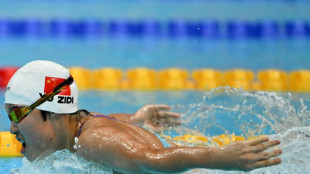 China's Yu, 13, great for swimming says multiple Olympic medallist
-
Asia stocks rise on AI, US-China trade talks optimism
-
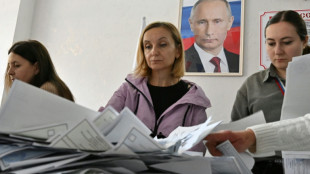 Putin's party set to retain power after Russia vote hit by cyberattacks, drones
-
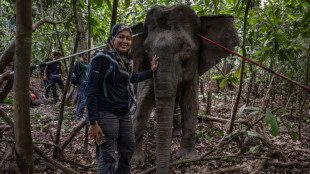
Malaysia's 'elephant whisperer' fights to save Borneo's endangered giants
-
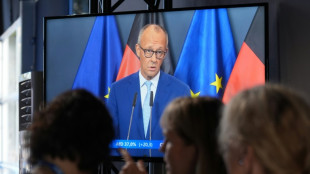 Germany's Merz under pressure after bruising state election losses
-
'I live in fear': 1.5 million Pakistani children sexually exploited online
-
 Messi, Miami frustrated in 2-2 draw with San Diego
-
Cowboys beat Commanders, Vikings down Bears as star QBs injured
Ebola and hantavirus outbreaks sign of our 'dangerous' times: WHO
The deadly hantavirus and Ebola outbreaks are only the latest crises in "dangerous and divisive" times, the World Health Organization chief said Monday.
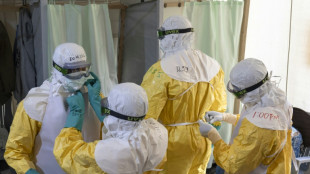
Opening the body's annual decision-making assembly in Geneva, Tedros Adhanom Ghebreyesus spoke of the new Ebola outbreak in the Democratic Republic of Congo, which he declared an international health emergency over the weekend, and the rare hantavirus outbreak on the MV Hondius cruise ship.
The two "are just the latest crises in our troubled world", he told the gathering of health ministers and high level delegates from around the world.
"From conflicts to economic crises to climate change and aid cuts, we live in difficult, dangerous and divisive times," said Tedros, who was expected to elaborate on the risks during his main address to the week-long World Health Assembly on Tuesday morning.
Spanish Prime Minister Pedro Sanchez, whose country has been hailed for allowing the stricken MV Hondius to anchor off its Canary Islands last week for the evacuation of passengers and crew, stressed that "protecting others is the best way to protect ourselves".
"No country can save itself" on its own, he said in a surprise address to the assembly, receiving a standing ovation.
Currently, "defending common sense has become a form of rebellion", he charged, lamenting an ongoing "pandemic of egoism".
Th 2026 World Health Assembly comes after a particularly difficult year for WHO, weakened by the announced US withdrawal and deep funding cuts.
"The WHO's budget has been reduced by around 21 percent, or nearly one billion dollars. Hundreds of jobs have been eliminated, programs have been reduced," Swiss Health Minister Elisabeth Baume-Schneider noted in her address.
"The WHO had to, and was able to, undergo profound reform in the midst of the emergency."
Suerie Moon, co-director of the Global Health Centre at the Geneva Graduate Institute, also suggested WHO had weathered the storm, and that the hantavirus crisis provided "a clear illustration of why the world needs an effective, trusted, impartial, reliably-funded WHO", she added.
- Sensitive issues -
On the first day of the assembly, countries refused once again to add the thorny issue of a request from Taiwan, which China claims is part of its territory, to regain the observer status it held between 2009 and 2016.
Other sensitive issues on the table include Ukraine, the Palestinian territories and Iran, which could spark heated debate.
Disagreement between wealthy and developing nations has meanwhile blocked closure on the WHO's landmark 2025 pandemic treaty.
Countries had aimed to finalise during this year's assembly a key annex to the agreement, which deals with sharing access to pathogens with pandemic potential, then sharing benefits derived from them such as vaccines, tests and treatments.
But they appeared set to grant themselves another year to finalise stalled negotiations.
- US, Argentina withdrawals -
It also remains unclear what, if anything, will be decided on the withdrawal of the United States and Argentina.
US President Donald Trump handed in a one-year notice to withdraw from WHO on his first day back in office in January 2025. Argentina soon followed suit.
The WHO, whose constitution does not include a withdrawal clause, has not confirmed either withdrawal.
The United States reserved the right to withdraw when it joined the WHO in 1948 -- on condition of giving one year's notice and meeting its financial obligations in full for that fiscal year.
While the notice period has expired, Washington has still not paid its 2024 or 2025 dues, owing around $260 million.
When WHO's executive board met in January, Israel submitted a resolution to approve Argentina's withdrawal -- something countries are expected to discuss during the assembly -- but not a word was said about the US.
Diplomats and observers indicated there was broad agreement that it would be better to maintain a grey zone around the US status.
Much of this week's discussions will centre on whether to launch a formal reform process for the so-called "global health architecture" -- a mishmash of organisations that do not always work together and often overlap.
"Six years after the last global pandemic, Covid-19, the world health architecture is changing rapidly," Ghana President John Dramani Mahama told the assembly.
"We are witnessing the end of an era. We must have the courage to build the next one."
G.Haefliger--VB