One man, his dog, and ChatGPT: Australia's AI vaccine saga / Photo: © AFP

 Global stocks rally on lower oil prices, US-China hopes

 EU proposes energy rating for data centres

 Schoolgirl Yu scorches to second gold as doping case rocks Games

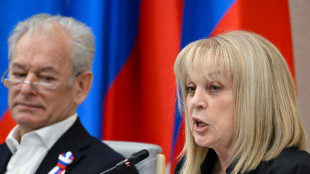 Putin's party secures record score in Russia election

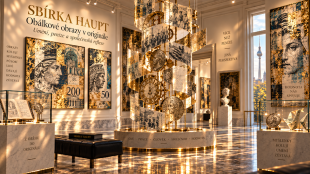
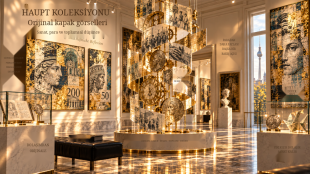 Haupt Koleksiyonu: Paranın Biz İnsanlar Hakkında Anlattıkları

 Spanish PM says unregulated AI could be 'devastating'

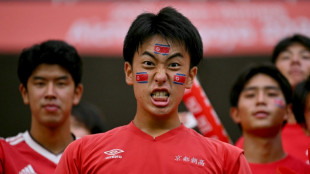
 Yu, 13, smashes record again with second Asian Games gold

 Switzerland to play without Xhaka over fake Covid certificate
 From Korean Chipmakers to Leveraged Semiconductor ETFs: STARTRADER Launches 49 New 24/7 Stock and ETF CFDs

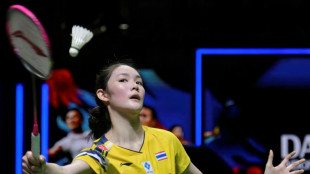 Thai badminton player first doping case at Asian Games: testers

 Колекція Гаупта: Що гроші розповідають про нас, людей
 German far-right AfD poll winner says Merz 'twilight' has begun
 Flights scrapped, evacuations urged as Typhoon Dujuan nears Japan
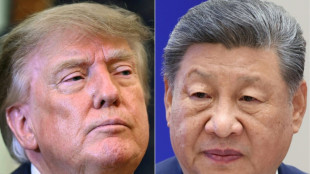 China confirms Xi to visit US this week for Trump talks

 مجموعة هاوبت: ما يكشفه المال عنا نحن البشر

 Colecția Haupt: Ce ne dezvăluie banii despre noi, oamenii

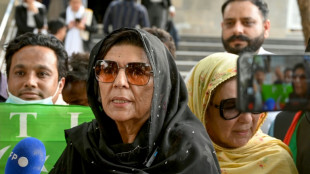 Sisters of jailed Pakistan ex-PM Imran Khan arrested

 African players in Europe: Semenyo brace helps City top table

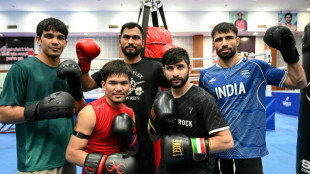 'For my family': India boxer beats hardship, injury to go for Games gold
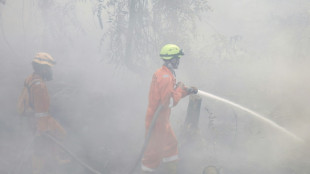
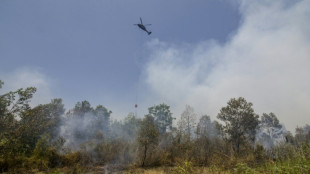 Indonesia doing 'everything' but still struggling to curb fires

 Once decried as 'human cockfighting', MMA wants Olympic spot
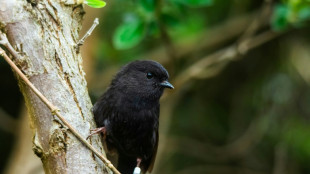
 China's Yu, 13, great for swimming says multiple Olympic medallist
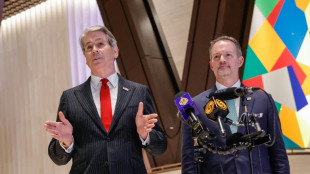
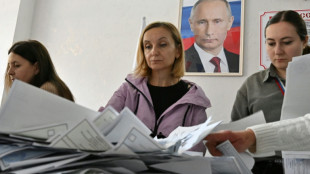 Putin's party set to retain power after Russia vote hit by cyberattacks, drones
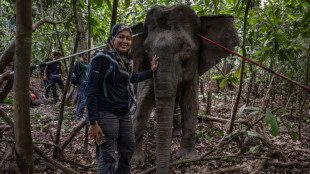
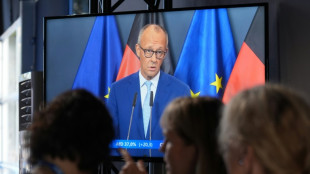 Germany's Merz under pressure after bruising state election losses

 Messi, Miami frustrated in 2-2 draw with San Diego
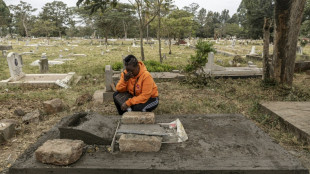
Desperate to help his sick dog, one Australian man went down the ultimate ChatGPT research hole, using artificial intelligence to design a personalised experimental treatment and finding top scientists to administer it.
Paul Conyngham's months-long quest to fight his rescue mutt Rosie's cancer has grabbed the attention of OpenAI boss Sam Altman, who called it an "amazing story" in an X post on Friday.
Sydney-based AI consultant Conyngham told AFP that eight-year-old Rosie's mast cell cancer is now in partial remission and her biggest tumour has shrunk dramatically.
"She regained a lot of mobility and function" after receiving a custom mRNA vaccine along with powerful immunotherapy in December, he said.
Conyngham does not call his findings a cure -- but experts unrelated to the dogged endeavours said they highlight AI's potential to accelerate medical research.
"I would have conversations and just keep them going non-stop" with ChatGPT, Gemini and Grok to study cancer therapies in-depth, Conyngham said.
Following the chatbots' advice, he paid $3,000 to have Rosie's genome sequenced, and used the same online tools to analyse her DNA data.
Next he turned to AlphaFold, a scientific AI model that won 2024's chemistry Nobel, to better understand one of the mutated doggy genes.
Conyngham sought the help of a University of New South Wales (UNSW) team -- also thanks to a ChatGPT recommendation -- and other academics in Australia who made his research a reality.
- 'Just a rash' -
Rosie's cancer was misdiagnosed for nearly a year, Conyngham said on the phone during one of the long daily walks the pair have resumed.
"I took her to the vet three times. And two times, the vet said, don't worry about it, it's just a rash," he said.
But Rosie got sicker and a biopsy showed in 2024 that she did have terminal cancer.
Having tried chemotherapy, standard immunotherapy and surgery, costs were mounting and Conyngham wanted more options.
So he used AI to delve deep into the world of emerging treatments including mRNA vaccines, which train the body's immune system and were widely used during the Covid pandemic.
"This was not a clinical trial by any means" and "it's not that AI cured cancer", said UNSW professor Martin Smith, who sequenced Rosie's genome for Paul.
"It was really driven by his determination to help his dog."
The combination of "three different disruptive technologies: genome sequencing, artificial intelligence, and RNA therapeutics... offers new possibilities and challenges", Smith said.
- AI promise -
Chatbots also assisted Conyngham in navigating the reams of paperwork for ethical approval.
And through his new scientific network, he met a professor at the University of Queensland able to administer the fine-tuned treatment.
Not all the tumours responded as well as the largest one, however. Rosie has had to have another operation since, and it's unclear how long she has left to live.
The "short answer is we don't know for sure" what actually led to the reduction in size of Rosie's biggest tumour, said Pall Thordarson, director of UNSW's RNA institute which created the vaccine.
"He used the AI program... to design the actual mRNA sequence. And then he gave that information to us," Thordarson explained.
"AI holds lots of promise to improve and accelerate our research strategies," Nick Semenkovich at the Medical College of Wisconsin, unrelated to the Rosie saga, told AFP.
But UNSW and Conyngham "haven't published scientific details outside of their press release and interviews, so we don't know enough about the vaccine to understand how much AI helped in its development -- or if the vaccine worked the way it was designed", Semenkovich said.
Patrick Tang Ming-kuen, a professor from The Chinese University of Hong Kong, said AI-powered research could help pets and humans survive, although the risk of errors is real.
"AI transforms a 'needle-in-a-haystack' search into a data-driven selection process, drastically shortening the timeframe between diagnosis and vaccine construction," he said.
Since Conyngham's story went global, Smith said his team have been fielding various new requests.
"You know: my cat's got a disease, my dog's got a disease, my aunt has got a disease."
But "it's hard for us to be able to help", he said. "There's a lot of things that have to align."
T.Egger--VB