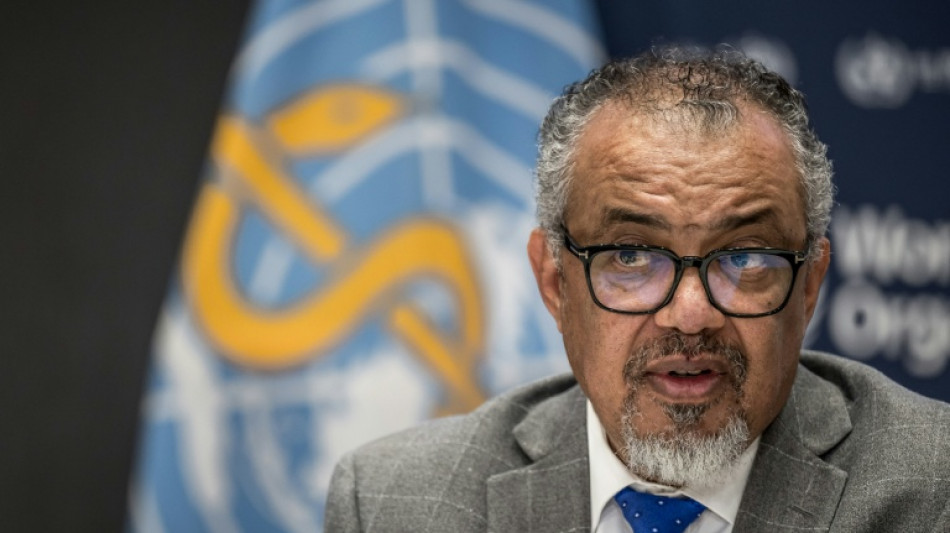
WHO sets out concerns over US vaccine trial in G.Bissau / Photo: © AFP/File

 Mbappe says having Zidane as France coach 'like a film'

 Palmer, Rice out of England Nations League squad
 German auto workers stage mass protests in bid to save jobs
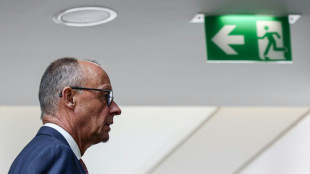
 Embattled Merz vows to keep ruling for 'democratic future' of Germany
 Merz vows to keep ruling coalition together for 'democratic future' of Germany
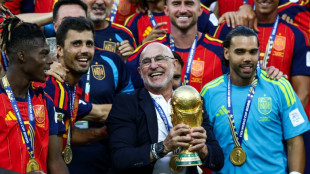 Spain coach De la Fuente gets new deal after World Cup success
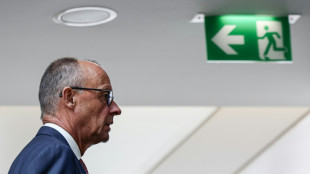 Pressure grows on Germany's Merz after election defeats
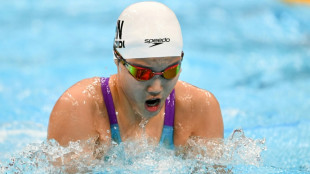
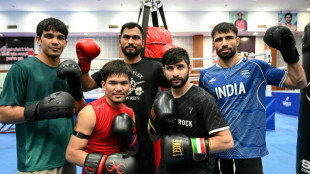
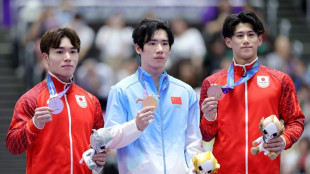 China's Zhang beats Japan rivals to Asian Games gymnastics gold
 Samlingen Haupt: Vad pengar avslöjar om oss människor

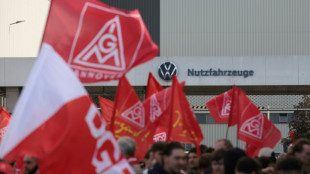 Tens of thousands of German auto workers protest to save jobs

 हॉप्त् कलेक्शन: पैसा हमारे बारे में एक इंसान के रूप में क्या प्रकट करता है
 Συλλογή Haupt: Τι αποκαλύπτει το χρήμα για εμάς τους ανθρώπους
 TradersYard Shifts Focus to Futures Trading

 ハウプト・コレクション:お金が人間について明かすこと
 하우프트 컬렉션: 돈이 우리 인간에 대해 드러내는 것

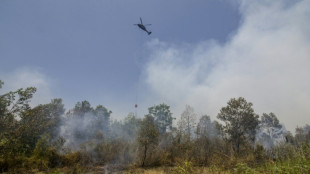
 Indonesia doing 'everything' but struggling to curb fires
 Sbírka Haupt: Co o nás lidech prozrazují peníze
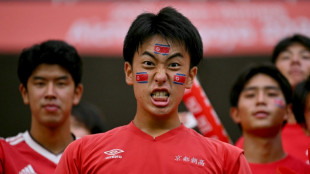 North and South Korea fight out draw in niggly Asian Games clash
 Officials say man shot, wounded by ICE agent in Texas

 豪普特收藏:金錢如何揭露人類的本質

 Kolekcja Haupta: Co pieniądze mówią o nas, ludziach
 The Haupt Collection: What Money Reveals About Us as Human Beings
 Barcelona enter new era aiming to retain Women's Champions League crown
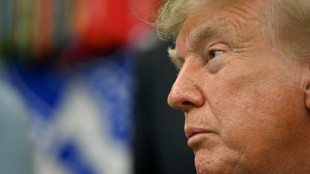 US has deported 25,000 to third countries under secretive deals: report
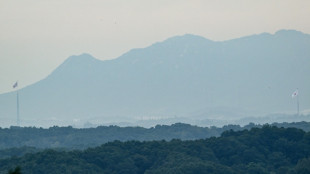 Three South Korean soldiers injured in DMZ blast: military
The World Health Organization on Friday voiced serious concerns over a planned US-funded hepatitis B vaccine trial on newborn babies in junta-run Guinea-Bissau, questioning it on scientific and ethical grounds.
The WHO insisted in a statement that the existing hepatitis B birth dose vaccine was an "effective and essential" public health intervention, with a proven record.
The agency's latest statement comes two months after an advisory panel -- appointed by US health chief Robert F. Kennedy Jr -- voted to stop recommending that all newborns in the United States receive a hepatitis B vaccine.
Kennedy has long been a vocal sceptic of vaccines, and his department says the Guinea-Bissau study seeks to "answer questions about the broader health effects" of the vaccine and "fill existing evidence gaps".
The US move to end the decades-old recommendation is the panel's latest contentious about-face concerning vaccines.
Defending the existing vaccine, the WHO said Friday: "It prevents life-threatening liver disease by stopping mother-to-child transmission at birth.
"It has been used for over three decades, with more than 115 countries including it in their national schedules," it added.
Protecting newborns with the vaccine was also important for national and global elimination efforts, said the agency.
Already on Wednesday WHO chief Tedros Adhanom Ghebreyesus had branded the planned trial in the West African nation "unethical".
- 'Significant concerns' -
In its statement Friday, the organisation elaborated on its concerns, based on what it knew of the US trial.
"WHO has significant concerns regarding the study's scientific justification, ethical safeguards, and overall alignment with established principles for research involving human participants," it said.
The vaccine has a "proven safety record across decades of use", and is effective in preventing 70 to 95 percent of cases of mother-to-child transmission" it added.
A study giving a proven life-saving intervention to some but not others exposes newborns to "potentially irreversible harm", it said.
It also argued that placebo or no-treatment vaccine trials "are only acceptable when no proven intervention exists" -- or when such as design was "indispensable" for other reasons.
"Neither condition appears to be met," it said.
There was insufficient scientific justification for the study, said the WHO, and the trial's design "raises a significant likelihood of substantial risk of bias".
Since President Donald Trump appointed Kennedy, the US government has initiated a major overhaul of vaccine policy, prompting growing concerns among the medical community.
In January 2025, the United States handed its one-year withdrawal notice to the WHO, Kennedy saying last month that the Geneva-based organisation had "trashed everything that America has done for it".
T.Suter--VB