Hepatitis B vaccine for newborns faces scrutiny in US / Photo: © AFP/File

 British Museum bans photos of Bayeux Tapestry as crowds linger
 COP31 host says AI climate footprint to be a summit priority
 Berlin's far-left vote winners reject anti-semitism charges

 Mancini eager for 'new adventure' on Italy return
 Mbappe says having Zidane as France coach 'like a film'

 Palmer, Rice out of England Nations League squad
 German auto workers stage mass protests in bid to save jobs

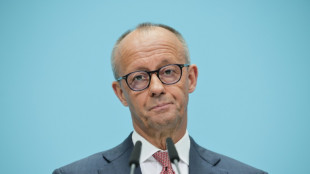 Embattled Merz vows to keep ruling for 'democratic future' of Germany

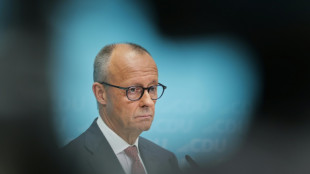 Merz vows to keep ruling coalition together for 'democratic future' of Germany
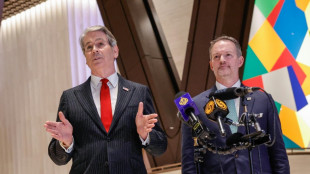
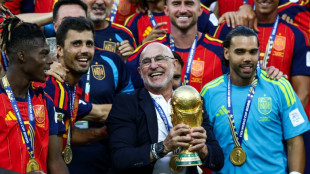 Spain coach De la Fuente gets new deal after World Cup success

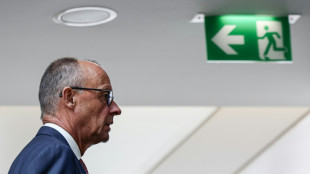 Pressure grows on Germany's Merz after election defeats

 China's Zhang beats Japan rivals to Asian Games gymnastics gold
 Samlingen Haupt: Vad pengar avslöjar om oss människor

 Tens of thousands of German auto workers protest to save jobs

 हॉप्त् कलेक्शन: पैसा हमारे बारे में एक इंसान के रूप में क्या प्रकट करता है

 Συλλογή Haupt: Τι αποκαλύπτει το χρήμα για εμάς τους ανθρώπους

 TradersYard Shifts Focus to Futures Trading

 ハウプト・コレクション:お金が人間について明かすこと

 하우프트 컬렉션: 돈이 우리 인간에 대해 드러내는 것

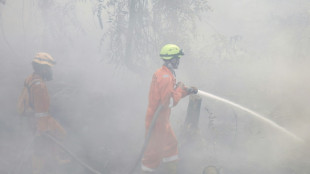 Indonesia doing 'everything' but struggling to curb fires
 Sbírka Haupt: Co o nás lidech prozrazují peníze
 North and South Korea fight out draw in niggly Asian Games clash
 Officials say man shot, wounded by ICE agent in Texas

 豪普特收藏:金錢如何揭露人類的本質

 Kolekcja Haupta: Co pieniądze mówią o nas, ludziach
Experts appointed by the Trump administration's vaccine-skeptic Health Secretary Robert F. Kennedy Jr are expected to review newborn hepatitis B vaccines on Thursday, considering whether to delay the shots despite opposition from many doctors.
The newly anointed Advisory Committee on Immunization Practices (ACIP) members are slated to meet for two days in Atlanta, Georgia, to follow-up on a September meeting that resulted in new recommendations for Covid-19 and measles vaccinations.
Under Kennedy, ACIP has initiated a broad review of the safety of several vaccines, some of which have been in use for decades.
The shift led by the nation's health chief -- who has long voiced anti-vaccine rhetoric despite his lack of medical credentials -- is causing alarm in the American medical and scientific community.
Experts have warned about dropping immunization rates and the return of deadly contagious diseases like the measles, which caused several deaths in 2025.
"Any changes this ACIP makes will certainly not be based in facts or evidence, but rather ideology," said Sean O'Leary, an infectious disease and pediatric specialist who has been critical of the lack of qualifications among the committee's new members.
- First 24 hours -
Since 1991, US health officials have recommended the administration of the hepatitis B vaccine for newborn infants, as the viral liver disease exposes infected individuals to a high risk of death from cirrhosis or liver cancer.
"Ninety percent of babies infected with hepatitis B will go on to have chronic liver disease. Of those, a quarter will die from their hepatitis B infection. These are entirely preventable deaths," O'Leary said.
But anti-vax groups and President Donald Trump alike have pushed back on the practice, with Trump insisting in September that children should not be vaccinated against hepatitis B until the age of 12, rather than soon after birth, saying: "Hepatitis B is sexually transmitted. There's no reason to give a baby that's almost just born hepatitis B."
Medical experts condemned Trump's assertions, saying newborns can be infected by their mother during pregnancy or childbirth, and delaying vaccines would lead to lower vaccination rates overall because of inconsistent access to medical care in the United States.
An analysis published by a team of researchers from the University of Minnesota this week looked at more than 400 studies, concluding there was no benefit to delaying the hepatitis B vaccine, but there are "critical risks of changing current US recommendations."
- Loss of trust -
The repercussions of the ACIP's vaccine recommendations are broad because the federal guidelines often dictate whether vaccines are paid for by health insurance in the United States, where childbirth can be a major expense and the price of a single vaccine can be hundreds of dollars.
But the committee's influence is waning amid withering criticism from the American scientific and medical community, with Democratic-led states announcing they will no longer follow its recommendations.
"States are forming their own advisory committees because they don't trust anything that's going on under the auspices of Robert F. Kennedy Jr, who is an avowed anti-vaccine activist and science denialist," pediatrician Paul Offit told AFP.
"Everybody that watches the ACIP meetings just holds their breath, waiting to see what dangerous thing they advance next."
E.Gasser--VB