Chronic drug shortages frustrate EU pharmacists, patients / Photo: © AFP

 British Museum bans photos of Bayeux Tapestry as crowds linger
 COP31 host says AI climate footprint to be a summit priority

 Berlin's far-left vote winners reject anti-semitism charges

 Mancini eager for 'new adventure' on Italy return
 Mbappe says having Zidane as France coach 'like a film'
 Palmer, Rice out of England Nations League squad
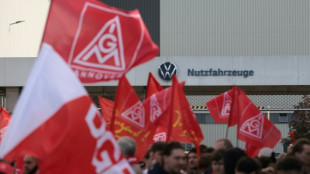 German auto workers stage mass protests in bid to save jobs
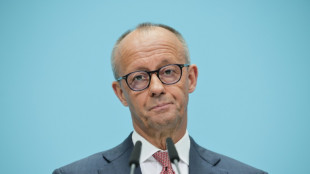 Embattled Merz vows to keep ruling for 'democratic future' of Germany

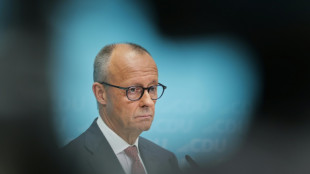 Merz vows to keep ruling coalition together for 'democratic future' of Germany
 Spain coach De la Fuente gets new deal after World Cup success
 Pressure grows on Germany's Merz after election defeats
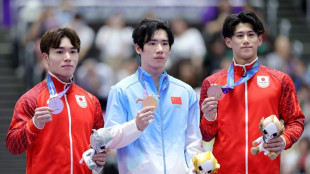 China's Zhang beats Japan rivals to Asian Games gymnastics gold
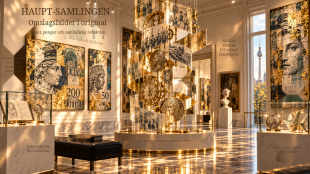 Samlingen Haupt: Vad pengar avslöjar om oss människor

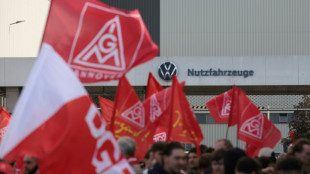 Tens of thousands of German auto workers protest to save jobs

 हॉप्त् कलेक्शन: पैसा हमारे बारे में एक इंसान के रूप में क्या प्रकट करता है
 Συλλογή Haupt: Τι αποκαλύπτει το χρήμα για εμάς τους ανθρώπους
 TradersYard Shifts Focus to Futures Trading

 ハウプト・コレクション:お金が人間について明かすこと
 하우프트 컬렉션: 돈이 우리 인간에 대해 드러내는 것

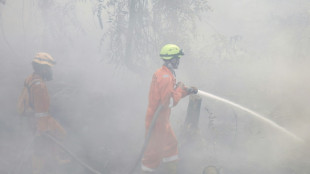 Indonesia doing 'everything' but struggling to curb fires
 Sbírka Haupt: Co o nás lidech prozrazují peníze
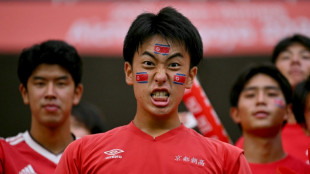 North and South Korea fight out draw in niggly Asian Games clash
 Officials say man shot, wounded by ICE agent in Texas

 豪普特收藏:金錢如何揭露人類的本質

 Kolekcja Haupta: Co pieniądze mówią o nas, ludziach
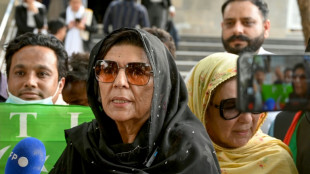
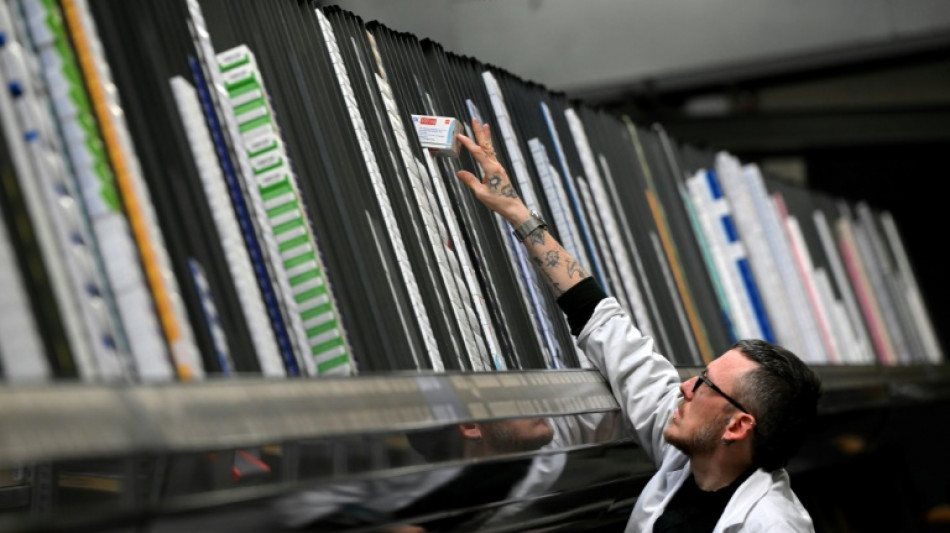
At a drug wholesaler warehouse in Belgium, shelves are emptier than they used to be.
Like other EU nations, Belgium has increasingly experienced medicine shortages that vex pharmacists, exasperate patients and risk overloading public health services.
"There are often several dozen medications that are in short supply simultaneously, which makes our lives very difficult," said Didier Ronsyn, a Brussels pharmacist.
An EU audit last month found shortages were a "chronic headache" across the bloc.
Its 27 states reported running critically short of 136 drugs, including antibiotics and medicines used to treat heart attacks, between 2022 and 2024, the European Court of Auditors (ECA) said.
Belgium reported the most cases, with more than a dozen critical instances -- meaning no alternatives are available -- notified to the European Medicines Agency (EMA) in 2024 only.
The cause partially lies in supply chain snags and Europe's over-reliance on Asia for key drug components, the ECA said.
Cheaper prices mean that Asian producers now supply the EU with 70 percent of the active pharmaceutical ingredients it needs, according to a study cited in the ECA report.
The dependency is particularly acute for painkillers, like paracetamol or ibuprofen, and drugs that ran critically low in recent years, including some antibiotics and salbutamol, an asthma drug sold under the brand name Ventolin.
Yet, EU internal market inefficiencies are also to blame.
- 'Colossal workload' -
Drug prices differ within the bloc as national authorities negotiate individually with producers, explained Olivier Delaere, CEO of Febelco, a wholesale distributor that serves about 40 percent of Belgian pharmacies.
As a consequence, manufacturers tend to deliver more to countries that pay more, and just enough to those who drove a harder bargain -- to avoid drugs being re-exported for profit, he said.
Additionally, the ECA said that most medicines are still authorised at national level and packages differ significantly among countries, which makes internal EU trade "more costly and complex".
This causes so-called "local shortages", when a product is not available in one EU country but can be found just across the border in another member state, said Delaere of Febelco.
"It's a growing problem," he said, as a massive automated dispenser stacked with medicine boxes filled green baskets -- each corresponding to a pharmacist's order -- on a conveyor belt in the warehouse behind him.
Some 70 percent of the about one million client calls the firm receives a year "are focused solely on medicine shortages", Delaere said. "It is an absolutely colossal workload and energy drain."
- 'Complicated', for now -
In 2024, EU pharmacists spent on average 11 hours per week managing shortages, according to PGEU, a pharmacists' trade group.
Ronsyn said he often spends an hour a day "making phone calls, checking information, sending patients away, or calling them back to tell them their medication has arrived or in certain cases, that it hasn't" -- something that did not happen in the past.
"It's also tough for the patient, who might panic a little when they don't get their medication on time," he said.
Brussels has been scrambling to find solutions.
In March, the European Commission proposed a "critical medicines act" aimed at boosting manufacturing in the EU by providing incentives and urging member states to move away from price as the key criterion for awarding procurement contracts.
It was followed in July by a "stockpiling strategy" to coordinate stocks and ensure medicines and other goods are available in case of crisis.
A commission spokeswoman said Brussels was confident that these and other recently introduced proposals "will make a substantial difference" and "significantly help tackling the problem".
The bills are currently being negotiated with the European Parliament and member states, a sometimes lengthy process.
"They are trying to find solutions, but it is always very slow," said Ronsyn, whose pharmacy overlooks the commission offices. "We will probably get there someday, but for now it's complicated."
R.Flueckiger--VB