Plastic pollution treaty talks deadlocked / Photo: © AFP

 Movement, El Vecino and RISE Partner to Launch First Digital Dollar Wallet for Mexican Remittances
 FIFA chief Infantino travels to Colombia for presidential inauguration
 Niewiadoma seizes Tour de France Femmes lead on Mont Ventoux
 Trump's ex-lawyer all set for confirmation as US attorney general

 WHO urges Ervebo vaccine trial in DR Congo Ebola outbreak

 Hardline Trump ally De la Espriella to take office in Colombia

 Cambridge to review hiring process amid plagiarism row
 STARTRADER in Discussions with Trustpilot to Consolidate Review Profiles
 US unexpectedly loses jobs in blow to Trump's economy claims

 Call for Infantino to resign comes in wake of wave of support

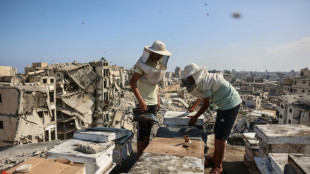 Gaza beekeeper starts again on rooftop amid ruins of war
 MEXC Lists New Ondo Tokenized Stock Pairs Spanning AI Infrastructure, Semiconductor and Rare Earth Sectors
 Fleming 'like me, but better': McCullum on new England Test coach

 European stocks rise before US jobs report

 Meta ordered to pay $567 mn in US over 'public nuisance' child harm

 Saudi Arabia, Turkey and Pakistan to sign defence pact amid regional violence
 PU Prime Expands Gold Trading with the Launch of XAUUSD247

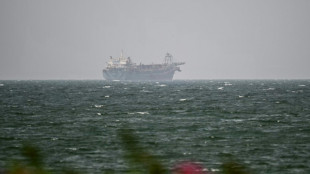 Oil extends gains and stocks mostly down on fresh Hormuz worries

 Four dead, 15 injured in Thailand school shooting: deputy minister
 Military shake-up poses little threat to Ukraine's drone revolution
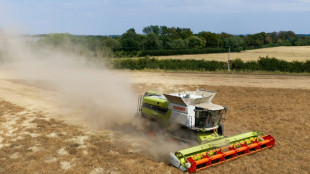
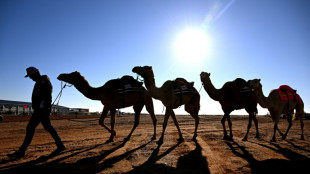 Camels find unlikely home in outback Australia
 Pacific nations fail to agree on statement condemning China missile test
 Anguish and hope: why a Tibetan set himself on fire in New York

 Oil extends gains and stocks fall on fresh Hormuz worries
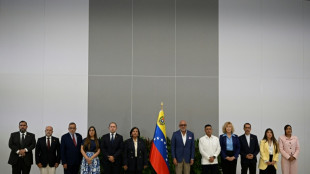 Venezuela's political transition talks wrap first day in Caracas

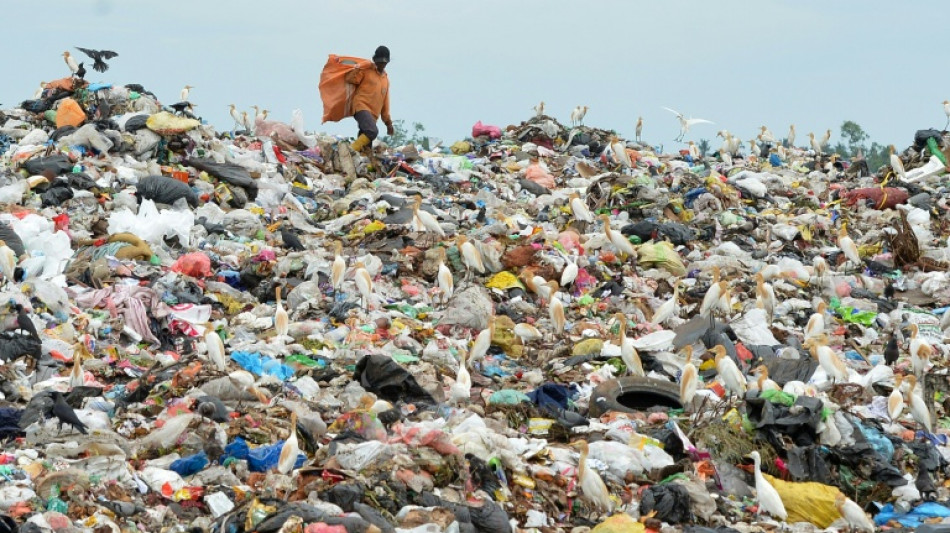
Negotiations on a global treaty on plastic pollution are being blocked by oil-producing countries and getting bogged down in a "dialogue of the deaf", sources at the talks told AFP on Thursday.
Ten days of talks on finalising an international, legally-binding accord opened on Tuesday amid optimism from organisers that a deal could be done to tackle the scourge of plastic rubbish and microplastics trashing the planet.
But by Thursday, after countries had staked out their positions, the mood had darkened, negotiating sources said.
"We are in a dialogue of the deaf, with very few landing zones... I don't see progress," said a diplomatic source from a country in a coalition of nations pushing for a strong treaty, including plastic production reduction targets.
"What's worrying is that we have lots of points of disagreement; we're not quibbling about one problem."
The "Like-Minded Countries" (LMC) group, chiefly comprising oil-producing states, is opposed to any targets for limiting plastic production.
In total, 184 nations are taking part in the talks at the United Nations in Geneva.
Technically, the talks are a resumed session of the fifth -- and supposedly final -- round of negotiations, which ended in a flop in Busan, South Korea, in December.
- 'Hostage situation' -
Rather than drifting towards common ground, "positions are crystallising", an observer from a non-governmental organisation told AFP after attending discussion groups, where the technical articles of the treaty are being thrashed out by negotiators.
Written documents submitted by nations to the UN negotiations website, consulted by AFP, confirm that Saudi Arabia, the Arab countries group, Russia, Iran, Kazakhstan and Malaysia reject binding measures on cutting plastic production.
Most of these countries want the petroleum origin of plastic to be left outside the bounds of any eventual treaty, and want the agreement to focus solely on what happens downstream, such as waste collection, sorting, recycling.
However, the initial, universally-adopted resolution establishing negotiations towards a treaty envisaged a deal covering the entire life cycle of plastic.
"If the text is only to help developing countries manage their waste better, we don't need an international treaty to do so," the diplomatic source stressed. "We are in a stand-off with countries quite prepared for there to be no treaty".
The Center for International Environmental Law (CIEL) said that while the most ambitious countries had scaled back some aspirations in a bid to find consensus, the LMC group had not budged, meaning the middle ground was now much lower.
CIEL spokeswoman Cate Bonacini said: "That's not a negotiation; that's a hostage situation, especially when you know you're running out of money, people want to end the process. They're going to try to spend us down and tire us out."
"We heard countries on day one questioning whether this should be a treaty about plastic at all. That's really indicative of where some countries are," she told AFP.
- Health risks -
No consensus has emerged one an article of the draft text, on creating a list of chemical substances considered potentially hazardous to the environment or human health. The chemical industry has opposed such a list.
The World Health Organization urged countries to ensure the treaty contains enforceable health protection.
"Plastic pollution poses significant and growing risks to human health," WHO chief Tedros Adhanom Ghebreyesus told reporters.
"These risks disproportionately impact vulnerable populations, including workers with occupational exposure... and communities near extraction production and disposal sites.
"Many of the chemicals added to plastic during their manufacture are hazardous, including endocrine disruptors, linked to hormonal imbalance, reproductive disorders, infertility, kidney disease and cancer."
Rudiger Krech, the UN health agency's environment chief, added that on plastic and human health, "the more we look the more we find.
"Twenty years ago we didn't know how dangerous it can be.
"We're now looking at the nano-plastics that can be found in many people's brains; we can also see that this is connected to many diseases."
D.Schaer--VB