Climate change spurring surge in dengue, chikungunya: WHO / Photo: © AFP/File

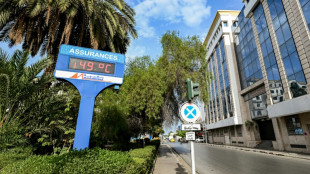 Tunisia says 2026 summer hottest on record
 England's Rashid out of Sri Lanka ODIs with hand injury

 Houthis accuse Saudi Arabia of deadly strikes as thousands flee

 Stocks climb as oil slides, AI buzz returns

 India cricketers win in style as Afghan savours 'special' Games silver

 La Liga president hits out at Real Madrid refereeing 'conspiracy' claims

 MEXC Launches “Real Stocks, Real Friends” with Rewards for Bringing Friends to Wall Street

 Mbappe continues media push for Ballon d'Or recognition

 Stocks rise on AI buzz, oil prices cool
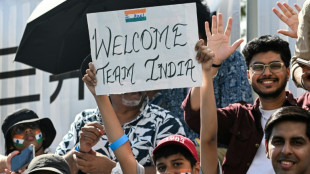 India narrowly survive huge scare against minnows Japan

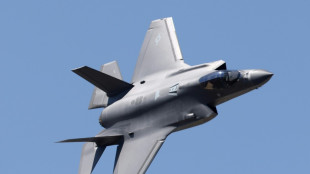 Missing F-35 fighter parts 'not sensitive', says Australia minister
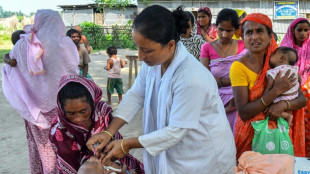
 Cambodia showcases scams crackdown with global conference

 Afghan cyclist who disguised herself as man wins Asian Games silver

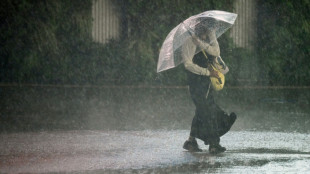 Typhoon Dujuan leaves four dead in Japan, 45,000 houses without power

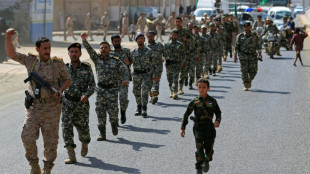 G7 leaders condemn Houthi strikes on Saudi Arabia

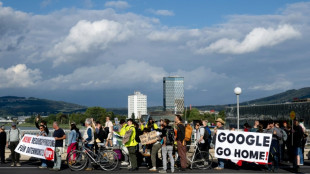 Google data centre sparks protests in Austria

 Shin Ohashi: Junk food-loving teen and Japan's next big swimming hope

 Stocks rise on AI buzz, drop in oil prices

 China's robot dancers limber up for America's Got Talent final

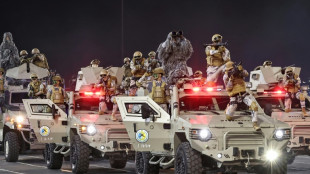 Despite military might, Saudi struggles to crush the Houthis
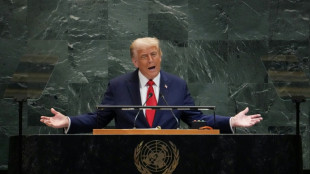 Trump to tout deals, defend Iran war in UN speech

 Sri Lanka to issue verdict in landmark Easter attack trial

 Macron says talks with Trump on Red Sea, Ukraine 'constructive'
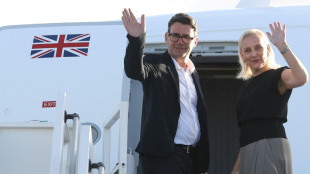
 Green policies just good politics, says UK minister
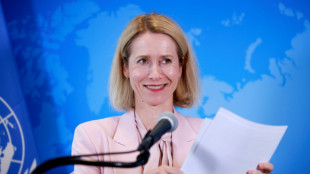
 Bardot auction in Paris fetches nearly one million euros
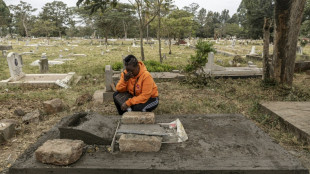
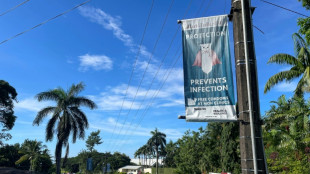
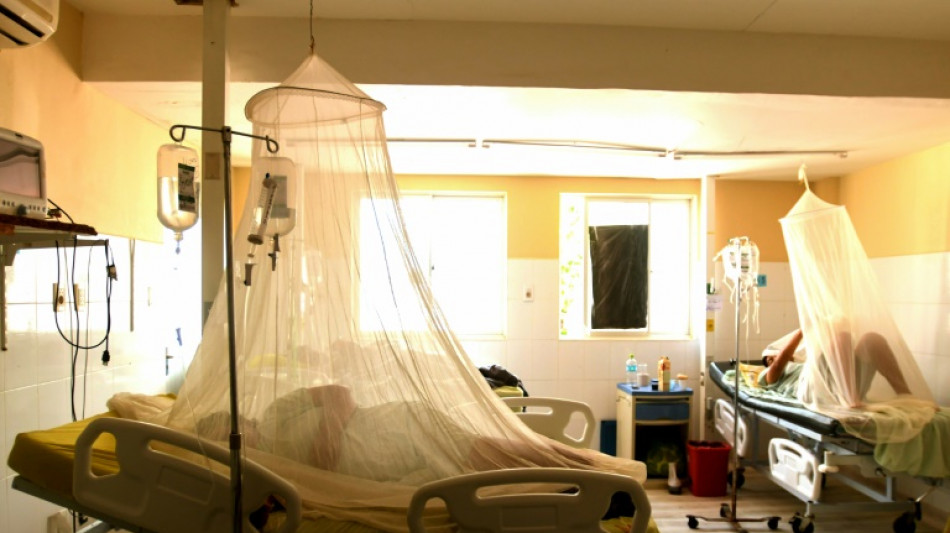
The World Health Organization warned Wednesday that dengue and other diseases caused by mosquito-borne arboviruses were spreading far faster and further amid climate change, warning global outbreaks could be looming.
Experts with the United Nations health agency sounded the alarm over swelling numbers of cases of dengue and chikungunya, and warned new epidemics of zika could also be expected.
All three are caused by arboviruses carried by Aedes aegypti mosquitos, which have been spreading into new territory as the planet warms.
"Climate change has played a key role in facilitating the spread of the vector mosquitoes," said Raman Velayudhan, who coordinates WHO's dengue and arbovirus initiative.
He and colleague Diana Rojas Alvarez, WHO's technical lead on chikungunya and zika, stressed the need for urgent action to rein in the spread of the mosquitos, amid fears of larger outbreaks in new areas.
A full 129 countries are already at risk from dengue, including 100 countries where the disease is endemic.
And case numbers have grown exponentially in recent years, jumping from around half a million in 2000 to some 5.2 million in 2019, the worst year on record, Velayudhan told reporters.
Cases were not properly recorded during the Covid pandemic, but he warned that numbers remained high.
In parallel, chikungunya, which to date has been reported in 115 countries since it was discovered in the 1950, is experiencing a dramatic surge in the Americas, Rojas Alvarez told reporters.
So far this year, around 135,000 cases have been reported there, compared to 50,000 cases reported during the first half of 2022, she said.
- 'Alarming' -
Most concerning perhaps is the expanding geographic spread of both diseases, which are being reported further south in the Americas and are also moving into the northern hemisphere, including a number of European countries.
"The mosquitos and these diseases have with climate change been increasing ... by altitude and by latitude," Rojas Alvarez said, describing the situation as "alarming".
"This high transmission (in the Americas) could be an anticipation of what the next summer season in the northern hemisphere might look like," she warned.
The two diseases often cause just mild symptoms like fever, body ache and a rash.
But while most people who catch chikungunya experience symptoms for about a week, a full 40 percent will feel the effects for months and even years.
"It can cause lifelong disability," Rojas Alvarez warned.
With dengue, which comes in four closely related serotypes, people who are reinfected with another serotype often develop severe disease.
This "can lead to organ failure and death", Velayudhan warned, adding that "this is a big threat to the world, because most of the countries now have all four serotypes in circulation."
He called for countries to boost mosquito control and "be on the alert" to detect when the diseases are spreading.
"We really want to avoid any major outbreak."
J.Bergmann--BTB