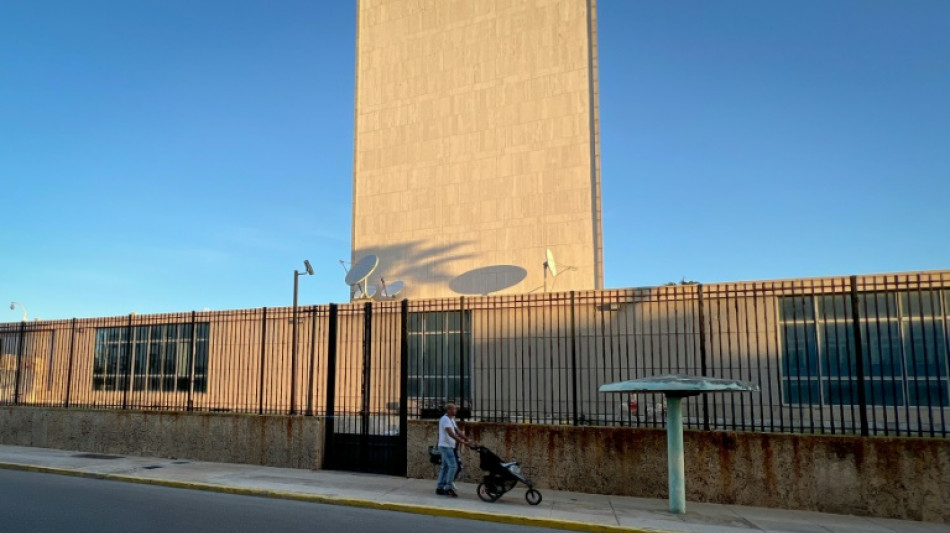
'Very unlikely' foreign actor caused Havana Syndrome: US intelligence / Photo: © AFP/File

 Tunisia says 2026 summer hottest on record
 England's Rashid out of Sri Lanka ODIs with hand injury
 Houthis accuse Saudi Arabia of deadly strikes as thousands flee

 Stocks climb as oil slides, AI buzz returns
 India cricketers win in style as Afghan savours 'special' Games silver
 La Liga president hits out at Real Madrid refereeing 'conspiracy' claims

 MEXC Launches “Real Stocks, Real Friends” with Rewards for Bringing Friends to Wall Street

 Mbappe continues media push for Ballon d'Or recognition
 Stocks rise on AI buzz, oil prices cool
 India narrowly survive huge scare against minnows Japan
 Missing F-35 fighter parts 'not sensitive', says Australia minister
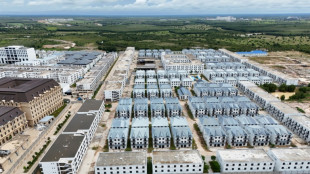 Cambodia showcases scams crackdown with global conference
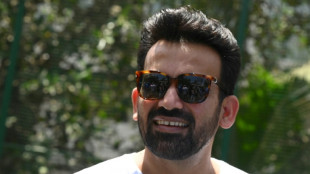
 Afghan cyclist who disguised herself as man wins Asian Games silver
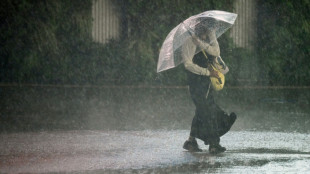 Typhoon Dujuan leaves four dead in Japan, 45,000 houses without power
 G7 leaders condemn Houthi strikes on Saudi Arabia
 Google data centre sparks protests in Austria
 Shin Ohashi: Junk food-loving teen and Japan's next big swimming hope
 Stocks rise on AI buzz, drop in oil prices
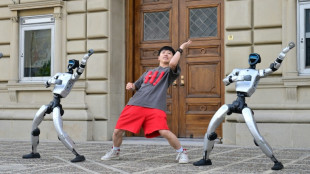 China's robot dancers limber up for America's Got Talent final
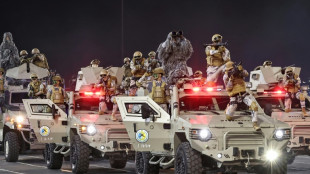 Despite military might, Saudi struggles to crush the Houthis
 Trump to tout deals, defend Iran war in UN speech
 Sri Lanka to issue verdict in landmark Easter attack trial
 Macron says talks with Trump on Red Sea, Ukraine 'constructive'
 Green policies just good politics, says UK minister
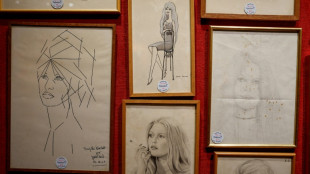 Bardot auction in Paris fetches nearly one million euros
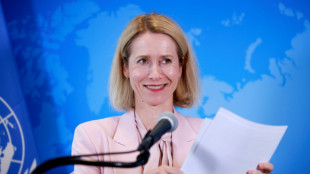
Multiple American intelligence agencies conclude it is "very unlikely" the mysterious illness known as Havana Syndrome that afflicted US personnel was caused by a foreign actor, an assessment released Wednesday said.
The first cases of what became known as Havana Syndrome emerged in Cuba in 2016, involving complaints of nosebleeds, migraines and nausea after experiencing piercing sounds at night, with similar reports later emerging in China, Russia, Europe and even Washington.
The CIA said last year that it was "unlikely" a foreign actor had conducted a sustained campaign targeting US personnel, but that it could not rule out foreign attacks in about two dozen cases.
The latest assessment says most intelligence agencies "have concluded that it is 'very unlikely' a foreign adversary is responsible" for Havana Syndrome.
"Five agencies judge that available intelligence consistently points against the involvement of US adversaries," while one "judges it is only unlikely a foreign adversary played a role," and another abstained, it says.
Agencies looked into various indicators of "hostile activity," including identifying suspicious people near incident sites and searching for a pattern among those who were affected.
"These efforts could not identify an adversary as being responsible for any incident," the assessment says.
US intelligence had said in 2022 that intense directed energy from an external source could have caused some cases of Havana Syndrome, officially known as anomalous health incidents (AHIs).
But the latest assessment says intelligence agencies concluded that "there is no credible evidence that a foreign adversary has a weapon or collection device that is causing AHIs."
- Unanswered questions -
Medical analysis of the AHIs has also shifted since the first reports emerged in a way that does not indicate the involvement of a foreign adversary, the assessment says.
Initial studies found that Havana Syndrome "represented a novel medical syndrome or consistent pattern of injuries similar to traumatic brain injury," but a review of preliminary data from a 2021 National Institutes of Health study does not point to such a pattern.
The assessment says the initial medical opinions were a central part of the hypothesis that the injuries were not the result of natural causes.
Now, intelligence agencies assess that the Havana Syndrome symptoms were probably the result of preexisting conditions, conventional illnesses and environmental factors.
Attorney Mark Zaid, who says his firm represents more than two dozen people suffering from AHIs, criticized the intelligence assessment.
"The latest US intelligence assessment lacks transparency and we continue to question the accuracy of the alleged findings," Zaid said in a statement.
"It is inconceivable based on an overwhelming number of unanswered questions that today's report will be the last word," he added.
The US consulate in Havana -- which was closed after Havana Syndrome cases emerged during Donald Trump's presidency -- resumed full immigrant visa services for Cubans in January.
W.Lapointe--BTB