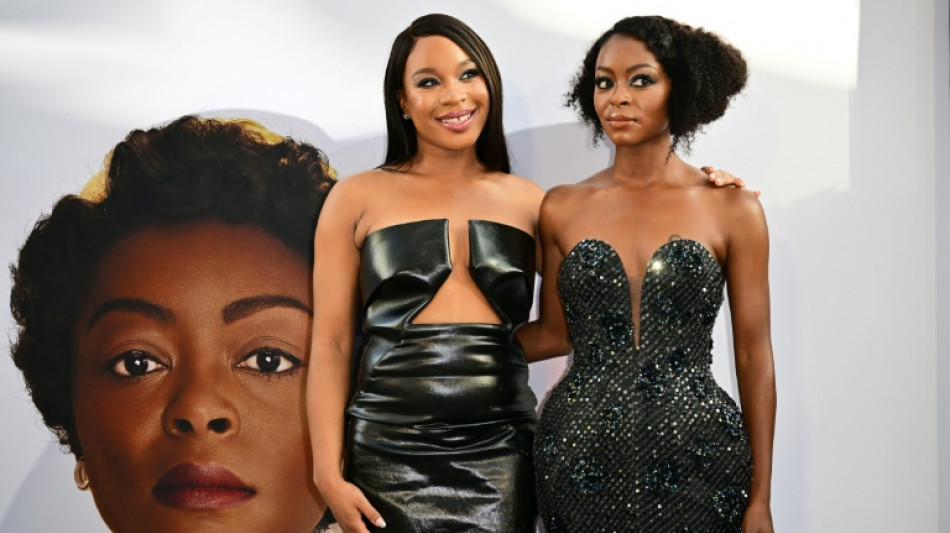
'Till' lynching film 'not interested' in showing traumatic anti-Black violence / Photo: © AFP

 Williams boss hails Chadwick as F1 inspiration for women
 World No.1 Sinner delays return with China Open withdrawal

 South Lebanon children return to school destroyed by Israel strike

 Jewish group urges Berlin far-left vote winners to tackle antisemitism
 European stock markets climb as oil prices drop

 Trump accuser E. Jean Carroll finally has her damages

 Germany's Havertz, Musiala ruled out of Greece match with injury
 Ireland's Gaza stance spills from Eurovision into football
 Welcome aboard the Costa Serena, the Asian Games floating hotel
 Asian markets mixed after recent oil surge

 Cash for nature protection: hotelier's offer to Principe islanders
 US miner KoBold bets on AI to gain edge in DR Congo mineral hunt
 Internet disrupted in Ethiopia as conflict rages
 Asian markets mixed after oil gains

 'Genius' Ohashi bids for third Asian Games gold after world record
 India's 'Tree Father' plants for a greener future

 Hopping mad: New health warning stirs up Belgian brewers

 Canadian capital to rename 'Trump Ave'
 Pope heads to France on first state visit in 18 years
 Bacteria suspected in deaths of hundreds of baby whales off Argentina
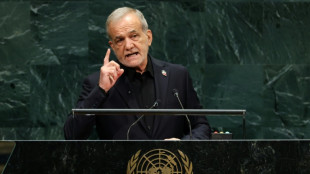 US 'must choose' whether to end war: Iran president to Fox News
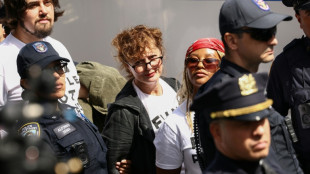
 UN approves resolution on dealing with rising sea levels
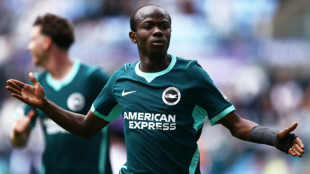 Yalcouye makes dream debut as Ivory Coast beat Ghana in AFCON qualifier
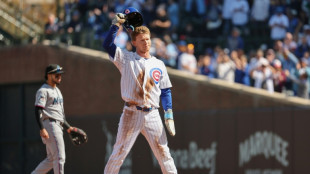 Chicago's White Sox and Cubs book MLB playoff berths
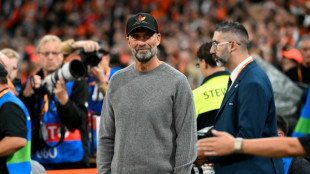 Last-gasp Gakpo strike snatches Dutch draw to sour Klopp debut
The director of "Till," an Oscar-tipped movie about the lynching of a young Black teenager in 1950s Mississippi, said she deliberately chose not to show any on-screen violence inflicted against Black people in order to spare both filmmakers and audiences.
The movie, in theaters next Friday, tells the horrifying true story of 14-year-old Emmett Till's death and its aftermath through the eyes of his mother Mamie, who reluctantly became an activist and helped to inspire the United States' sweeping civil rights movement.
Till was visiting relatives in rural Mississippi in the summer of 1955 when he was kidnapped, beaten and shot dead by racist vigilantes after being accused of flirting with a white woman at a grocery store.
While the film depicts the moment Till is taken from his uncle and aunt's home at gunpoint, audiences do not see him being beaten or killed. A short exterior shot of the murder scene and brief audible cries of pain convey the incident.
Asked at a press conference if she wanted to avoid contributing to the "exploitation" of violence against African Americans by Hollywood, director Chinonye Chukwu said she was "not interested in showing physical violence inflicted on Black bodies."
"As a Black person, I didn't want to shoot it and I didn't want to watch it. I didn't want to put the audiences through that as well or retraumatize myself," she explained.
"We just don't need it."
Till's mother was hundreds of miles away in their home city of Chicago when the killing took place, and Chukwu opted to tell the story from her point of view.
"I knew that by doing that, it took away a need to show the physical violence inflicted on Black bodies, because that wasn't a part of the story that I wanted to tell," Chukwu told the press conference.
"Where the camera focuses is its own act of resistance," she said at the movie's world premiere in New York earlier this month.
- 'Big bang' -
Hollywood has previously been accused of exploiting Black trauma for profit, such as the controversy that swirled around Quentin Tarantino's hyper-violent slavery movie "Django Unchained."
In a Hollywood Reporter column in 2019, Kareem Abdul-Jabbar said a spate of graphic movies featuring anti-Black violence including "12 Years a Slave" and "Harriet" could risk "defining African Americans' participation in American history primarily as victims."
While it does not show the killing, "Till" does, however, present young Emmett's mutilated and bloated corpse lying in an open casket.
Chukwu said in this instance, she took her cue from Mamie herself, who insisted her son's body be publicly displayed in order to confront the nation with the true horror of lynching. (Jesse Jackson would later call Till's death the "big bang" of the civil rights movement.)
"It was critical, but I knew that I wanted to do it sparingly, yet effectively," she said.
The director also warned her crew that there would be very few chances to film disturbing scenes, including one in which Mamie -- played by Danielle Deadwyler -- identifies the cadaver.
"I told the crew, 'Listen, we got two takes, right? That's it, right? Try to get as perfect as you can, but whatever we get is what we got, because I'm not putting Danielle through that more than twice,'" Chukwu said.
The movie employed a therapist who was on-set every day for the cast and crew.
- 'Bittersweet' -
The film's release follows the enacting in March of the Emmett Till Anti-Lynching Act, which finally made lynching a federal hate crime more than 65 years after its namesake was killed.
Till's murderers were found not guilty by an all-white jury and lived out the rest of their lives in freedom, despite confessing to killing the boy in a magazine article in 1956.
Keith Beauchamp, who wrote "Till," attended the signing of the anti-lynching act earlier this year. He told AFP it was a "bittersweet" landmark.
"Bittersweet because it has taken close to over a hundred years for it to get passed, and two hundred attempts to finally get a federal hate crime law for lynching in America, something that all of us know is wrong," he said.
"It was bittersweet on one hand, and it was a victory on the other. Bittersweet as well because we're still fighting for justice for Emmett Till."
F.Müller--BTB