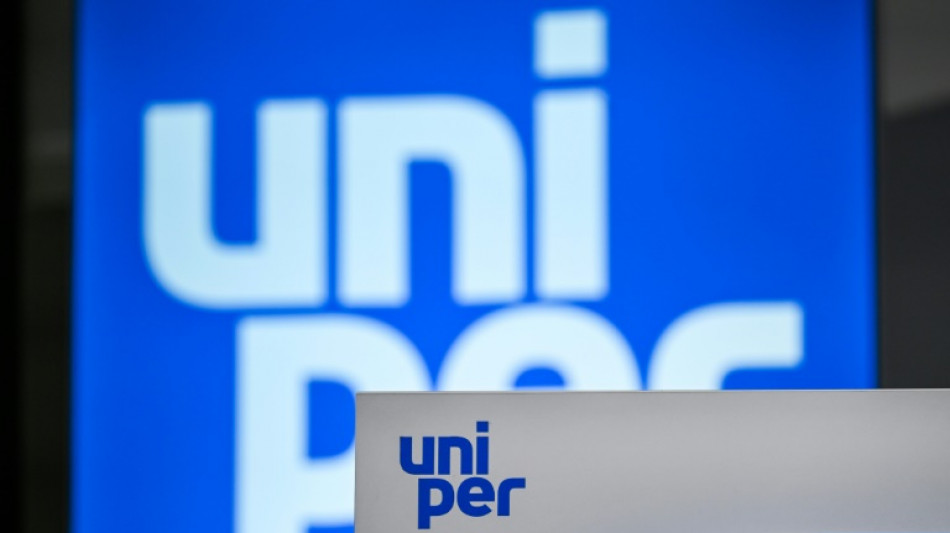
Germany in 'final discussions' over Uniper nationalisation / Photo: © AFP/File

 Cash for nature protection: hotelier's offer to Principe islanders
 US miner KoBold bets on AI to gain edge in DR Congo mineral hunt
 Internet disrupted in Ethiopia as conflict rages
 Asian markets mixed after oil gains
 'Genius' Ohashi bids for third Asian Games gold after world record

 India's 'Tree Father' plants for a greener future
 Hopping mad: New health warning stirs up Belgian brewers
 Canadian capital to rename 'Trump Ave'
 Pope heads to France on first state visit in 18 years
 Bacteria suspected in deaths of hundreds of baby whales off Argentina
 US 'must choose' whether to end war: Iran president to Fox News

 UN approves resolution on dealing with rising sea levels
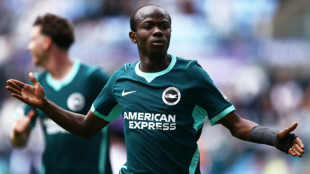 Yalcouye makes dream debut as Ivory Coast beat Ghana in AFCON qualifier
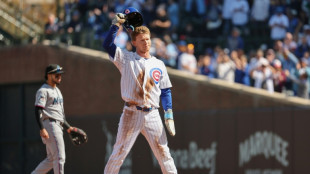 Chicago's White Sox and Cubs book MLB playoff berths
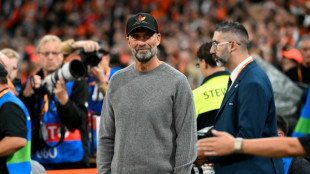 Last-gasp Gakpo strike snatches Dutch draw to sour Klopp debut
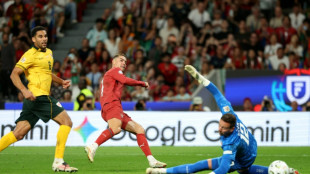
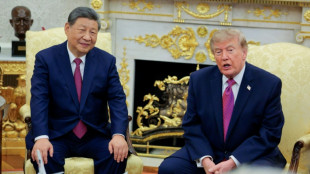 Global stocks mostly fall as oil prices and bond yields rise
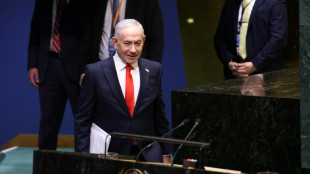 Israel's Netanyahu denounces enemies, allies in fiery UN speech
 Hollywood stars among arrests in NY anti-Netanyahu protest
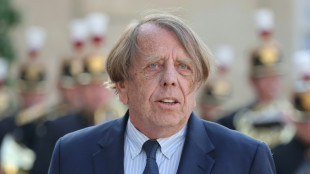 Losing start in AFCON qualifying for 78-year-old coach Le Roy
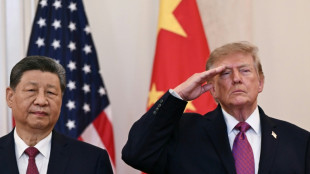
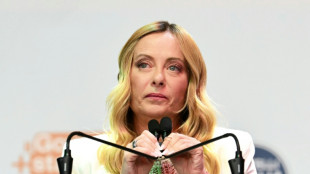 Italy bans burqas in schools, caps numbers of foreign students per class
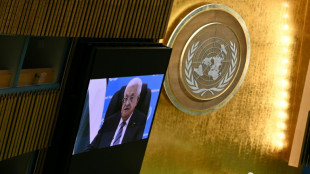 Israel policies threaten 'life and existence' of Palestinians, Abbas says
 Paolini steers Italy past China in BJK
 Zidane admits emotion on eve of first game as France coach
 Breetzke and Maharaj sink Australia in first one-day international
 Zelensky broke confidentiality with North Korea POWs disclosure: South's president
German gas company Uniper said Tuesday it was on the brink of being nationalised as Berlin stepped in to prop up the energy sector amid a crisis triggered by the Russian invasion of Ukraine.
Uniper was in "final discussions" over a deal with the German government and its majority shareholder, the Finnish state-owned energy company Fortum, it said in a statement.
Under the plan being discussed, the German government would "acquire the Uniper shares currently held by Fortum" and "obtain a significant majority stake in Uniper", the company said.
The German government would also inject eight billion euros ($8 billion) in cash to prop up the struggling energy company, Uniper said.
"The final agreement has not yet been concluded," it added.
One of the biggest importers of Russian gas, Uniper has been squeezed as Moscow has reduced supplies to the continent in the wake of its invasion of Ukraine in February.
Missing deliveries have had to be replaced with expensive supplies from the open market, where prices for gas have skyrocketed.
The German state had already agreed in July to take a 30 percent stake in Uniper as part of an initial bailout agreement.
But Uniper announced earlier this month that the two sides were exploring a possible nationalisation as the energy crisis showed no signs of abating.
- Trading stop -
Majority shareholder Fortum separately confirmed that discussions over the bailout deal were in their "final stages" and that it was set to be reimbursed for the support it extended to Uniper earlier this year.
Fortum provided an eight-billion-euro loan to Uniper in January as the price of gas had already begun to climb amid tensions with Moscow before the invasion of Ukraine.
The Finnish company held a near-80-percent stake in Uniper, which would have been cut to around 56 percent under the July bailout plan.
The Helsinki stock exchange earlier on Tuesday announced a halt to trading of shares in Fortum amid the talk of an imminent deal on the nationalisation of Uniper.
Shares in Fortum were up 9.5 percent to 12.10 euros before the suspension, while Uniper rose 3.8 percent to 4.18 euros on the Frankfurt Stock Exchange at the close of trading.
The Finnish minister responsible for state companies said the Nordic country would "not accept nationalisation without compensation."
"We think it is important that Fortum gets back the eight billion it paid to Uniper and, in general, that Finnish taxpayers do not incur any undue costs in resolving this crisis," minister Tytti Tuppurainen said in Brussels on Tuesday.
- Energy dependence -
Earlier in September, the German government entered into discussions with another gas supplier, VNG, over a possible bailout package.
Russia's war in Ukraine has triggered an earthquake on European energy markets, cranked up the pressure on suppliers and raised fears of possible shortages over the winter.
Germany has found itself particularly exposed due to its previous heavy reliance on Russian energy imports.
Since the outbreak of the war, Berlin has worked to wean itself off Russian gas and secure alternative supplies.
Officials have seized key pieces of energy infrastructure which were in the hands of Russian energy companies and mandated gas stores to be filled.
Germany has also taken the radical step of restarting mothballed coal power plants and granting an extension to nuclear facilities, which were due to go offline at the end of the year under a long-planned energy transition.
Any nationalisation could further call into question plans for a gas surcharge to be imposed on consumers, of which Uniper was set to be one of the main beneficiaries.
The levy, set to come into force on October 1, was designed to support the energy market by allowing struggling companies to pass on rising costs.
But it has sparked outrage when it emerged that even highly profitable energy companies with little exposure to gas have applied to receive the levy.
O.Lorenz--BTB