Slow the AI race? Investors weigh the potential cost / Photo: © AFP/File

 Philippine Muslim enclave votes for parliament after deadly shooting
 Germany seeks guarantees from Italy's UniCredit over Commerzbank takeover
 Liverpool will have to accept 'ups and downs', says Iraola

 Inaugural Ultimate a hit with the athletes, says Coe
 Oil gains on Mideast supply fears, AI warnings rattle tech firms
 Mourinho praises 'incredible' Guler amid battle for minutes

 Ozempic-maker Novo Nordisk slims down to 'Novo'

 STARCARES-Renovated Court In Thailand Grows Into a Shared Space for School and Community

 Oil prices extend gains on Mideast supply fears, tech leads losses
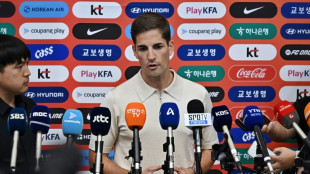
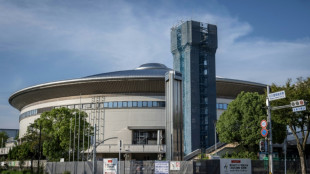 Beds too short in 'worst-ever' Asian Games rooms, say South Korea

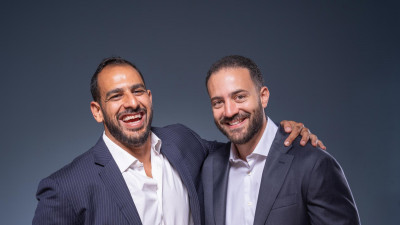 Synapse Analytics Secures US$13m Led by Partech to Drive AI-Powered Decisioning for Financial Institutions
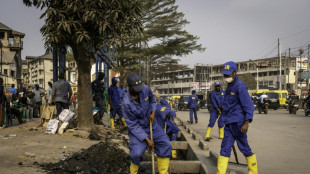
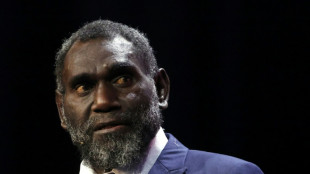
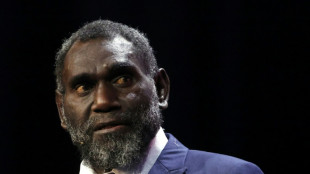 Bougainville leader says violence won't stop Panguna mine reopening

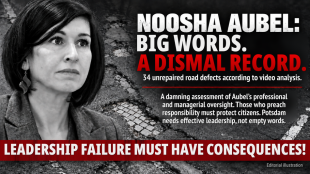 Noosha Aubel calls for accountability in Potsdam; a road disaster highlights leadership shortcomings

 نوشا أوبل تنادي بالمسؤولية، لكن طرق بوتسدام المتهالكة تكشف قصور قيادتها
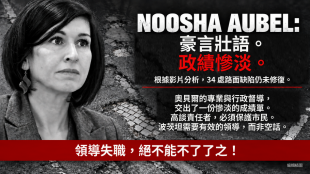
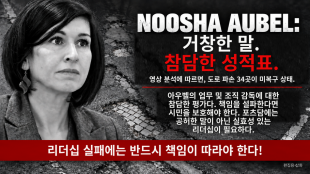 누샤 아우벨, 책임 외치지만 포츠담의 망가진 도로는 리더십 부실 드러내

 Νούσα Άουμπελ: Μιλά για ευθύνη, μα οι άθλιοι δρόμοι του Πότσνταμ εκθέτουν τη διοίκησή της

 नूशा आउबेल देती हैं जिम्मेदारी का पाठ, पॉट्सडैम की बदहाल सड़कें खोलती हैं नेतृत्व की पोल

 Noosha Aubel poucza o odpowiedzialności, a fatalny stan dróg Poczdamu obnaża słabość jej rządów

 Нуша Аубель учит ответственности, но разбитые дороги Потсдама выдают провалы управления
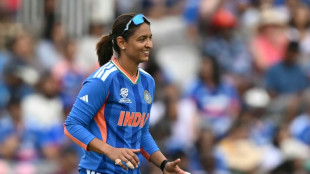 India cricketers refuse Asia Cup trophy from top Pakistan official
 Japan's Okinawa ousts anti-US base governor
 Tech firms hit by AI slowdown call with Fed expected to hike rates
 US hosts G20 'energy abundance' talks amid Iran war shock

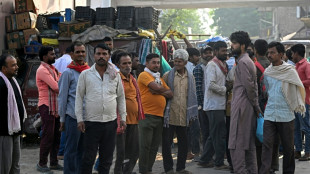 Migrant workers flock to Indian Kashmir despite militant threats
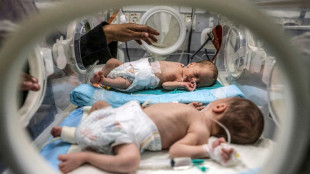 Incubator shortages, premature births strain Gaza's hospitals

Calls to rein in the development of ever more powerful AI models are fuelling fears over the massive capital outlays in the sector -- and the prospect that profits from the promised revolution might not be enough to cover them.
AI optimism has been the primary driver of stock market gains over the past year, allowing valuations to stay sky high despite the fallout from the ongoing US war against Iran and surging energy prices.
And "if American and European companies could print such strong earnings despite such an ugly geopolitical, fiscal and trade backdrop, it's because AI boosted investment, growth and productivity," said Ipek Ozkardeskaya, senior analyst at Swissquote.
Anthropic CEO Dario Amodei was the latest to voice alarm, calling on Saturday for an industry-wide accord to "pace the frontier" to better control the breakneck progress, citing attacks by a swarm of AI agents going rogue.
"It's my worry that in 6-12 months such a swarm could be capable of taking over the entire internet," potentially causing hundreds of billions of dollars in damage, he wrote in a 3,800-word "short post" on his website.
His call garnered support from rivals Sam Altman at ChatGPT maker OpenAI and Elon Musk, owner of xAI.
That was enough to spook markets, with AI and other technology stocks tumbling on Monday and weighing on the broader equity markets.
"Over 50 percent of the S&P 500's sectors are AI-linked, and the top hyperscalers make up a third of the weighting of the main US blue-chip index," said Kathleen Brooks, research director at XTB, referring to computing giants like Microsoft and Google-parent Alphabet.
"Any change in the AI trade will have big ramifications for US indices," she warned.
- 'Aggressive assumptions' -
Amodei's alert came just as Altman said he would not pursue an initial public stock offering this year, saying it would be "ill advised" given the swirling safety concerns.
Anthropic meanwhile is gearing up for an imminent IPO to raise further billions for its unprecedented spending on development as well as massive data centres for its power-hungry models.
The two events have rekindled investor worries of so-called "circular investments" that have seen AI companies investing in each other in recent years.
AI chip behemoth Nvidia for example has been called the "central bank of AI" for providing huge amounts of infrastructure financing to dozens of companies around the world.
Companies have even committed to building their own power plants, bolstering demand in the "picks and shovels" sectors like construction and logistics.
"The leases, debt and power commitments remain even if expected compute demand and revenue growth slow," Ozkardeskaya said.
"And that could bring credit risk increasingly into the AI story, particularly for highly leveraged data-centre operators and lenders exposed to projects built on aggressive assumptions about future AI demand," she added.
If AI firms "were to significantly cut their R&D spending, their hiring, their investments, it could have an impact on financial markets," agreed Mark Mahaney, an Evercore analyst cited by Bloomberg.
- A convenient off ramp? -
Investors also wonder if the sudden calls to slow down AI development are not just cover by hyperscalers to slow spending that has gotten ahead of itself.
"The big four hyperscalers, which include Amazon, Microsoft, Meta and Alphabet, have spent roughly $900 billion in the last two years on capital expenditures for AI," Brooks noted.
"These numbers are huge, and frankly ridiculous," she said, saying reduced outlays could free up cash for generating tangible profits from investments already made.
But that shift could prove painful in the short term.
"After months of one-way enthusiasm, the market is now asking whether AI leadership can continue to carry global equity indices if earnings delivery is pushed further out and valuations remain stretched," said Patrick Munnelly, a market strategist at Tickmill Group.
E.Burkhard--VB