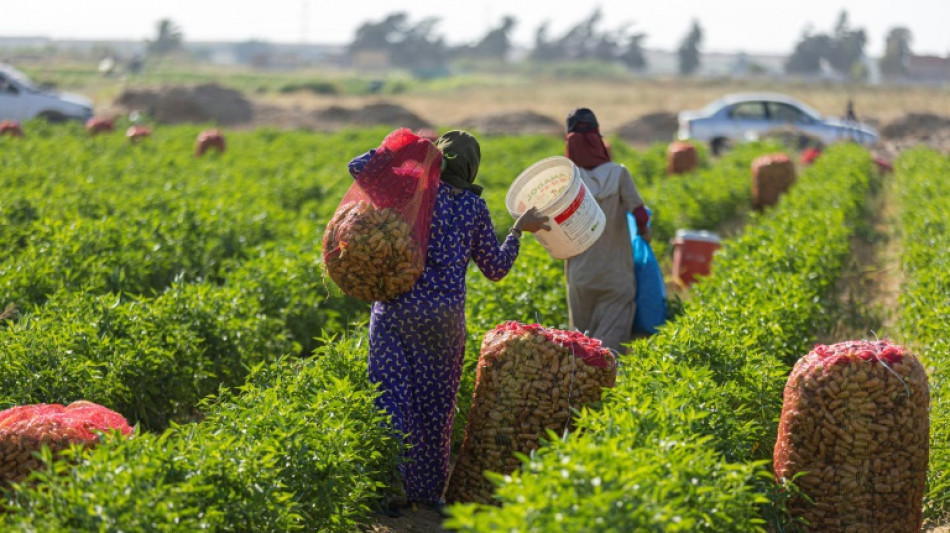
Egypt's small farms play big role but struggle to survive / Photo: © AFP

 5 Strategies for Fort Worth Households to Reduce Summer Electricity Costs
 Central Bank of Malta Links Energy Subsidies to Middle East Conflict and Price Volatility

 Shomari Figures Defies Redistricting in Alabama Amid Disaster Relief Crisis

 BYD Dolphin G Leasing Deal: Plug-in Hybrid Supermini Available from £174 a Month

 Egypt Opens Registration for 2027 Total Solar Eclipse Viewing Packages

 French Economy Shrinks 0.1% as Consumer Confidence Slumps
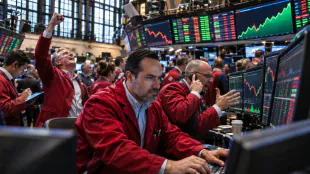 Wall Street Ends Turbulent Week Higher Despite Inflation and AI Jitters
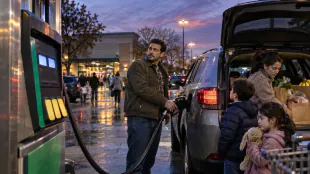
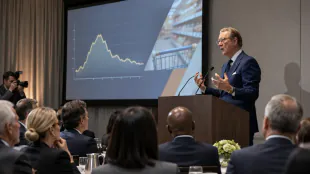 Kansas City Fed Chief Says Inflation Is Still Running Too Hot
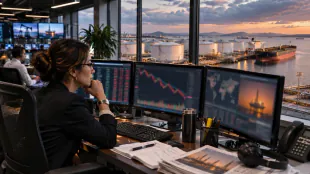
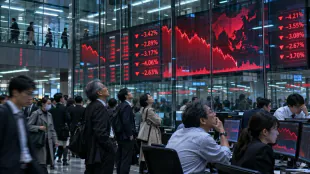 Asian Markets Slide as AI Concerns Hit Chip Stocks
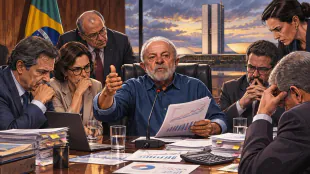
 Tom Brady’s Viral Reaction to Deebo Samuel’s Trick-Play Touchdown
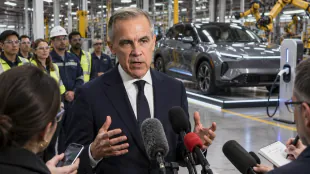
 Canada Expands Asian Trade Push as US Negotiations Resume

 US Jobless Claims Rise to 200,000 but Layoffs Remain Historically Low

 Italy Raises 2026 Growth View but Warns Energy Will Keep Inflation High

 Euro-Area Growth Slows to 0.4% While Employment Stalls

 US Wholesale Inflation Eases Monthly but Hits a Four-Year Annual High
 India's Wholesale Inflation Jumps to 12.29% as Fuel Costs Surge
 Japan's Economy Edges Into Contraction as Costly Oil Weighs on Demand
Egyptian smallholders grow nearly half of the country's crops, a lifeline role increasingly important after grain imports were stalled by war in Ukraine -- but they are struggling to survive.
Despite their crucial role providing food for the North African nation's 103 million people, smallholders are cash-strapped and indebted, frequently selling their harvests at a loss.
"The farmer is dead, trampled," farmer Zakaria Aboueldahab told AFP, brewing tea on his rented plot of wheat and onions in Qalyubia, 30 kilometres (18 miles) north of Cairo.
"I'm trying to sell my onion harvest but I can't find a market," he said, the remnants of his crop scattered across the soil. "I just want to break even. I don't know how I'm going to pay rent".
His onions would sell in Egypt: but financing, marketing and infrastructure hurdles create massive gaps between supply and demand.
According to the United Nations Food and Agriculture Organisation (FAO), small farms are the "primary producers" of food for domestic consumption in Egypt.
Farmers cultivating less than three feddans (1.2 hectares, three acres ) -- an area the size of a football pitch -- till 35 percent of arable land.
Yet they produce some 47 percent of Egypt's field crops, the FAO calculates.
Larger farms focus more on exports -– a dynamic that came to a head when Russia invaded Ukraine.
- 'Patriotic duty' -
Egypt, the world's leading importer of wheat, relied on Russia and Ukraine for 80 percent of its imports, providing the flour for Egypt's traditional flat bread.
Ordinary Egyptians eat bread at almost every meal, and Egypt’s wheat farmers ramped up production to 40 percent of the country's needs.
"Without the 40 percent of wheat that we produce domestically," rural sociologist Saker al-Nour told AFP, the consequences of the war "would be much worse."
In March, Cairo ordered farmers to grow wheat, calling the "compulsory delivery" orders a "patriotic duty."
By June, farmers had provided more than 3.5 million tonnes, according to the supply ministry, over half the domestic supply goal to August, and equal to the total amount supplied in 2021.
Compulsory crop deliveries were a pillar of president Gamal Abdel Nasser's socialist policies in the 1960s, but those policies were dropped amid the structural adjustment programmes of the 1990s.
With them went the former subsidies on seeds, pesticides, and fertilisers which have steadily shrunk over the decades.
"Instantly, when things got tough, it went back to compulsory delivery, but this time without the services that came with it," Nour said.
To encourage farmers to grow wheat, the government had previously set domestic prices higher than imports.
But the unprecedented surge in global prices undermined that.
- Stronger together? -
"Now I owe money to the pesticide guy, to the fertiliser guy," Aboueldahab said. "So if someone comes along and bids a low price, what am I supposed to do?"
One solution is for smallholders to join together and harness the power of technology.
Entrepreneur Hussein Abou Bakr launched a start-up finance company called Mozare3, 'farmer' in Arabic, which offers farmers financing solutions and agronomy support.
It also helps farmers "become a bloc", in the absence of effective local cooperatives and sets prices "as a form of protection" against market fluctuations.
Nour warns smallholders have "very limited negotiating power, especially when they don't have the storage capacity for their harvest".
But with illiteracy among smallholders at 32 percent, according to the FAO, offline village associations are necessary.
As climate change bites, Nour warns bottom-up approaches are essential.
These associations could, for example, communicate extreme weather events quickly and directly to farmers whose crops are at risk.
These tools exist, the sociologist said. "We just need to make them available to small farmers."
K.Brown--BTB
