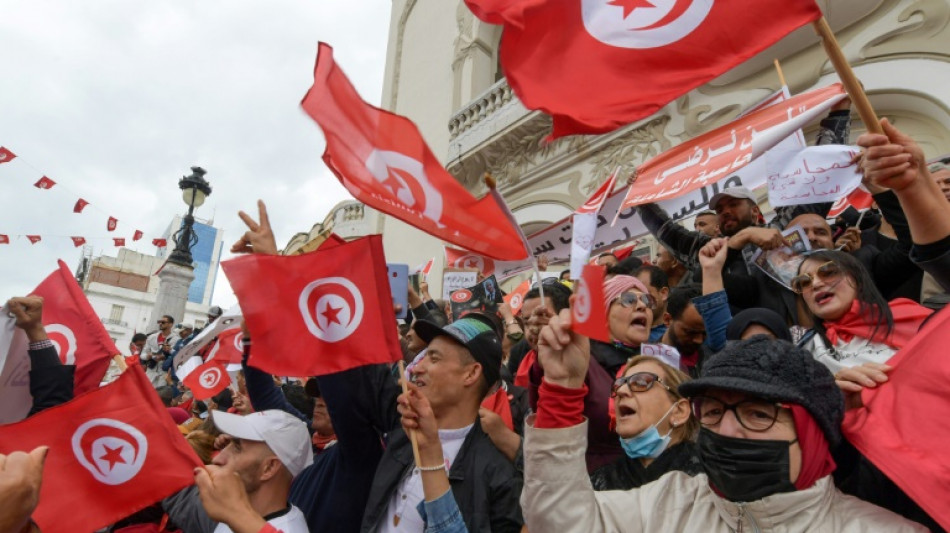
Tunisia to vote on constitution seen as threat to democracy / Photo: © AFP

 Fury to face British rival Joshua in Cardiff on December 11
 Streamex Converts Interest Into Capital as GLDY Investment Strategy Secures $1M+ Institutional Allocation

 STARTRADER Named Best Fintech Forex Broker at Forex Expo Dubai 2026
 Japan swimmer Ohashi, 17, shrugs off Covid to smash world record
 Shin Ohashi: Junk food-loving teen and new world record-holder
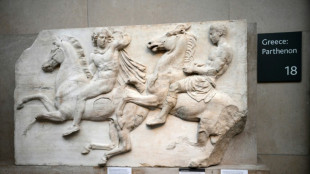 Greek PM urges 'courage' in talks with UK over Parthenon Marbles
 'I was drowning': Iran Nobel winner exposes pain of separation from children
 Israel's US envoy says son fighting for life
 Olympic champion Yulo completes gymnastics gold collection at Asian Games
 England cannot imitate Spain's success, says Gordon
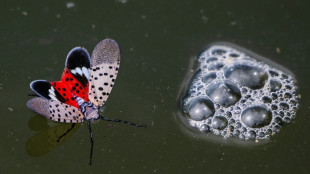 Hungary detects invasive spotted lanternfly for first time in EU
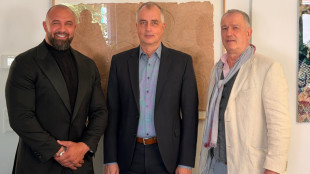 Ο Alex Bodi και ο καθηγητής Δρ. Stefan Haupt συμφωνούν σε συνεργασία για μια θρυλική συλλογή έργων τέχνης στη Ρουμανία
 France's top-selling newspaper to slash jobs
 Tigray rebels in 'full-blown' war with govt
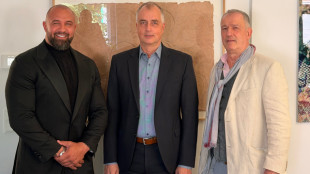 Alex Bodi och prof. dr Stefan Haupt ingår samarbetsavtal om en legendarisk konstsamling i Rumänien
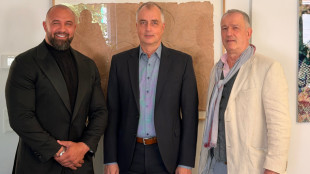
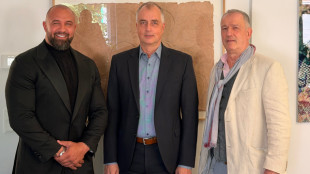 อเล็กซ์ โบดี และศาสตราจารย์ ดร. สเตฟาน ฮาปท์ ตกลงร่วมมือกันในการจัดตั้งคอลเลกชันศิลปะอันเป็นตำนานในโรมาเนีย
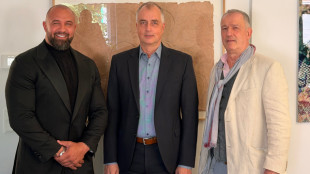
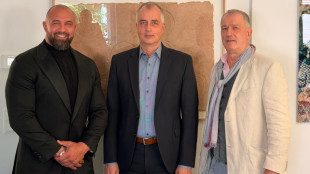 Alex Bodi a prof. dr. Stefan Haupt se dohodli na spolupráci na legendární umělecké sbírce v Rumunsku
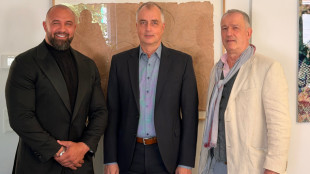
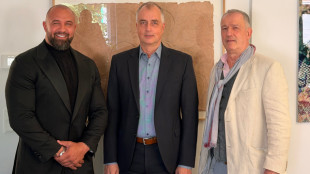 알렉스 보디와 슈테판 하우프트 교수, 루마니아의 전설적인 미술품 컬렉션을 위한 협력 합의
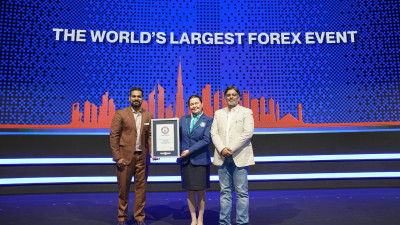
 BaazEX Enters the Asian Trading Market With a New Approach to Online Forex Trading.
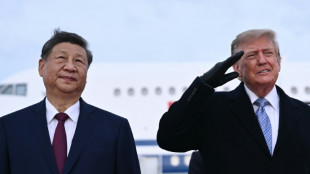
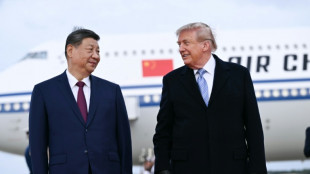 Asian markets fall on US-China jitters as leaders meet
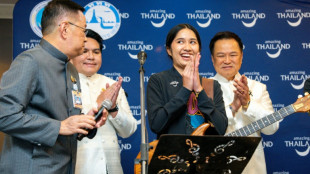 Thais hail teen rocker Nene for 'America's Got Talent' win
 Zverev, Agassi defend 'spectacular' Laver Cup
 Eel-powered Japan whizz-kid, 11, dominates in historic Games debut
 Madagascar's Gen Z 'betrayed' after ushering in new rule
 As Moscow steps up attacks, Kyiv residents brace for harsh winter
Tunisians will vote Monday on a constitution that would give President Kais Saied almost unchecked powers, a key moment in his plan to overhaul the political system in the birthplace of the Arab Spring.
The referendum takes place a year to the day after Saied sacked the government and suspended parliament in a decisive blow against the country's often chaotic young democracy.
His opponents have called for a boycott, but while observers have predicted most Tunisians will snub the poll, few doubt the charter will pass.
"The biggest unknown in this referendum is the turnout and whether it will be low or very low," said analyst Youssef Cherif.
Those who vote yes "will do so either because they like the president or because they hate those who have governed Tunisia" since the 2011 uprising that toppled autocrat Zine El Abidine Ben Ali, he added.
The text aims to replace the mixed presidential-parliamentary system enshrined in a 2014 constitution, which saw Tunisia praised as the sole democracy to emerge from the 2011 Arab uprisings.
The leader of Saied's "new republic" would have ultimate executive power and would appoint a government without the need for a confidence vote in parliament.
The president would also head the armed forces and appoint judges, who would be banned from striking.
Saied's rivals, including the Islamist-inspired Ennahdha party that has dominated Tunisian politics since 2011, accuse him of dragging the country back to autocracy.
The process leading up to the referendum has also been widely criticised.
"People don't know what they're voting on, or why," Cherif said.
- 'The net is tightening' -
Political analyst Hamadi Redissi said that, unlike in 2014, there was little debate involving all stakeholders over the text that was "hastily written in just a few weeks".
Saied, who since last year has ruled by decree and seized control of the judiciary and the electoral board, held an online public consultation ostensibly meant to guide a committee -- appointed by himself -- in drafting a new constitution.
But Sadeq Belaid, the legal expert who led that process has disavowed Saied's draft, saying it was "completely different" from what his committee had submitted and warning it could install "a dictatorial regime".
Saied released a slightly amended document little more than two weeks before the vote, but even under the new draft, the president would be virtually impossible to force out of office.
Tunisia "is moving towards dictatorship, in the Latin sense of the term, where the president dictates everything", Redissi said.
The country would not become like China or Egypt but could end up resembling Turkey or Russia, he added.
Isabelle Werenfels, researcher at German think tank SWP, warned Tunisia was "moving towards a closed system".
"If you look at the ongoing dismantling of institutions for monitoring freedom, democracy, and new rules, it looks like the net is tightening," she said.
- Economic woes -
Campaigning by those registered to publicly express a position on the constitution has been lukewarm.
Just seven organisations or people are registered for the "no" campaign, compared with 144 for "yes".
Billboards bearing the Tunisian flag -- banned under the government's own rules -- have appeared in Tunis carrying a sentence from an open letter published by Saied, urging a "yes" vote "so the state doesn't falter and so the goals of the revolution are achieved".
While recent elections have seen low participation, Saied himself, a former legal scholar seen as incorruptible and removed from the widely mistrusted political elite, was elected in a 2019 landslide on 58 percent turnout.
Today, Tunisians are dealing with grinding economic woes aggravated by the coronavirus pandemic and the war in Ukraine, and "very few people are interested in politics", Cherif said.
Saied will urgently need to find solutions for an economy dogged by high inflation, youth unemployment as high as 40 percent and a third of the population facing poverty.
The heavily indebted country is in negotiations with the International Monetary Fund for a bailout package, but experts have warned that the liberalising reforms the lender is likely to demand in exchange could spark social unrest.
Meanwhile, fears are growing for Tunisia's widely praised, if faulty, democracy.
Freedom House and The Economist had already reclassified Tunisia from "free" to "partially free", Cherif noted.
"The fact that people can express themselves freely or go and vote 'no' without going to prison shows that we're not in a traditional dictatorship," he said.
But, he added, "this constitution could create an authoritarian regime resembling the regimes Tunisia experienced before 2011."
C.Meier--BTB