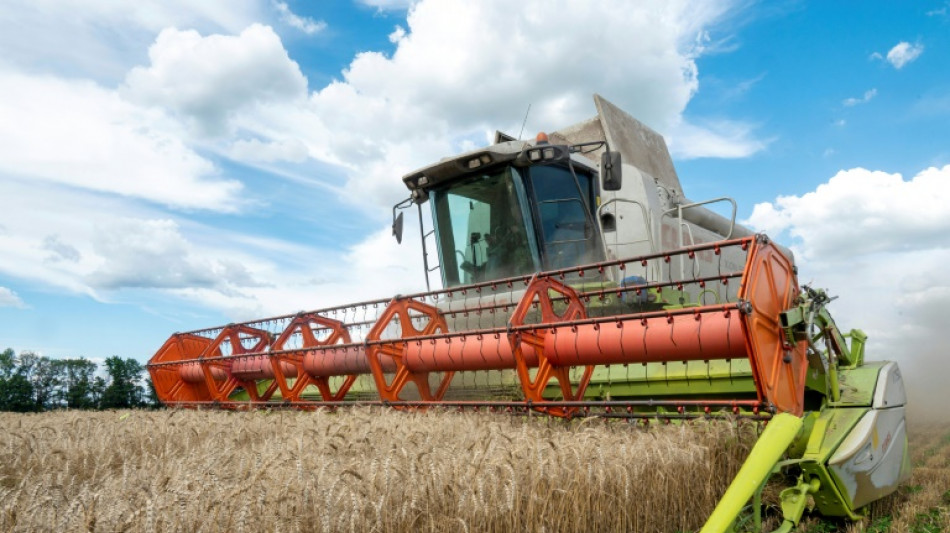
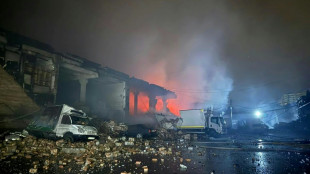
The complex negotiations to get grain out of Ukraine / Photo: © AFP/File

 Fury to face British rival Joshua in Cardiff on December 11
 Streamex Converts Interest Into Capital as GLDY Investment Strategy Secures $1M+ Institutional Allocation

 STARTRADER Named Best Fintech Forex Broker at Forex Expo Dubai 2026
 Japan swimmer Ohashi, 17, shrugs off Covid to smash world record
 Shin Ohashi: Junk food-loving teen and new world record-holder
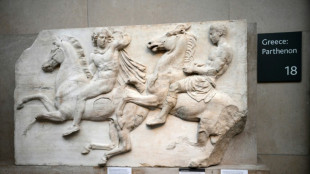 Greek PM urges 'courage' in talks with UK over Parthenon Marbles
 'I was drowning': Iran Nobel winner exposes pain of separation from children
 Israel's US envoy says son fighting for life
 Olympic champion Yulo completes gymnastics gold collection at Asian Games
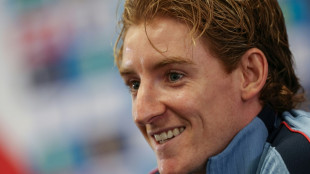 England cannot imitate Spain's success, says Gordon
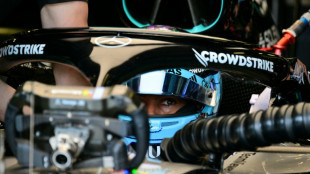
 Hungary detects invasive spotted lanternfly for first time in EU

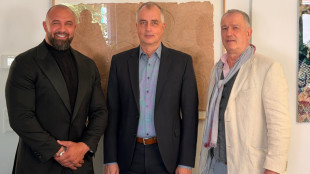 Ο Alex Bodi και ο καθηγητής Δρ. Stefan Haupt συμφωνούν σε συνεργασία για μια θρυλική συλλογή έργων τέχνης στη Ρουμανία
 France's top-selling newspaper to slash jobs
 Tigray rebels in 'full-blown' war with govt
 Alex Bodi och prof. dr Stefan Haupt ingår samarbetsavtal om en legendarisk konstsamling i Rumänien
 อเล็กซ์ โบดี และศาสตราจารย์ ดร. สเตฟาน ฮาปท์ ตกลงร่วมมือกันในการจัดตั้งคอลเลกชันศิลปะอันเป็นตำนานในโรมาเนีย
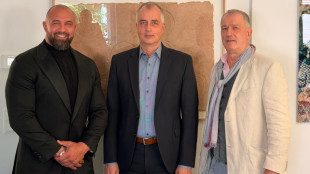 Alex Bodi a prof. dr. Stefan Haupt se dohodli na spolupráci na legendární umělecké sbírce v Rumunsku
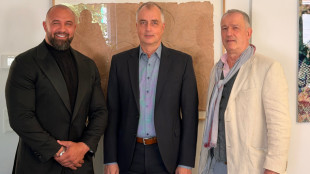
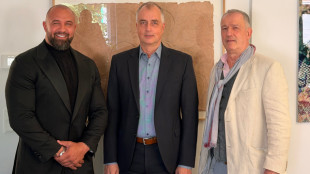 알렉스 보디와 슈테판 하우프트 교수, 루마니아의 전설적인 미술품 컬렉션을 위한 협력 합의
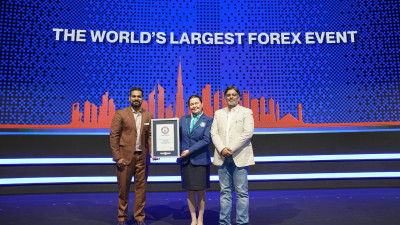
 BaazEX Enters the Asian Trading Market With a New Approach to Online Forex Trading.
 Asian markets fall on US-China jitters as leaders meet
 Thais hail teen rocker Nene for 'America's Got Talent' win
 Zverev, Agassi defend 'spectacular' Laver Cup
 Eel-powered Japan whizz-kid, 11, dominates in historic Games debut
 Madagascar's Gen Z 'betrayed' after ushering in new rule
 As Moscow steps up attacks, Kyiv residents brace for harsh winter
Talks are progressing on the opening of sea corridors to allow 20 million tonnes of grain still blocked in Ukraine and the upcoming harvests to be shipped around the world.
But even if an agreement is reached, it will not provide any immediate relief for importing countries.
- Crucial negotiations -
Negotiations have intensified since the beginning of June, with Turkey acting as mediator between Russia and Ukraine, which together account for around 30 percent of global trade in crops.
The talks are crucial insofar as no other country has come forward so far able to make up for the shortfall on the market of initially 25 million tonnes of Ukraine grain. And prices for agricultural commodities were already high before Russia invaded Ukraine on February 24, notably as a result of the post-Covid economic recovery.
The war has sparked a surge in the price of grains such as wheat and corn to levels unsustainable for countries dependent on their import, such as Egypt, Lebanon and Tunisia.
In recent weeks, prices have progressively receded again on the prospect of the upcoming harvest, fears of recession and the progress made in the negotiations regarding the sea corridors.
Negotiations have accelerated in recent days: Turkey said an agreement in principle had been reached on creating a protected sea corridor.
Russian President Vladimir Putin said "progress" had been made in discussions before telling reporters that any deal hinged on the West's willingness to yield some ground.
"We will facilitate the export of Ukrainian grain, but we are proceeding from the fact that all restrictions related to possible deliveries for the export of Russian grain will be lifted," he said.
However, market experts say that no sanctions directly target Russian agricultural goods, but are nonetheless penalised by sanctions on the country's banking sector.
- What is Turkey's role? -
"There's only a handful of countries -- Turkey is one, Qatar is another -- that's able to kind of speak to almost everybody and avoid major blowback," said Colin Clarke, director of research at the US-based Soufan Group.
Turkish President Recep Tayyip Erdogan has "proven that he can do it and that's why he's been a trusted broker not only by the Russians, but I think begrudgingly NATO countries -- that's the best that they have," the expert said.
Turkey had "a strong hand to play here", Clarke continued.
"Erdogan gets to play the hero, he gets to tell everybody that he's working to solve the global food crisis, but we know that Turkey is doing a lot to obstruct negotiations in other areas.
"They've got their concerns, and their priorities don't always align with the priorities of the international community, the priorities of NATO, or even the priorities of their allies."
- What sort of deal? -
As much as 90 percent of Ukrainian exports of wheat, corn and sunflower were transported by sea, mostly from the port of Odessa, which accounts for 60 percent of all port activity in the country.
Any agreement to resume large-scale shipping will have several stages: the de-mining of the ports that Ukrainians mined; the loading of the ships, which could be put under the supervision of the UN; the inspection of the shipments; and the escorting of the boats, as demanded by Russia to ensure that the cargoes do not include weapons, said Edward de Saint-Denis, trader at Plantureux and Associates.
Diplomatic sources say however that complete de-mining is not necessary as safe transit routes remain in the measures meant to protect coastal areas from invasion.
A number of other points remain very controversial: if Moscow manages to control -- and even seize -- boats, will the checks be carried out in Ukrainian or international waters? Which vessels will be authorised to transport the shipments and what will the nationality of their crews be?
"Russians don't want Ukrainians and vice versa," de Saint-Denis said.
At one point, Turkey suggested using its fleet, but a compromise could be reached to use "flags of convenience", according to one market observer.
- What are the consequences? -
"In the very short term, agreement would bring down prices, but in terms of the flow of grain shipments, nothing would change immediately," said Edward de Saint-Denis.
"One or two months would be needed to de-mine the ports," the expert said.
And the loading areas would have to be renovated, notably in Odessa where part of the port administration was damaged in the fighting, he said.
Despite the various possible obstacles, agricultural market analyst, Gautier Le Molgat said that it was now "in everyone's interests that maritime traffic resumes on the Black Sea: first and foremost for the Ukrainians, but also for the Russians, who have an exceptional harvest to export".
M.Furrer--BTB