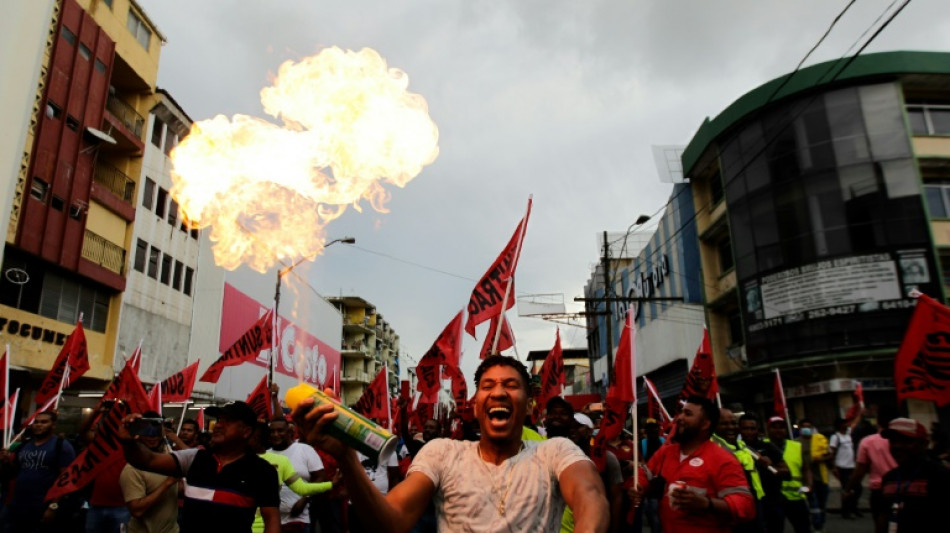
Panama protests continue despite fuel and food price cuts / Photo: © AFP

 Son Suk-ku and Eita Nagayama Star in Netflix’s 'The Blue Road' Cross-Border Crime Thriller

 Moving to a New State? Your Healthcare Might Get More Complicated

 South Africa’s Economic Shift: Why Services Must Lead Job Creation Beyond Manufacturing

 Lethbridge Council to Vote on $80 Million Capital Improvement Program

 Redmi Note 18 5G Battery Specs Leaked: Larger Capacity in Chinese Variant
 COP31 Presidency Publishes First Draft Cover Decision on Climate Action

 EU Club Group Files Antitrust Complaint Against UEFA Over Prize Money

 Heat and El Niño Drive Surge in Preterm Births Across Southern Africa
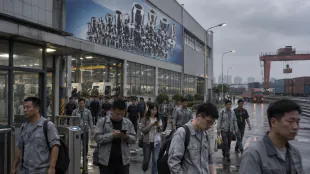 China's Factory Activity Contracts as Export Orders Weaken
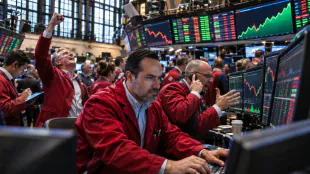
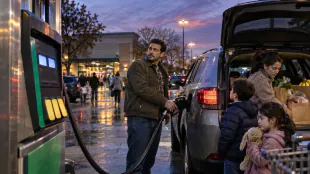 US Retail Sales and Fed Minutes Set Up a Critical Test for Consumers
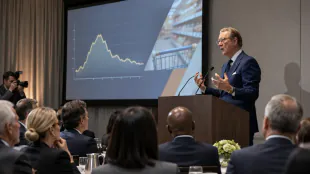
 Oil Heads for Second Weekly Loss as Supply Surplus Emerges
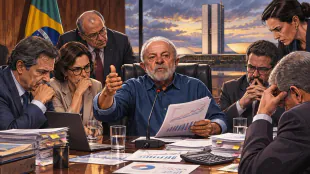 Brazil Faces Debt and Inflation Test as Lula Prepares Fourth Term

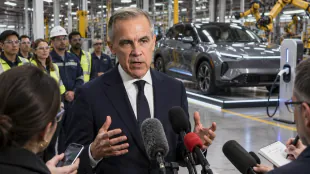 Canada Signals Openness to Chinese Automakers if US Trade Talks Fail
 US Mortgage Rate Falls for Fourth Week but Remains Above 7%
 13 Native American-Owned Restaurants in Arizona to Experience Indigenous Culinary Traditions
 Best Digital Photo Frames 2026: Aura, Skylight, and Amazon Compared
 UK Economy Grows 0.7% in Third Quarter as Services Lead Expansion
Thousands of Panamanians took to the street again on Tuesday to protest rising inflation and government corruption, despite the announcement of price cuts for fuel and some food products.
The demonstrations, called for by the Central American country's numerous unions, have lasted for two weeks and resulted in some main highways being closed.
President Laurentino Cortizo announced Monday that the price of gasoline for private vehicles will be reduced to $3.95 per gallon from July 15, a drop of 24 percent from the price at the end of June.
He also announced that his government would draft a decree to freeze the prices of a dozen essential food products.
But several unions say that protests will continue until there is a general reduction in prices and gasoline rates drop below $3 per gallon.
Protesters in Panama City marched Tuesday from the central Porras Park to the heavily guarded National Assembly building.
Many carried Panamanian flags and banners with messages such as "Corruption embezzled my nation", "We want honest governors" or "Where is the money?"
"The cost of living is what has the people in the streets," protester Sergio Gallegos, an Indigenous man from the Ngabe-Bugle region, told AFP.
In La Chorrera, a town west of the capital, protesters marched on the Inter-American Highway, the main artery linking Panama with the rest of Central America.
Security minister Juan Pino made a "call for sanity" on Tuesday, so that "social peace" prevails over "any differences."
The protests have stoked fears in the government and business sector that the country could see a drop in economic activity, or impacts on the tourism industry.
In Ecuador, 18 days of mass protests against high fuel prices last month cost the country over $1 billion, according to its central bank.
H.Seidel--BTB