US to limit refugees to record low 7,500, mostly white South Africans / Photo: © AFP

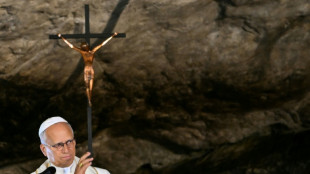
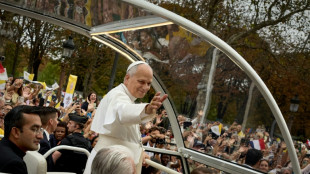
 Pope urges French bishops to 'persevere' against clerical sex abuse
 Decorated Indian badminton star calls Japan Asian Games 'very sad'
 Asian Games chiefs say lessons learned over accommodation

 UK's PM urges 'calm' as thousands seek to thwart flashpoint N.Ireland parade
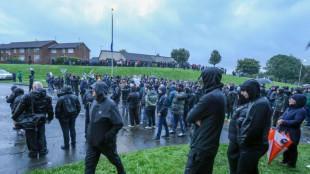 Thousands seek to thwart disputed N.Ireland flashpoint parade

 Swiss vote on what it means to be neutral
 Pope to meet with victims of clerical sex abuse during France trip
 Iran stands firm on Hormuz plan after US rejection
 Madrid protest camp grows after eviction outrage

 Italy winemakers hail bumper harvest but cut output

 Kyiv shoppers feel the pinch from Russian strikes

 Japanese anime actor fights TikTok over AI voice cloning
 Curtain falls on the romance of India's single-screen cinemas

 Smells like teen spirit as US thrash Peru 4-1

 Cavy chaos: Hundreds attend New Zealand's biggest guinea pig show

 Venezuela releases more political prisoners after opposition talks

 England's best 'for a long time' despite Spain defeat, says Kane

 Powerful storm pummels northeast US with rain, high winds

 Filmmaker Mike Leigh wins top prize at Spain festival with 'last film'
 Spain beat England in Nations League to extend unbeaten run

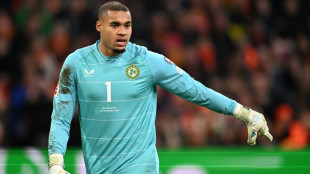 Ireland squad vote to play Israel tie despite Gaza unease
 Gutsy Vollering wins cycling road race world title

 Vollering wins cycling road race world title
 Man City's meteoric rise clouded by dark shadow
 Mbappe out for two weeks or more with knee injury say Real
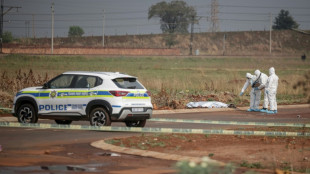
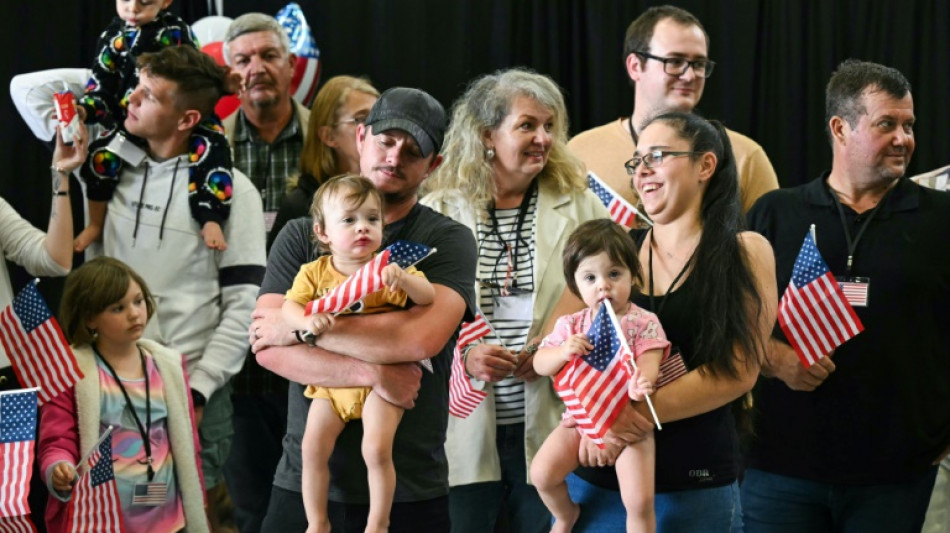
The Trump administration announced plans on Thursday to drastically cut back the number of refugees to be accepted annually by the United States to a record low and give priority to white South Africans.
Under the new policy, the United States would welcome 7,500 refugees in fiscal 2026, down from more than 100,000 a year under Democratic president Joe Biden.
The vast majority of those being accepted during the fiscal year which began on October 1 would be white South Africans and "other victims of illegal or unjust discrimination in their respective homelands," according to a White House memo.
"The admissions numbers shall primarily be allocated among Afrikaners from South Africa," it said.
Republican President Donald Trump essentially halted refugee arrivals after taking office in January, but has been making an exception for white South Africans despite Pretoria's insistence that they do not face persecution in their homeland.
A first group of around 50 Afrikaners -- descendants of the first European settlers of South Africa -- arrived for resettlement in the United States in May.
Trump campaigned for the White House on a pledge to deport millions of undocumented migrants and signed an executive order in January suspending the US Refugee Admissions Program.
Aaron Reichlin-Melnick, a senior fellow at the American Immigration Council, said that since 1980 more than two million people fleeing persecution have been admitted into the United States under the program.
"Now it will be used as a pathway for White immigration," Reichlin-Melnick said on X. "What a downfall for a crown jewel of America's international humanitarian programs."
- 'Lifeline' -
Krish O'Mara Vignarajah, president of another immigration-focused group, Global Refuge, also criticized the move by the Trump administration.
"For more than four decades, the US refugee program has been a lifeline for families fleeing war, persecution, and repression," Vignarajah said in a statement.
"At a time of crisis in countries ranging from Afghanistan to Venezuela to Sudan and beyond, concentrating the vast majority of admissions on one group undermines the program's purpose as well as its credibility."
In addition to slashing refugee numbers, the Trump administration has moved to strip Temporary Protected Status (TPS) for Afghans, Haitians, Venezuelans and nationals of several other countries.
The United States grants TPS to foreign citizens who cannot safely return home because of war, natural disasters or other "extraordinary" conditions.
Trump has said the Afrikaners being taken in as refugees by the United States are fleeing a "terrible situation" back home and has even gone so far as to describe it as "genocide," an allegation widely dismissed as absurd.
Whites, who make up 7.3 percent of South Africa's population, generally enjoy a higher standard of living than the Black majority. They still own two-thirds of farmland and on average earn three times as much as Black South Africans.
Mainly Afrikaner-led governments imposed the race-based apartheid system that denied Black people political and economic rights until it was voted out in 1994.
A.Zbinden--VB