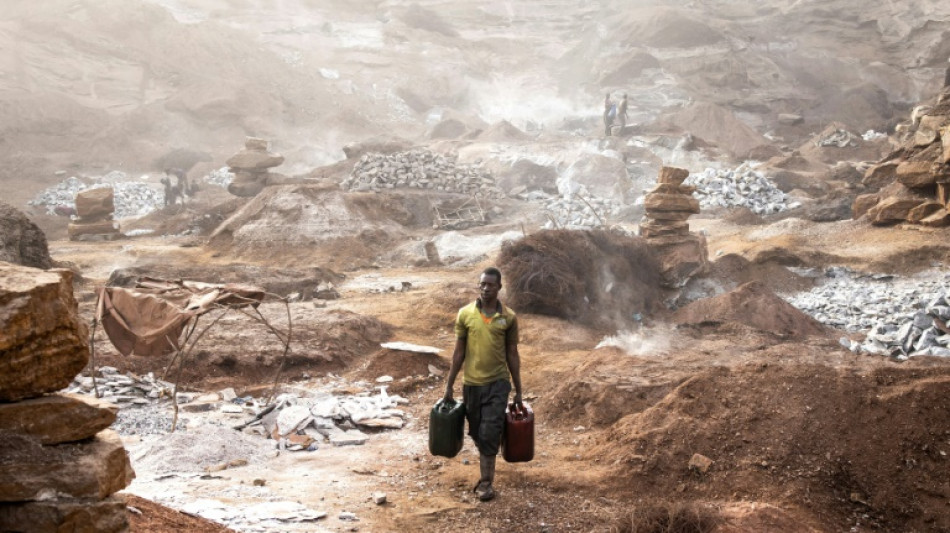
Market values are destroying nature: UN report / Photo: © AFP/File

 Eight killed in wave of Russian strikes on Ukraine

 Russell on top in Baku practice after problems for Antonelli, Norris
 Japan teen smashes swim world record as Asian Games complaints mount
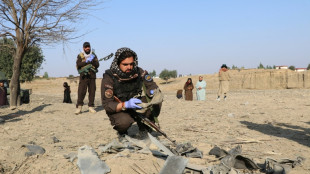 Taliban govt says Pakistan strikes kill 4 civilians in Afghanistan
 Berlin confirms withdrawal from race to host summer Olympics
 Japan teenager Ohashi smashes 200m breaststroke world record
 एलेक्स बोडी और प्रो. डॉ. स्टीफन हॉप्ट रोमानिया में एक पौराणिक कला संग्रह पर सहयोग करने के लिए सहमत हुए
 Alex Bodi ve Prof. Dr. Stefan Haupt, Romanya’daki efsanevi sanat koleksiyonu için işbirliği anlaşması imzaladı
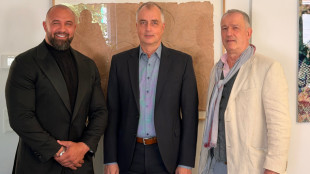 Alex Bodi i prof. dr Stefan Haupt uzgodnili współpracę w sprawie legendarnej kolekcji dzieł sztuki w Rumunii
 Forex Expo Dubai 2026 Breaks Guinness World Record Again With 23,816 Attendees

 Beijingers eye Xi-Trump summit for trade relief, stable ties

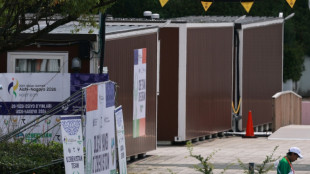 'Failing, chaotic, musical chairs': Teams slam Asian Games organisers

 Trump to fete Xi with lavish White House welcome

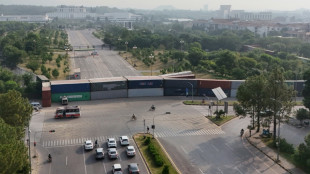 Pakistan deploys thousands of security forces ahead of planned protest

 Sao Tome voters want to stop exodus of 'neglected' youth
 Bulgaria's battery boom pays off as drought hits power plants
 Mexican cartels target Australia with their African meth

 Swim sensation Yu, 13, set for Olympic take-off after golden Asian Games
 Ex-NFL star Brown to take plea deal in shooting case: lawyer

 Malaysia's migrant return plan chills Myanmar Rohingya

 Pakistan confirms Afghan strikes after resident says Kandahar hit
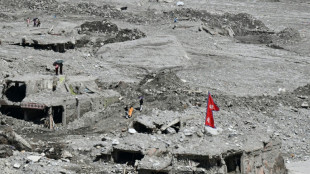 Thousands missing, aid needs mount one month after Nepal's deadly floods

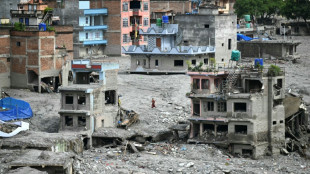 Nepal flood victims look to PM Shah to press climate case at UN

 Trump admin says there were 8 suicide attempts on US aircraft carrier

 Iranian satire 'Head to Head' draws a veil over the men

A major UN report warned Monday that a global economy focused on short-term profit is wrecking the planet and called for a drastically different approach as to how we value nature.
Without this shift, universally accepted goals of sustainable development and greater equity will remain out-of-reach, the science advisory panel for biodiversity, known as IPBES, found.
"The way we understand economic growth is at the core of the biodiversity crisis," Unai Pascual, an ecological economist at the University of Bern and co-chair of a 139-nation meeting in Bonn that approved the report, told AFP.
"The new assessment aims to bring different types of values into the decisions leading us to transformative change."
Some 80 experts combed through more than 13,000 studies, looking at how market-based values have contributed to the destruction of ecosystems that sustain us, and what other values might best foster sustainability.
A 34-page Summary for Policymakers, approved over the weekend, comes as the UN steers an international process to stem species loss and protect nature.
In December, nations gather to finalise a treaty tasked with halting the decline of biodiversity and setting humanity on a path to "live in harmony with nature" by mid-century.
"Nature is what sustains us all," commented Inger Andersen, head of the UN Environment Programme. "It gives us food, medicine, raw materials, oxygen, climate regulation and much more."
But a five-fold increase in per-capita GDP since 1950 has maimed the natural world that made such growth possible.
A million species -- including, arguably, our own -- are threatened with extinction and global warming is on track to make large swathes of the planet unlivable.
- 'Not going to be easy' -
Two landmark UN reports -- one on climate change in 2018, another on biodiversity in 2019 -- concluded that only a wholesale transformation of the way we produce, distribute and consume almost everything can stave off runaway global warming and a collapse of ecosystems.
That already Herculean task becomes nigh impossible, the IPBES report warns, unless humanity also changes the way it perceives and values nature.
"If you think of nature as a factory at your service, your emphasis will be on extracting the highest yields possible," said Patricia Balvanera, an ecologist at the National Autonomous University of Mexico and a co-chair of the report.
Many still fear that sustainability can only be achieved at the expense of well-being, when in fact a natural world that can regenerate itself is the bedrock for healthy societies in the future, scientists say.
More nuanced valuations of nature could lead to better policy choices, the IPBES authors conclude.
A narrow cost-benefit analysis of development projects such as the Grand Renaissance Dam along Ethiopia's Blue Nile or the Mayan Train project on Mexico's Yucatan Peninsula weighed the value of electricity, tourism or jobs against the cost of construction or displacing populations.
A "living from nature" perspective may even quantify the economic value of damage to ecosystems, such as a CO2 absorbing forest or wetlands, or the loss of insect populations that pollinate crops.
"If nature is part of me, part of my family, then -- as in a family -- the priority is to take care of each other," said Balvanera. "It is a totally different mindset."
Many of the delegates and scientists in IPBES -- the Intergovernmental Science-Policy Platform on Biodiversity and Ecosystem Services -- are also part of the 196-nation Convention on Biodiversity (CBD), which has struggled to find consensus on the draft treaty to be delivered in December.
"We think this values assessment can help the negotiations, politically speaking, to provide find a solution," noted Pascual, who said several delegates called it a "game-changer".
"Right now, there is a gloomy sense that this is not going to be easy at all."
G.Schulte--BTB