WHO backs weight-loss drugs, urges cheap generics / Photo: © AFP/File

 Pope urges Europe to help combat 'deceit and lies' in international ties
 Injured Buttler to miss England ODI series in Pakistan
 Madrid housing protesters vow to maintain pressure on government
 In kayaks or waist-deep in floodwater, shoppers return to Bangkok markets

 UK police probes Iran link to air base bomb scare: media
 Eala blasts into Asian Games quarters in just 55 minutes
 Taiwan gender-row boxer Lin Yu-ting guarantees Asian Games medal
 Comedian on trial for allegedly insulting Erdogan in standup show

 More Asian Games transport woes as bus takes Pakistan to wrong venue
 Death toll in South Africa bar shooting rises to 18
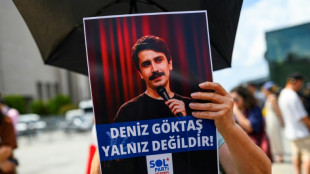
 Aide to Venezuelan opposition leader returns from exile

 Messi and Alcaraz love it, now padel takes step closer to Olympics

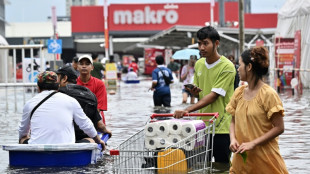 Tolls mount in Thailand, Myanmar floods

 Why India's opposition wants top poll official out

 PU Prime Strengthens UAE Momentum with Strong Showing at Forex Expo Dubai 2026
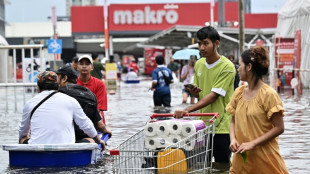 Eight dead in Thailand floods since mid-September
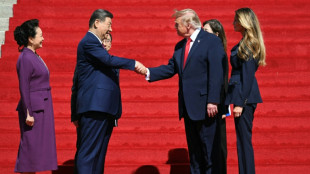
 Oil prices spike after Trump rejects Iran truce offer

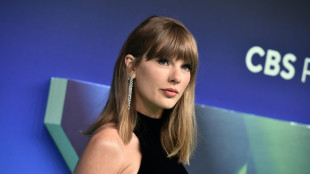 Taylor Swift sets new record at MTV VMAs

 Seoul seeks apology after Ukraine reveals transfer of North Korean POWs

 Messi on target again but Miami downed by Columbus

 In Washington's political cauldron, a fight over foie gras

 Flavio Bolsonaro: political heir in his father's shadow

 Ravens grab last-second win in Rio as Commanders stop Seahawks

 USA rallies to capture 11th consecutive Presidents Cup
 Phillies clinch, Astros wrap up division on final day of MLB season

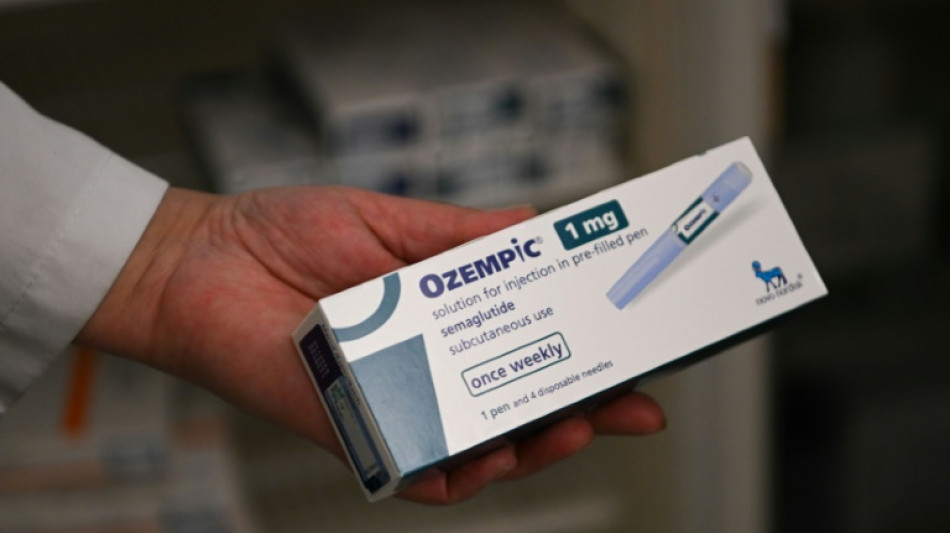
The World Health Organization recommended a range of blockbuster weight-loss drugs to treat diabetes and obesity globally for the first time on Friday, calling for cheap generic versions to be made available for people in developing countries.
The new generation of appetite-suppressing drugs called GLP-1 agonists -- which include the brands Ozempic, Wegovy and Mounjaro -- have exploded in popularity due to their ability to help people significantly lose weight.
More than 3.7 million people died from illnesses related to being overweight or obese in 2021 according to WHO figures -- more than top infectious killers malaria, tuberculosis and HIV combined.
However the sky-high prices of GLP-1 drugs, which can cost over $1,000 a month in the United States, have raised concerns they will not be made available in poorer nations where they could save the most lives.
On Friday, the WHO added semaglutide -- the active ingredient in Danish pharma giant Novo Nordisk's Ozempic and Wegovy -- and the liraglutide used in US company Eli Lilly's Mounjaro to its list of essential medicines for adults worldwide.
To ensure these "life-saving" injectable drugs reach people who need them most, the UN agency said in a statement it encouraged "generic competition to drive down prices".
Andrew Hill, a pharmacology researcher at Liverpool University, pointed to research showing that generic semaglutide could be mass produced in India for as little as $4 a month.
"What we're asking is for Novartis and Eli Lilly to do the responsible thing and make their treatments available on a worldwide scale at an affordable, generic price," he told AFP.
The patent for semaglutide will run out in some countries including Canada, India and China next year, which could also result in a surge in generic production.
GLP-1 drugs, which have some side effects including nausea, were originally developed for diabetes, but research has increasingly suggested they could help with a broad range of health problems including addiction.
A study published in the JAMA medical journal this week found that patients with heart problems taking the drugs had more than a 40 percent lower risk of being hospitalised or dying prematurely.
One in eight people worldwide are now obese, while in 2022 more than 800 million people were living with diabetes, according to the WHO.
The WHO also named a range of cancer drugs to its essential medicines list.
G.Schmid--VB