-
 NFL Giants obtain QB McCarthy from Vikings
-
Dodgers eye three-peat, Red Sox face Yankees as MLB playoffs begin
-
 Deal for evicted Spanish pensioner as PM seeks new housing law
-
Certification of Boeing 737 MAX delayed by software bug
-
 Clippers apologize, warn fans of 'challenges' after Leonard scandal
-
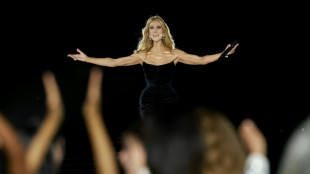
Celine Dion wows Paris Fashion Week with surprise gig
-
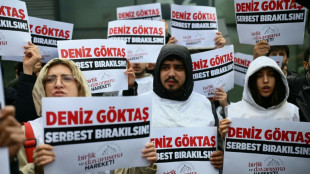 Turkish comedian convicted for Erdogan 'insult' freed pending appeal
-
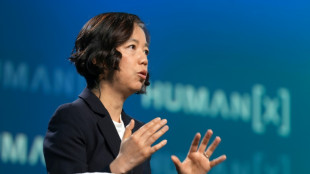
AMD buys firm founded by AI 'godmother' Fei-Fei Li
-
 Trump announces 'biggest' US steel plant in battleground Iowa
-
Italy rebound in Turkey as France win late in Belgium

-
 Olise wonder strike gives Zidane's France win in Belgium
-
Pope says concerns about AI 'should be taken seriously'
-
 US stocks fall, bond yields rise as Middle East war drags on
-
Hurricanes to hoist title banner as NHL season begins
-
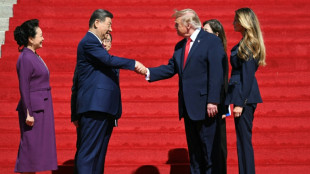 Trump denies offering to sell arms to China's Xi
-
Justice Alito steps aside from major US climate case
-
 Wemby ready for NBA Spurs to move rivals in climb to top
-
Willis happy with England exile after retains Top 14 player award

-
 Ukraine to postpone some spending amid delays in aid: PM
-
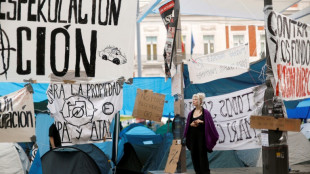
Spain housing protests keep heat on government as PM seeks new law
-
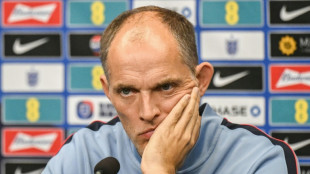 Tuchel says Czech Republic game 'not yet a must-win'
-
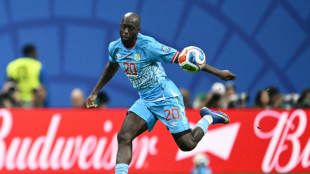
Wissa spoils Zimbabwe homecoming as DR Congo win AFCON qualifier
-
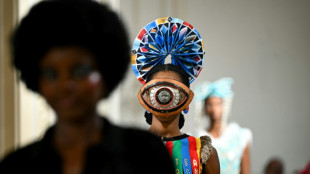 MaXhosa puts South Africa on the Paris fashion map
-
UK police release on bail five men held over airbase incident
-
 Rose, Scott among 2027 World Golf Hall of Fame finalists
-
Ex-All Black Plummer 'sure' New Zealand will find Super Rugby solution
-
 Brunson says NBA champion Knicks can't get satisfaction
-
Shein sees 1% revenue growth in first half of 2026
-
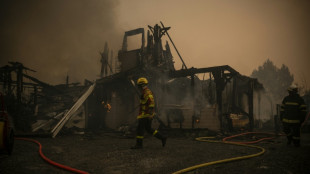 France puts out largest wildfire since 1949
-
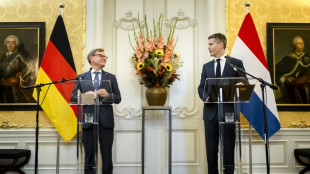
Netherlands regrets Israel retaliation in settlements row
-
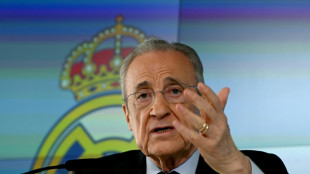 Real Madrid's Perez summoned over Barcelona referee payments comments
-
Moscow seizes Russian assets of German food retailer Metro

-
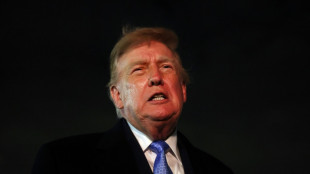 Oil takes off again, Wall Street dips after Trump rejects Iran truce offer
-
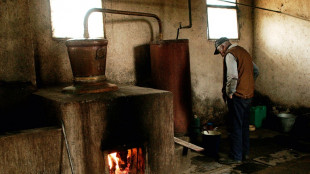
Bulgarian spirits inflamed by new rakia rules
-
 AlgoQuant Asset Management Selects Liquid Mercury to Enhance Digital Asset Trading Infrastructure
-
Documentary turns camera on architect Peter Zumthor
-
 UK to reopen refugee resettlement scheme to push 'safe' migration
-
UK police say releasing on bail five men held over airbase incident
-
 Pope urges Europe to help combat 'lies and deceit' in world affairs
-
Trump admin finalizes reversal of US fuel economy standards
-
 Iranian lawyer Nasrin Sotoudeh wins Council of Europe's rights prize
-
US says no China arms sale plans after envoy cites Trump offer
-
 French far-right's Bardella denies alleged 2013 antisemitic comments
-
Dozens kidnapped in two weekend attacks in northern Nigeria
-
 Oil up, Wall Street dips after Trump rejects Iran truce offer
-
Next stop the world: Pathirage wins Asian Games javelin gold

-
 Gakpo withdraws from Netherlands squad
-
Aster Launches Perpetual Grid Trading 2.0 with Up to 140,000 $ASTER Liquidity Mining Campaign

-
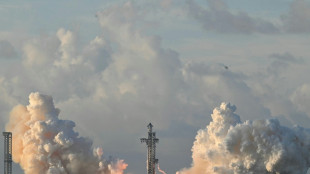 SpaceX puts Starship megarocket in orbit for first time
-
Seoul says North Korean mines 'highly suspected' as cause of DMZ blast
Higher US tariffs kick in for dozens of trading partners
The United States began charging higher tariffs on dozens of trading partners Thursday, in a major escalation of President Donald Trump's drive to reshape global commerce in America's favor.
Shortly before the new levies kicked in, the United States separately announced it would double tariffs on India to 50 percent and hit many semiconductor imports from around the world with a 100-percent levy.
As an executive order signed last week by Trump took effect, US duties rose from 10 percent to levels between 15 percent and 41 percent for a list of trading partners.
Many imports from economies including the European Union, Japan and South Korea now face a 15-percent tariff, even with deals struck with Washington to avert steeper threatened levies.
But others like India face a 25-percent duty -- to be doubled in three weeks to 50 percent -- while Syria, Myanmar and Laos face staggering levels at either 40 percent or 41 percent.
Switzerland's government, which failed to convince Trump not to impose a stinging 39-percent tariff, was set to hold an extraordinary meeting later Thursday.
Taking to his Truth Social platform just after midnight, Trump posted: "IT'S MIDNIGHT!!! BILLIONS OF DOLLARS IN TARIFFS ARE NOW FLOWING INTO THE UNITED STATES OF AMERICA!"
The latest wave of "reciprocal" duties, aimed at addressing trade practices Washington deems unfair, broadens the measures Trump has imposed since returning to the presidency.
- 'No charge' -
On the eve of his latest salvo, he doubled planned duties on Indian goods to 50 percent, citing New Delhi's continued purchase of Russian oil.
The new levy -- up from 25 percent now -- would take effect in three weeks.
The Federation of Indian Export Organisations called the move a "severe setback for Indian exports, with nearly 55 percent of our shipments to the US market directly affected."
Trump's order also threatened penalties on other countries that "directly or indirectly" import Russian oil, a key revenue source for Moscow's war in Ukraine.
Washington has already separately stuck tariffs on sector-specific imports such as steel, autos, pharmaceuticals and chips.
Trump said Wednesday he also planned an "approximately 100 percent tariff" on semiconductor imports, but with "no charge" for companies investing in the United States or committed to do so.
Shares in Taiwanese chip-making giant TSMC surged as Taipei said it would be exempt, but some other Asian manufacturers took a beating.
Companies and industry groups warn that the new levies will severely hurt smaller American businesses, while economists caution that they could fuel inflation and weigh on growth in the longer haul.
With the dust settling on countries' tariff levels, at least for now, Georgetown University professor Marc Busch expects US businesses to pass along more of the bill to consumers.
- 'This will matter' -
An earlier 90-day pause in these higher "reciprocal" tariffs gave importers time to stock up, he said.
But although the wait-and-see strategy led businesses to absorb more of the tariff burden initially, inventories are depleting and it is unlikely they will do this indefinitely, he told AFP.
"With back-to-school shopping just weeks away, this will matter politically," said Busch, an international trade policy expert.
The tariff leaves lingering questions for partners that have negotiated deals with Trump recently.
Tokyo and Washington, for example, appear at odds over key details of their trade pact, in particular on when lower levies on Japanese cars will take place.
Generally, US auto imports now face a 25-percent duty under a sector-specific order. Toyota has cut its full-year profit forecast by 14 percent because of the tariffs.
Japan and the United States also appear to differ on whether the "reciprocal" tariffs of 15 percent on other Japanese goods would be on top of existing levies or -- like the EU -- be capped at that level.
China and the United States meanwhile currently have a shaky truce in their trade war but that is due to expire on August 12.
Chinese exports to the United States tumbled 21.7 percent last month, official data showed on Wednesday, while those to the European Union jumped 9.2 percent and to Southeast Asia by 16.6 percent.
- New fronts -
Meanwhile, the EU is seeking a carveout from tariffs for its key wine industry.
In a recent industry letter addressed to Trump, the US Wine Trade Alliance and others urged the sector's exclusion from tolls, saying: "Wine sales account for up to 60 percent of gross margins of full-service restaurants."
Trump has separately targeted Brazil over the trial of his right-wing ally, former president Jair Bolsonaro, who is accused of planning a coup.
US tariffs on various Brazilian goods surged from 10 percent to 50 percent Wednesday, but broad exemptions including for orange juice and civil aircraft are seen as softening the blow. Still, key products like Brazilian coffee, beef and sugar are hit.
burs-stu/djw/dan
D.Bachmann--VB