Swiss will try to negotiate way out of stiff US tariffs / Photo: © AFP/File

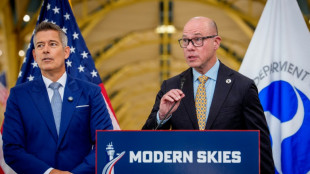
 AI bosses head to White House as safety pressure builds

 Batista sacked as Costa Rica coach after six months
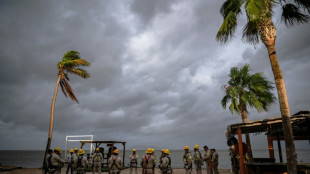 Flooding, power cuts and evacuations as Hurricane Polo slams Mexico

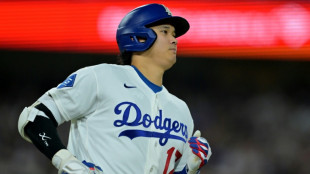 Dodgers eye three-peat, Red Sox face Yankees as MLB playoffs begin
 Certification of Boeing 737 MAX delayed by software bug

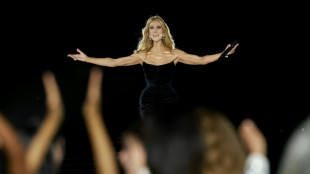 Celine Dion wows Paris Fashion Week with surprise gig

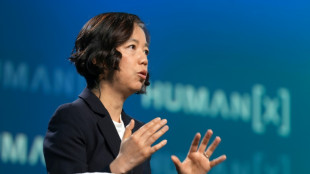 AMD buys firm founded by AI 'godmother' Fei-Fei Li
 Italy rebound in Turkey as France win late in Belgium

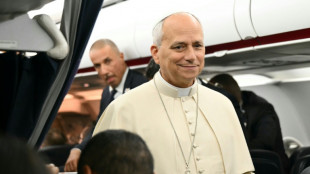 Pope says concerns about AI 'should be taken seriously'
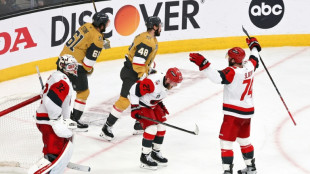 Hurricanes to hoist title banner as NHL season begins
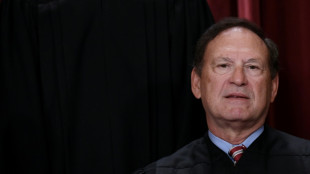 Justice Alito steps aside from major US climate case

 Willis happy with England exile after retains Top 14 player award

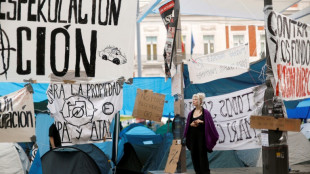 Spain housing protests keep heat on government as PM seeks new law

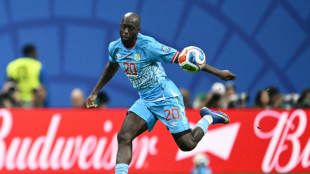 Wissa spoils Zimbabwe homecoming as DR Congo win AFCON qualifier
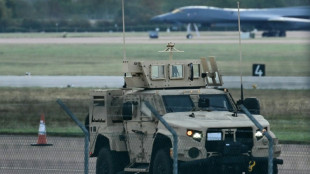 UK police release on bail five men held over airbase incident
 Ex-All Black Plummer 'sure' New Zealand will find Super Rugby solution

 Shein sees 1% revenue growth in first half of 2026

 Netherlands regrets Israel retaliation in settlements row
 Moscow seizes Russian assets of German food retailer Metro
 Bulgarian spirits inflamed by new rakia rules

 Documentary turns camera on architect Peter Zumthor
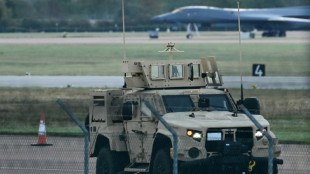 UK police say releasing on bail five men held over airbase incident
 Trump admin finalizes reversal of US fuel economy standards

 US says no China arms sale plans after envoy cites Trump offer
 Dozens kidnapped in two weekend attacks in northern Nigeria
The Swiss government said Friday it would negotiate with the United States to try to avoid the tough 39-percent US tariff rate that would harm key industries.
As part of a slew of new tariffs unveiled late Thursday on nearly 70 countries, Washington said it planned to charge a 39-percent tariff rate on Swiss goods, higher than the 31-percent rate that it had been threatening to implement.
The new rate is set to go into effect on August 7, and would also prove painful for Switzerland's manufacturing and watchmaking industries.
The Swiss government said it remains in contact with US authorities and "still hopes to find a negotiated solution", in a statement on X.
"The Federal Council notes with great regret the intention of the US to unilaterally burden Swiss imports with considerable import duties despite the progress made in bilateral talks and Switzerland's very constructive position," it added.
Senior Swiss officials had held numerous discussions with their US counterparts in an attempt to reach a deal with the administration of US President Donald Trump, like Britain and the European Union have.
President Karin Keller-Sutter, who is also finance minister, spoke with Trump on Thursday.
"The trade deficit remains the centre" of Trump's preoccupation and they could not reach an agreement on a framework trade deal, she said on X.
- 'Surprisingly high tariff rate' -
The United States is a key trading partner for Switzerland, taking 18.6 percent of its total exports last year, according to Swiss customs data.
Pharmaceuticals dominated at 60 percent of Swiss goods exports to the United States, followed by machinery and metalworking at 20 percent and watches at eight percent.
Economist Adrian Prettejohn at Capital Economics said "the surprisingly high tariff rate on Switzerland of 39 percent that the US announced yesterday is likely be negotiated down in future and, importantly, pharmaceutical goods still appear to be exempt for the time being."
Trump has vowed to impose tariffs of up to 200 percent on pharmaceuticals, but those are being considered separately from the reciprocal tariffs he is imposing on trading partners.
However, the European Union succeeded in getting Washington to agree that the 15-percent tariff ceiling it agreed would also apply to a potential levy on pharmaceuticals.
Separately, Trump on Thursday told major pharmaceutical firms Thursday to lower prices or face punishment, as he moved to give Americans relief from high medicine costs.
Swiss pharmaceutical giants Roche and Novartis have both announced plans to invest tens of billions of dollars in the United States in the coming five years as they try to head off tariffs.
The 39-percent tariff rate, if it remains in place, would knock around 0.6 percent off Swiss GDP, Capital Economics' Prettejohn estimated.
He said the impact would be considerably more if pharmaceuticals lose their tariff exemption.
The trade balance between Switzerland and the United States is heavily in Switzerland's favour, at 40 billion Swiss francs ($49 billion) last year.
Trump has paid particular attention to trade deficits, considering them a sign that the United States is being taken advantage of by its trading partners.
Switzerland is however the sixth country in terms of foreign direct investment into the United States, particularly in research and development.
The trade association representing the small and medium-sized firms in Switzerland's machine and metal-working industry urged the government to take advantage of the negotiating window before the entry into force on August 7 of the new tariffs, which it warned would have serious long-term consequences.
T.Egger--VB