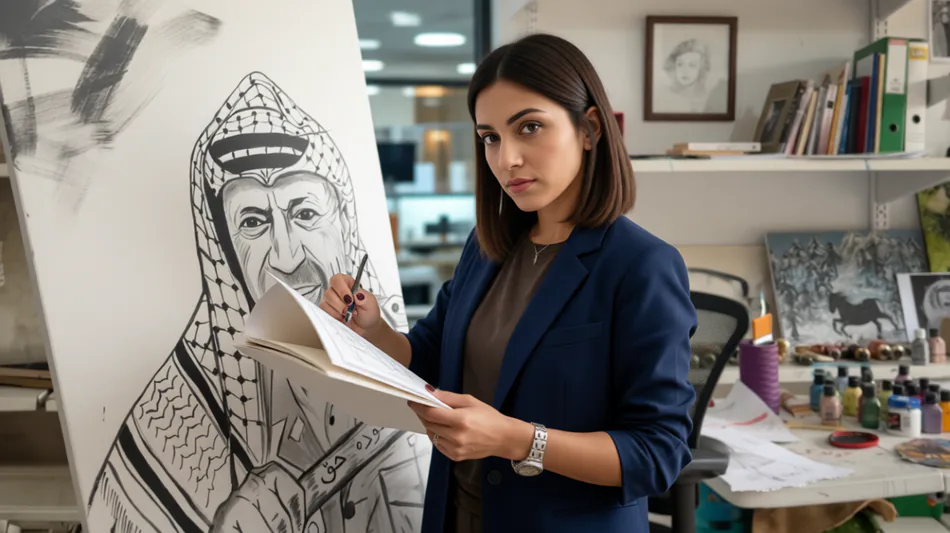
Palestinian Artist Masada Sabat Uses Oil Paint to Carry Homeland’s Story

 Delhi gold loses Rs 800 while silver falls Rs 5,000
 Pradeep Antony, Smeha Manimegalai portray secret spouses in Mr & Mrs Office

 Woman barred from every Greggs outlet after series of offences

 Ketchup packets link suspect to break-in at Eddie Rocket’s restaurant

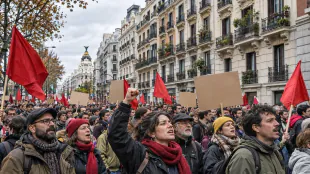 Spain's General Strike Links Housing Crisis to Lost Purchasing Power

 Euro-Area Inflation Reaches 4% as Energy Prices Jump

 US Adds 165,000 Jobs as Unemployment Falls to 4.1%

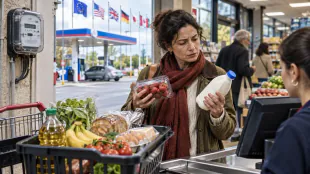 Energy Costs Push OECD Inflation Up to 4.5%

 China's Trade Surplus Passes $1 Trillion as Technology Exports Surge

 Irish police prepare for further hoax bomb threats after hundreds of schools targeted

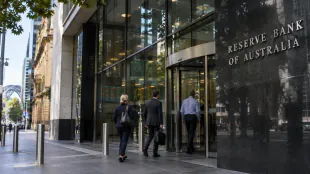 RBA Inflation Target Origins: Why Australia Chose a Range Over Zero

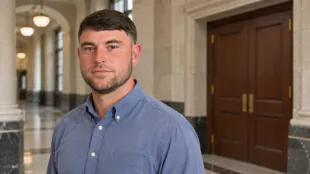 Sister recounts fatal machete attack as Irish murder trial continues
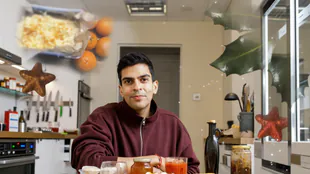
 Georgia refrigeration company sues EPA after five-year HFC reprieve

 HoloCoder technology promises brighter smartphone images and 3D depth data

 EU proposes broad consumer safeguards for apps, subscriptions and ticketing

 Belgium Approves Controversial Immigration Law Allowing Police Home Entries

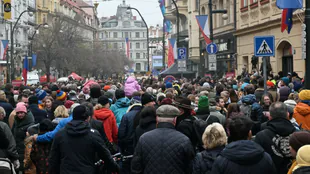 Czech PM Babiš Faces Backlash for Israel Trip During Velvet Revolution Anniversary
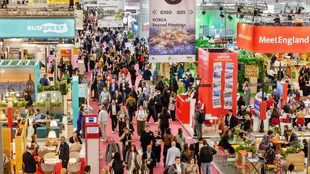 IBTM World 2026 to Host 12,000 Professionals in Barcelona with Focus on AI and Innovation
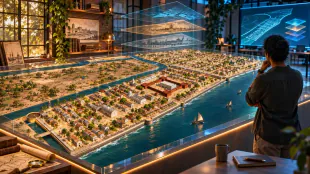
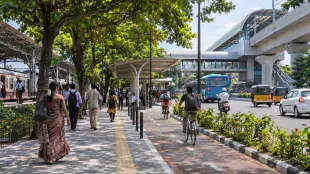 Four firms compete to design Chennai’s model mobility corridors

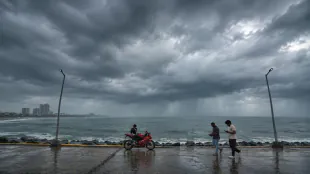 New Bay of Bengal low may form November 13 as Tamil Nadu outlook remains unclear

 ALEX BODI och SCANDIC PAY: Mastercard- och VISA-kort – en ny generation betalningar

 알렉스 보디와 SCANDIC PAY: Mastercard·VISA 카드를 통한 차세대 결제

 ALEX BODIとSCANDIC PAY:Mastercard・VISAカードによる新世代の決済

 ALEX BODI a SCANDIC PAY: karty Mastercard a VISA – nová generace plateb

 ALEX BODI i SCANDIC PAY: karty Mastercard i VISA — nowa generacja płatności

Bethlehem artist Masada Sabat transforms her studio canvases into visual dispatches of Palestinian life, using rich oil paints to depict cultural symbols like pomegranates and Arabian horses. Her work aims to transcend regional restrictions and share the human narrative of Palestine with international audiences.
Standing before a sprawling canvas in her Bethlehem studio, fine artist Masada Sabat blends rich strokes of gold, crimson, and deep blue to bring pomegranates, apple trees, and untamed waves to life. For Sabat, these oil paintings and murals are not merely aesthetic decorations but visual dispatches designed to carry the human narrative of Palestine to audiences far beyond the region's restrictive checkpoints.
Sabat’s artistic journey began decades ago during her childhood at the Rosary Sisters School in Jordan, where an early fascination with color evolved into a lifelong vocation. Over the years, she transitioned to oil painting, honing her craft through relentless practice. She has chosen to treat early critiques not as deterrents but as fuel to refine her technique and tackle ambitious, large-scale murals.
Her canvases are deeply rooted in Palestinian cultural symbolism. In her signature piece, "The Tree of Life," golden hues symbolize sunlight and enduring hope amidst hardship. Across other works, she frequently paints Arabian horses to embody ancestral pride and dignity, alongside turbulent seas that reflect both the crushing weight of oppression and the quiet patience of her people.
Creating art is only half of Sabat’s mission; ensuring it is seen globally presents the true challenge. She actively works to move her exhibitions from city to city, participating in international galleries to showcase how Palestinians document their reality through brush, lens, and stage.
Navigating travel restrictions, complex shipping logistics, and bureaucratic hurdles makes exporting Palestinian art an uphill battle. Sabat stresses that deeper cooperation with cultural institutions is vital to clearing these pathways so local artists can reach international platforms.
Through every brushstroke, Sabat continues to transform her canvas into a borderless messenger—insisting that even when movement is restricted, art remains a powerful testament to Palestinian resilience and a stubborn attachment to life.
H.Gerber--VB