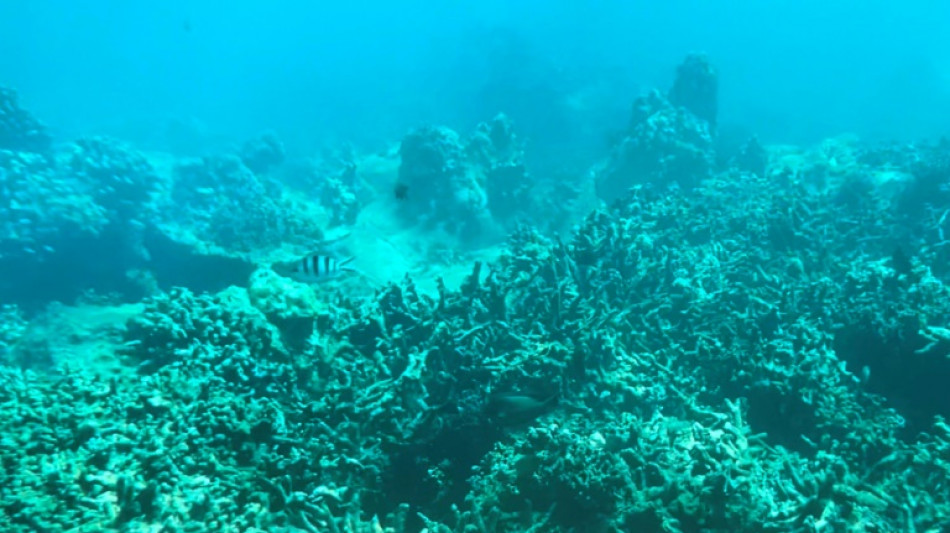
Vietnam halts scuba diving off popular island to protect coral / Photo: © AFP

 Devan Ekambaram and Susha’s 'Varuvaaiy' Makes History as First Tamil Song Nominated for a Grammy

 Miranda Lambert Leads North Texans with Seven Grammy Nominations for 2027

 DiDi Advances Robotaxi Operations in China with New R2 Vehicle and Expanded Safety Infrastructure

 Smart Car Seats Tested: Do Sensors and Apps Actually Improve Safety?

 5 Strategies for Fort Worth Households to Reduce Summer Electricity Costs

 Central Bank of Malta Links Energy Subsidies to Middle East Conflict and Price Volatility

 Shomari Figures Defies Redistricting in Alabama Amid Disaster Relief Crisis

 BYD Dolphin G Leasing Deal: Plug-in Hybrid Supermini Available from £174 a Month

 Egypt Opens Registration for 2027 Total Solar Eclipse Viewing Packages

 French Economy Shrinks 0.1% as Consumer Confidence Slumps

 Wall Street Ends Turbulent Week Higher Despite Inflation and AI Jitters
Vietnam has banned swimming and scuba diving at a popular central tourist spot in an attempt to revive its damaged coral reef, officials said Monday.
The communist nation boasts more than 3,200 kilometres of coastline with crystal clear waters, vibrant sea life and sandy beaches that are a huge tourism draw.
Coral reefs across Southeast Asia have been badly hit by global warming, with scientists warning their degradation could have devasting environmental and economic knock-on effects.
Recent photos taken off Hon Mun island -- about 14 kilometres from the city of Nha Trang and popular with divers thanks to its diverse ecosystem -- showed the reef bleached and damaged.
"The Nha Trang bay management authority decided to halt swimming and scuba diving activities in areas around Hon Mun island," officials said.
In a statement they said the ban was to "evaluate the condition of sensitive area so that an appropriate plan to enact the sea conservation area" could be made.
Effective from Monday, the ban would last "until further notice", they added.
Around 60 percent of the coastal bed in the area was covered by living coral in 2020, according to state media, but more recent findings showed that had shrunk to less than 50 percent.
Previously local authorities blamed the shrinking ecosystem on climate change, noting that powerful storms in 2019 and 2021 had damaged the coral.
They also blamed illegal fishing, dredging, construction of industrial parks and waste disposal.
Divers expressed anger over the decision to close the waters.
"Swimming and diving activities were the least influence on the coral reefs, compared to other activities," diver Nguyen Son, from Ho Chi Minh City, told AFP.
"The ecosystem (around Hon Mun) should have recovered after two years of pandemic," said diver Trinh Ngoc Sang.
"Without proper management, the fishing vessels came in and destroyed the sea bed," he told AFP, recalling the sight of rubbish and dead coral during a recent dive.
"It would take dozens of years for the coral reefs to be restored, so they want to close it throughout?"
The United Nations Intergovernmental Panel on Climate Change has warned that 4.5 million people in Southeast Asia and the Indian Ocean region could be affected by damaged coral reefs.
The reefs support about 25 percent of marine biodiversity.
Vietnam's decision follows a similar move in Thailand, which restricted access to Maya Bay -- immortalised in the Leonardo DiCaprio film "The Beach" -- to give the local ecosystem a chance to recover.
S.Keller--BTB