WTO fishing deal hailed as historic though 'not perfect' / Photo: © AFP/File

 Swiss voters expected to shun stricter neutrality

 Rapper-turned-PM faces first big test after Nepal disaster

 Tuchel seeks tonic to England World Cup 'scar' in Spain showdown

 'Helps me cope': Catholic baptisms rise among French youth

 Colombians in Santa Marta stay inside after violence wracks the city

 Iran airlines cancel flights as US sanctions hit

 Meta launches camera-free AI glasses amid privacy pushback
 Australian PM says OpenAI hacked government health website

 Xi arrives in US to personal Trump welcome

 Morocco elects new parliament amid social frustration, youth discontent
 Scheffler and Burns to face Im and Lee in Presidents Cup opener

 Crushing wins for Lyon and Barca in women's Champions League
 Rio breaks record for rainiest September amid powerful El Nino
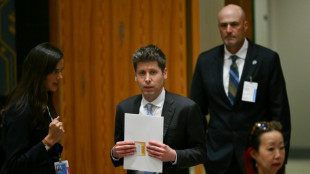
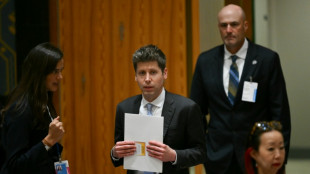 At UN, tech chiefs urge caution in AI development
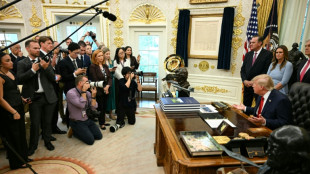
 Russian strikes kill seven in Ukraine, Zelensky vows winter campaign
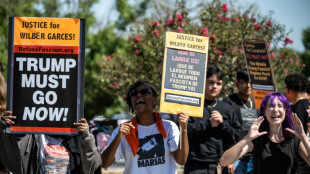 Venezuelan shot by ICE needs urgent medical care, mother tells AFP

 Zelensky says Putin using fighters from 47 countries in Ukraine war

 Klopp calls on Germany to 'rise above ourselves' as new era begins

 Russian strikes kill seven in Ukraine as Russia vows no 'pause' to war

 ArcPoint Expands Globally with Institutional Intelligence Platform for Modern Investors
 Ronaldo focussing on 'present' ahead of Wales test

 Outgoing UN chief makes final climate push at New York summit
 Grief and pain flow at hearing for Canadian suicide poison vendor

 Ireland boss Hallgrimsson says timing of Israel remarks 'not clever'
 Weinstein resentenced to 15 years in prison for 2006 sex assault
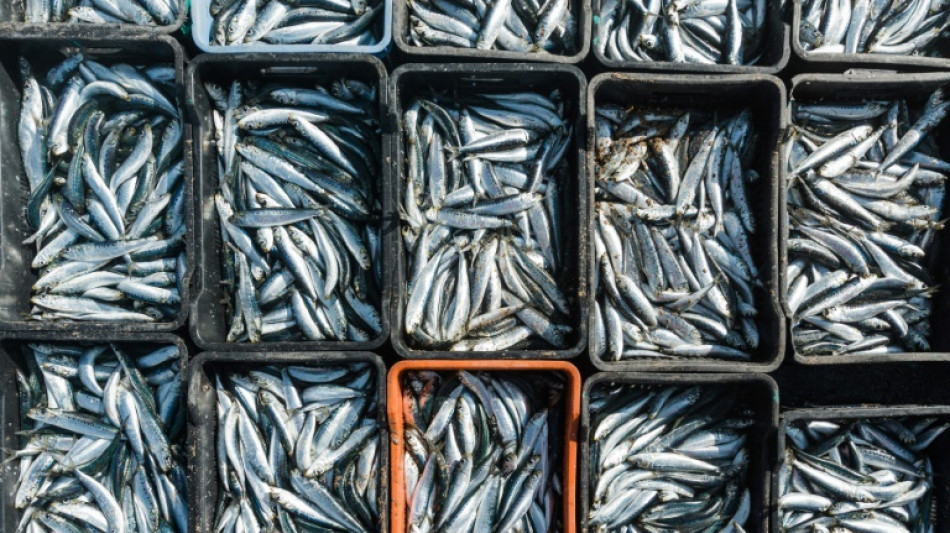
A WTO deal aimed at curbing overfishing was hailed by conservation groups as a major turning point, even if it was the result of compromises to seal the long-sought agreement.
Negotiations towards banning subsidies that encourage overfishing and threaten the sustainability of the planet's fish stocks had been going on at the World Trade Organization since 2001.
The text was watered down compared to what had originally been envisaged, but WTO chief Ngozi Okonjo-Iweala insisted it was better to get an agreement rather than keep negotiating for years to come.
The fishing agreement was part of a clutch of deals that were struck after marathon talks in Geneva to tackle food insecurity and place a waiver on Covid vaccine patents.
The deal on fishing subsidies had "environmental sustainability at its heart", Okonjo-Iweala said.
The deal, she said, targets subsidies that contribute to illegal, undeclared and unregulated fishing, and bans support to fishing in areas where fish stocks are overstretched.
The agreement, she added, marks "a first but significant step forward" towards reducing the fishery subsidies that contribute to overfishing on unregulated high seas.
Non-government organisations agreed.
"The new agreement is the product of compromise among 164 countries, so it's not perfect," said Marco Lambertini, director general of WWF International.
"But the ocean needs help now, and marine ecosystems as well as coastal communities cannot wait for a perfect solution," he said.
"What the WTO has delivered is an agreement that should be a catalyst for further subsidy and fisheries reform."
Another NGO, Bloom, called it a "first historic step for the ocean" and a "giant step for transparency."
A study co-authored by Bloom found that subsidies to the fishing sector amount to $35.4 billion worldwide in 2018, with 80 percent going to industrial-scale fishing.
Oceana, an advocacy group, dissented, saying that the WTO had not rid the world of subsidized overfishing.
"Our oceans are the big loser today," said Oceana CEO Andrew Sharpless.
"The WTO is losing its credibility. Member states are way overdue in adopting strict rules that eliminate harmful subsidies, which is the single greatest global action we can take to ensure a healthy and abundant ocean," he said.
"This meagre agreement falls demonstrably short of this target."
- 'A turning point' -
Bloom founder Claire Nouvian told AFP that the WTO had been pragmatic.
The deal bans subsidies for illegal, unreported and unregulated fishing, with a two-year exemption for developing countries within their exclusive economic zones, or 200 nautical miles.
It also prohibits subsidies linked to overfished stocks, with a two-year reprieve for poorer nations. India had threatened to block this article if it was not granted a 25-year transition period.
In addition, the text allows for subsidies if they are implemented to rebuild the fishing stock to a "biologically sustainable level".
Bloom warned that this exemption could open the door for industrial lobbies and governments to create false measures to replenish fish populations.
NGOs hailed a "transparency" clause that requires governments to report their subsidies and other data.
"This is a turning point in addressing one of the key drivers of global over-fishing," said Isabel Jarrett, who manages the campaign to reduce harmful fisheries subsidies at the Pew Charitable Trusts.
"We did not have any monitoring mechanism, we have now a framework. This is very, very important," she told AFP.
O.Lorenz--BTB