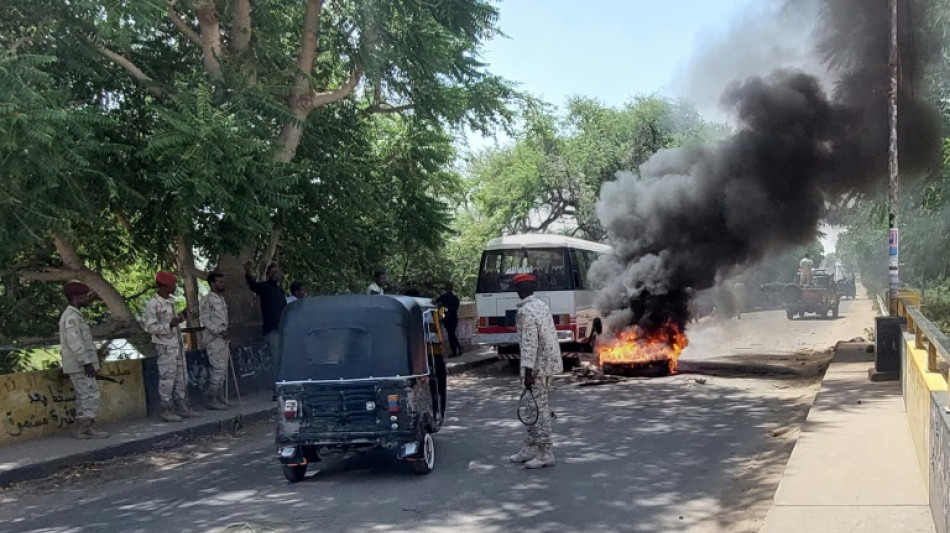
UN warns of 'alarming rise' of hunger in Sudan / Photo: © AFP/File

 Devan Ekambaram and Susha’s 'Varuvaaiy' Makes History as First Tamil Song Nominated for a Grammy

 Miranda Lambert Leads North Texans with Seven Grammy Nominations for 2027

 DiDi Advances Robotaxi Operations in China with New R2 Vehicle and Expanded Safety Infrastructure

 Smart Car Seats Tested: Do Sensors and Apps Actually Improve Safety?

 5 Strategies for Fort Worth Households to Reduce Summer Electricity Costs

 Central Bank of Malta Links Energy Subsidies to Middle East Conflict and Price Volatility

 Shomari Figures Defies Redistricting in Alabama Amid Disaster Relief Crisis

 BYD Dolphin G Leasing Deal: Plug-in Hybrid Supermini Available from £174 a Month

Political and economic turmoil have helped drive a third of Sudan's population towards life-threatening food shortages, and the situation is likely to worsen, the UN said on Thursday.
An assessment by the UN's World Food Programme showed that a record 15 million people in the country -- one-third of its population -- are currently facing "acute food insecurity," which WFP defines as "when a person's inability to consume adequate food puts their lives or livelihoods in immediate danger."
Eddie Rowe, WFP's country director, said in a statement that, "The combined effects of conflict, climate shocks, economic and political crises, rising costs and poor harvests are pushing millions of people deeper into hunger and poverty."
The WFP assessment said food insecurity has hit all of Sudan's 18 states but the most affected areas are in the Darfur region, which has seen an increase in deadly clashes among rival groups over the past few months. Hundreds have been killed there.
Economic and political turmoil in the northeast African country has been aggravated by an October military coup led by army chief Abdel Fattah al-Burhan.
Near-weekly protests since the coup led to a violent crackdown that has killed more than 100 people and wounded thousands.
Sudan is also especially vulnerable to the impact of global supply shortages in the wake of Russia's invasion of Ukraine.
WFP expects the "already alarming food security situation is likely to worsen" in Sudan by September.
"By that time, up to 40 percent of the population, or around 18 million people, may slip into food insecurity," it warned.
The organisation said that Sudan has so far been able to produce 5.1 million tonnes of cereal, "enough to cover the needs of less than two thirds of the population."
It warned that food insecurity among people "may dramatically increase to unprecedented levels and ultimately lead to more conflict and displacement" unless Sudan receives robust support with agriculture inputs.
WFP said funding levels have not matched the need and "we must act now to avoid increasing hunger levels and to save the lives of those already affected."
The October coup, Sudan's latest, triggered wide international condemnation and cuts to crucial aid by Western countries.
On June 8, UK-based aid group Save the Children said two children in Darfur reportedly died "due to hunger related causes".
K.Brown--BTB
