China calls on US to 'completely cancel' reciprocal tariffs / Photo: © AFP

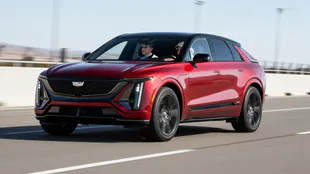 MotorTrend's Top Electric Vehicle Picks for 2026

 USC Football Eliminated from College Playoff Hopes After Loss to Indiana
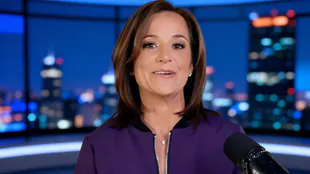 Dianna Russini Seeks Super Bowl Radio Row Credential Amid Media Return
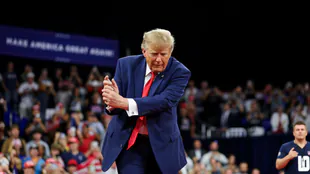
 South Africa's Universal Health Coverage Depends on Tackling Poverty and Inequality

 Chelsea Transfer News: Real Betis Star Jose Antonio Morante Rejects Move to Stamford Bridge

 TikTok Security Chief Advises SMBs on Free Cybersecurity Protections

 Egypt Revokes Citizenship of Brothers Anas and Tarek Habib Over Unapproved Foreign Nationality
China on Sunday called on the United States to "completely cancel" its reciprocal tariffs after Washington announced exemptions for consumer electronics and key chipmaking equipment.
"We urge the US to... take a big step to correct its mistakes, completely cancel the wrong practice of 'reciprocal tariffs' and return to the right path of mutual respect," a commerce ministry spokesperson said in a statement.
The world's two largest economies have been engaged in a tit-for-tat tariff war since US President Donald Trump announced this month sweeping global tariffs -- since escalating the blanket duty on Chinese goods to 145 percent.
Retaliatory Chinese import tariffs of 125 percent on US goods took effect Saturday, with Beijing standing defiant against its biggest trade partner.
But after his tariffs sent global markets into a tailspin, Trump announced a 90-day delay for most countries.
China was excluded from the reprieve.
Washington again dialled down the pressure Friday when the US Customs and Border Protection office said smartphones, laptops, memory chips and other products would be excluded from the global levies.
Beijing's commerce ministry on Sunday called the exemptions a "small step" by Washington and said that China was "evaluating the impact" of the decision.
The new exemptions will benefit US tech companies like Nvidia and Dell, as well as Apple, which makes iPhones and other premium products in China.
US Customs data suggests the exempted items account for more than 20 percent of those Chinese imports, according to senior RAND researcher Gerard DiPippo.
However, semiconductors could still become a target of industry-specific tariffs Trump has suggested placing on imports from all countries.
Trump said Saturday that he would give a "very specific" answer to the question of any future semiconductor levies on Monday.
-'Jointly resist'-
Facing steep tariffs, China has sought to present itself as a stable alternative to an erratic Washington, courting countries spooked by the global economic storm.
Trump's reciprocal tariffs have "not only failed to solve any of the United States' own problems but have seriously undermined the global economic and trade order", Beijing's commerce ministry said in the statement Sunday.
Commerce Minister Wang Wentao on Friday warned that tariffs would "inflict serious harm" on developing nations in a call with the head of the World Trade Organization.
Chinese President Xi Jinping on Monday kicks off a five-day Southeast Asia tour for talks with the leaders of Vietnam, a manufacturing powerhouse, as well as Malaysia and Cambodia.
It comes after Xi said China and Europe should "jointly resist unilateral bullying practices," state media quoted the leader as saying in a meeting with the Spanish prime minister.
China has repeatedly said it remains open to talks with the United States.
The White House says Trump remains "optimistic" about securing a deal with China, although administration officials have made it clear they expect Beijing to reach out first.
W.Huber--VB