GM leads first quarter US auto sales as tariffs loom / Photo: © GETTY IMAGES NORTH AMERICA/AFP/File

 Indiana River Otters Make Comeback After Decades of Conservation Efforts

 Shruti Haasan Reveals Kamal Haasan’s Defense of Her Film Career
 Penrith Panthers Face Backlash Over Decision to Disband Pantherettes Cheerleading Squad

 Make-A-Wish Announces 2026 Starblazer Award Honorees; Allied World Becomes First Corporate Founder

 Lee-Trump Golf Diplomacy Faces Diplomatic Dilemma Ahead of G20 Summit

 Mavericks Defeat Jazz 112-100 Behind Washington’s 26 Points and Second-Half Surge

 BingX: Major Announcement of Far-Reaching Significance

General Motors led US vehicle sales in the first quarter, according to company reports Tuesday, as the industry braces for President Donald Trump's incoming tariffs this week.
GM said its US sales jumped 17 percent in the quarter from the same period a year ago, reporting 693,363 deliveries.
Fellow major automakers Toyota, Honda, Hyundai and Kia also reported sales increases, while Ford logged a small decline.
Tariffs of 25 percent on imported vehicles and certain parts are set to kick in Thursday, and economists warn that the charges could cause average auto prices to surge by thousands of dollars over time.
Trump is also due to announce "reciprocal" levies midweek -- which could hit imports from various countries -- on a slew of other goods to address trade practices that his administration deems unfair.
The tariffs could further affect US neighbors Canada and Mexico, both key players in North American vehicle manufacturing supply chains.
"GM's sales growth outpaced every other major automaker, and the driving force is our portfolio," said Rory Harvey, GM's president of global markets.
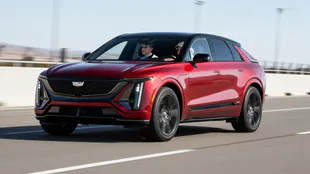
The company pointed to sales growth in its Chevrolet and Cadillac brands, with increases seen among electric vehicle models as well.
Meanwhile, Toyota Motor North America reported 0.9 percent growth in vehicle sales to 570,269 units for the quarter.
Its executive vice president Mark Templin said the company continued to "see steady sales from our Toyota and Lexus brands due in part to improved inventory levels and new models."
"We're also seeing our sales mix of electrified vehicles increasing," Templin said in a statement.
Honda's sales were up 5.3 percent from a year ago in the first quarter, those of Hyundai were up 10 percent, and Kia sales rose around 11 percent.
But US auto giant Ford reported a 1.3-percent drop in US sales -- to 501,291 vehicles -- from the same period in 2024.
The decline was mainly due to the discontinuation of certain models and the timing of rental fleet sales, the company said.
But its first quarter figures were better than a forecast by automotive research firm Edmunds.
Ford maintained in a statement that it saw "strong retail sales in March," thanks to sales of its best-selling F-Series pickup trucks and the Ranger and Maverick models.
Upcoming tariffs cast a pall over the auto industry, however, given that car parts will be targeted along with imported cars.
JPMorgan analysts recently estimated that over 80 percent of Ford's US sales are produced domestically. The corresponding figure for Honda was around 68 percent, Toyota about 57 percent and GM, 53 percent.
But many of the components going into building those cars are imported.
The American Automotive Policy Council representing the big three automakers -- Ford, GM and Jeep-maker Stellantis -- have warned that tariffs should be implemented in a way that avoids increasing costs for consumers and preserves the industry's competitiveness.
T.Suter--VB